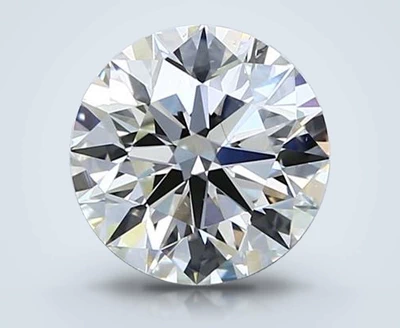
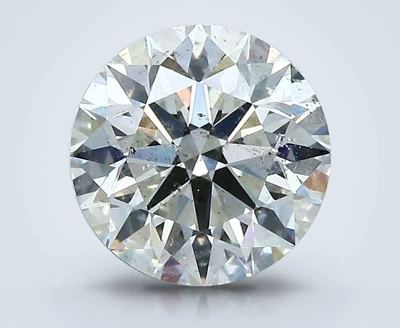
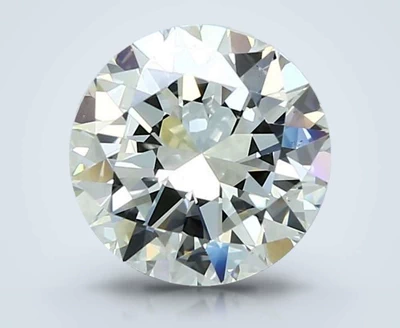
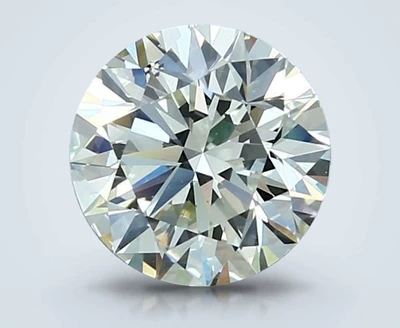
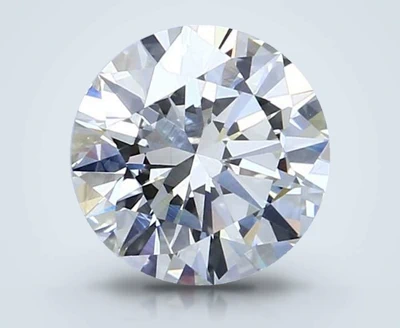
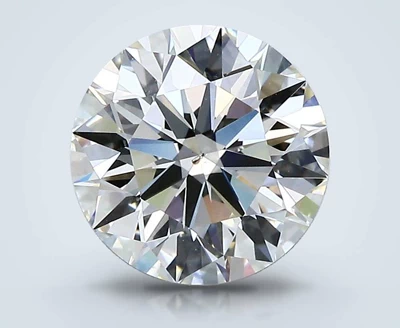
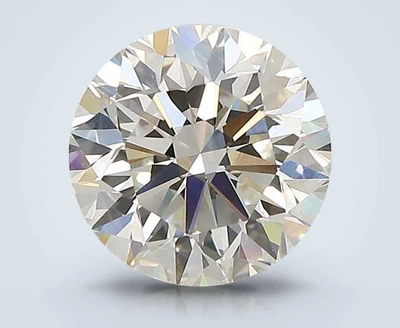
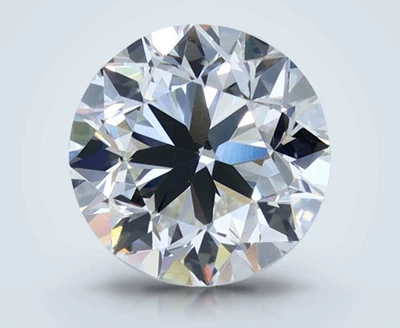
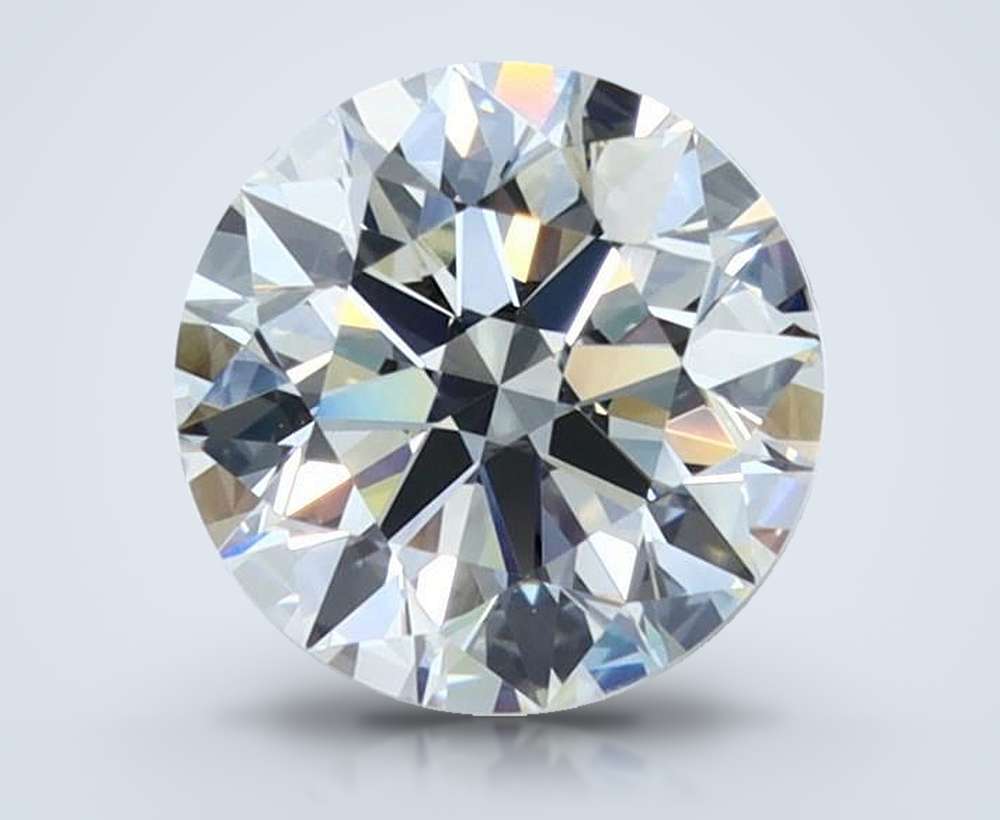
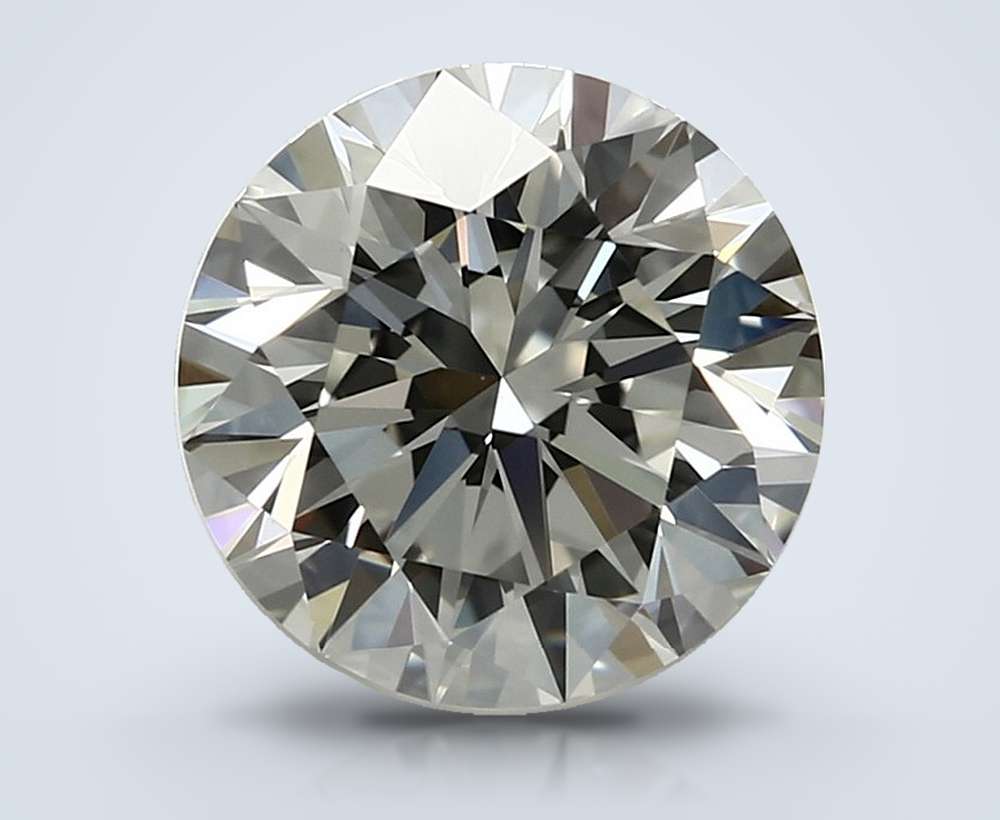
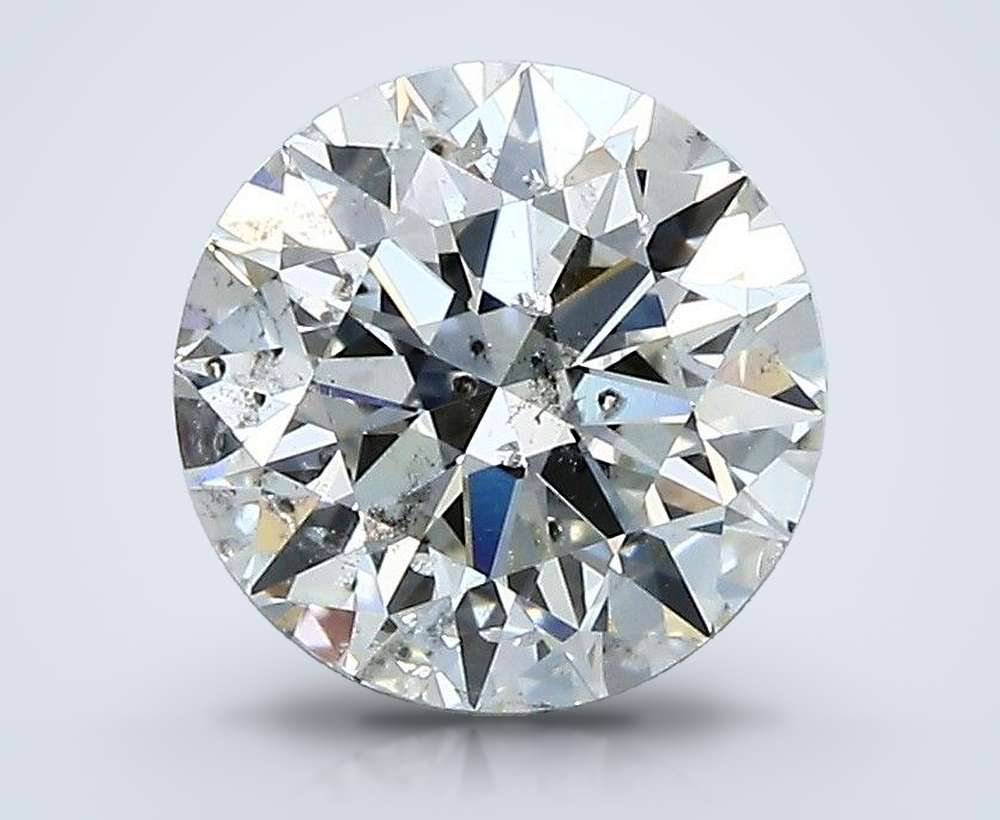
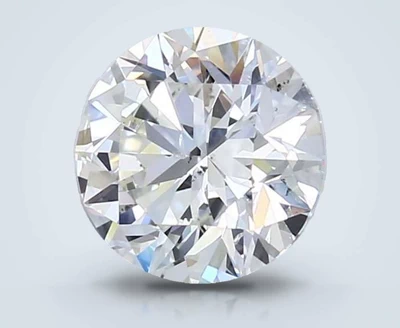
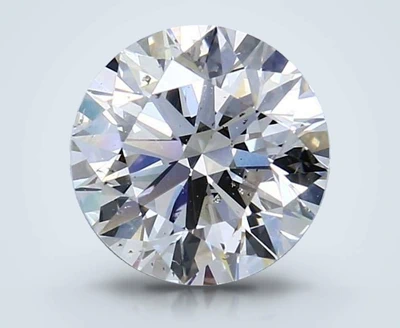
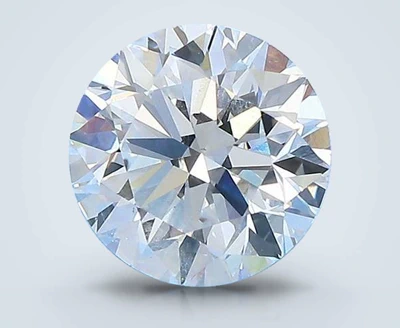
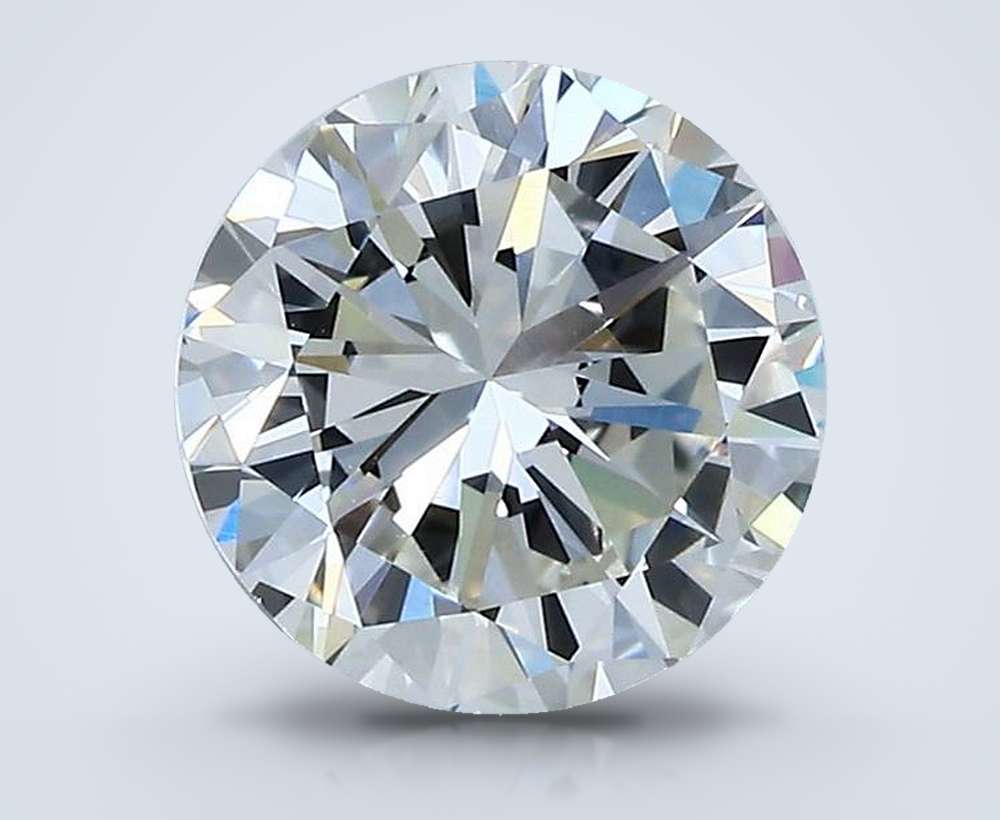
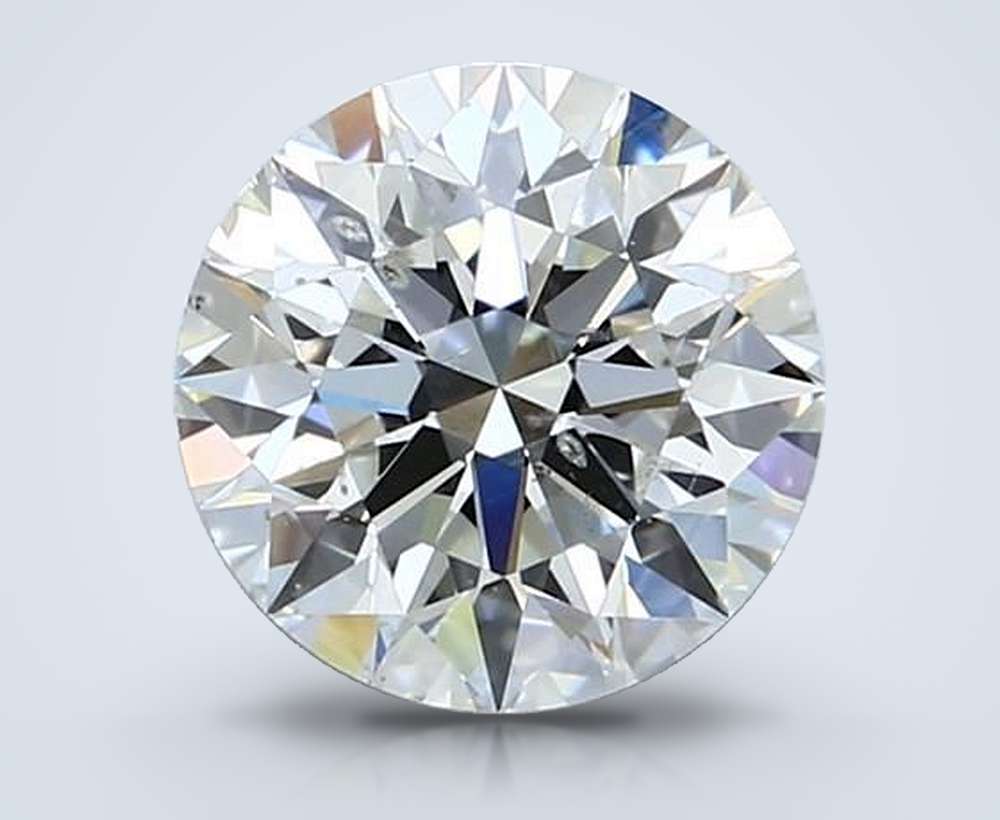
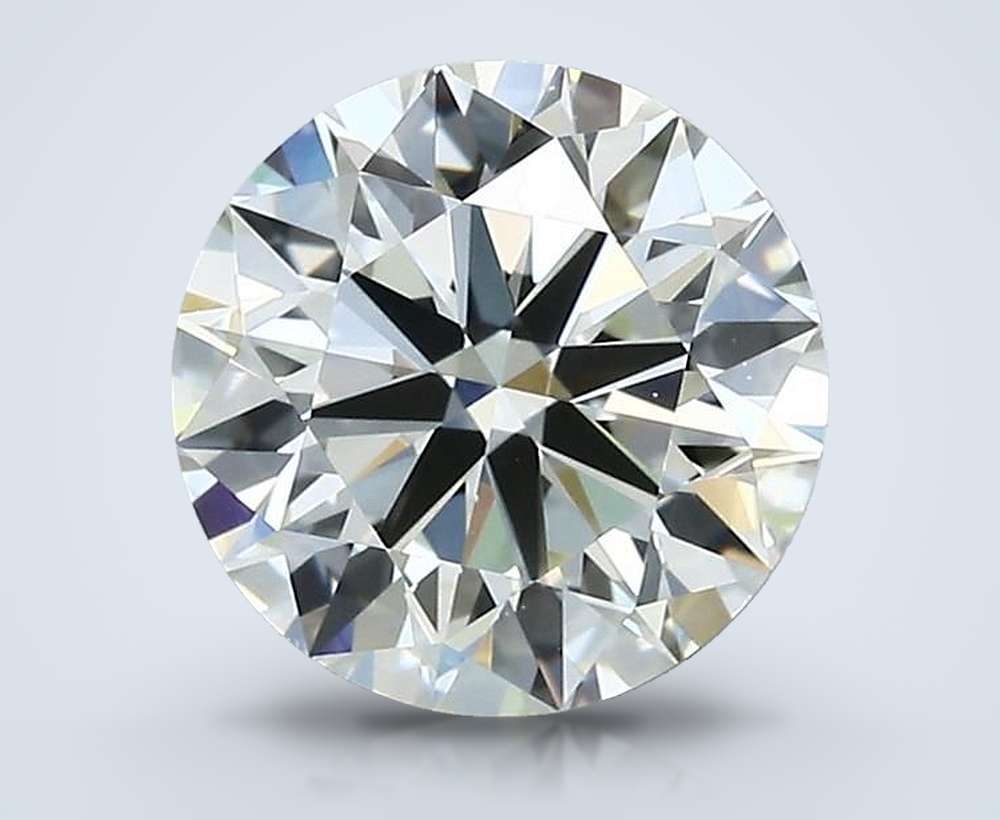
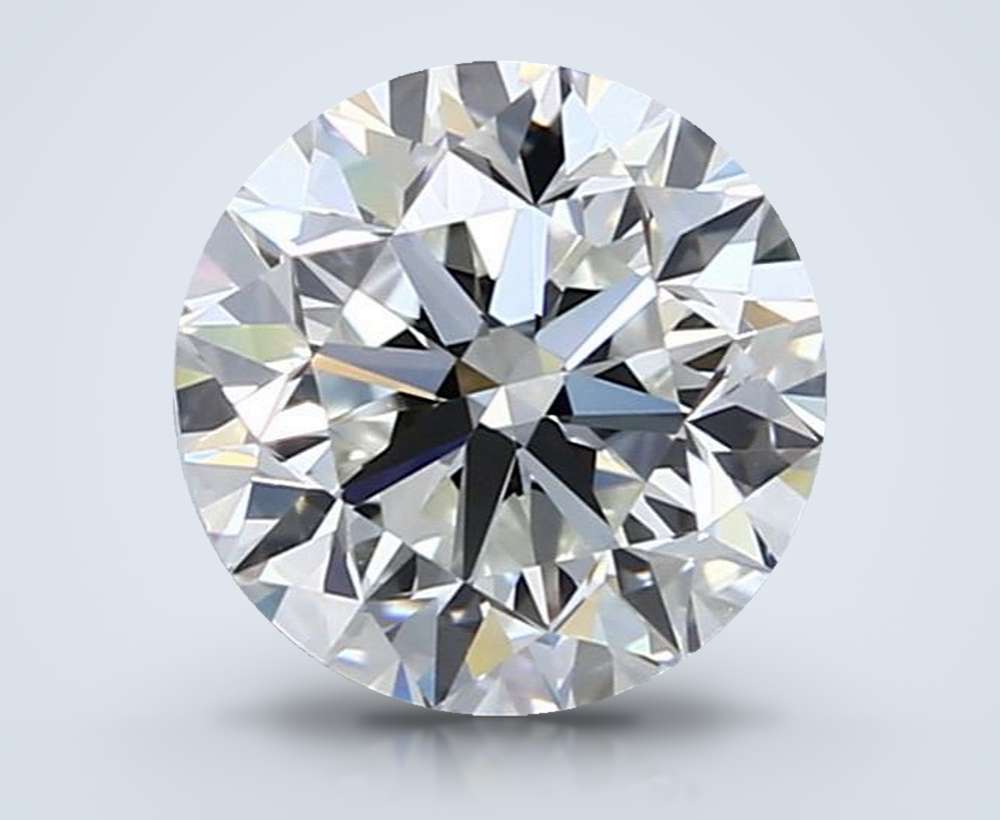
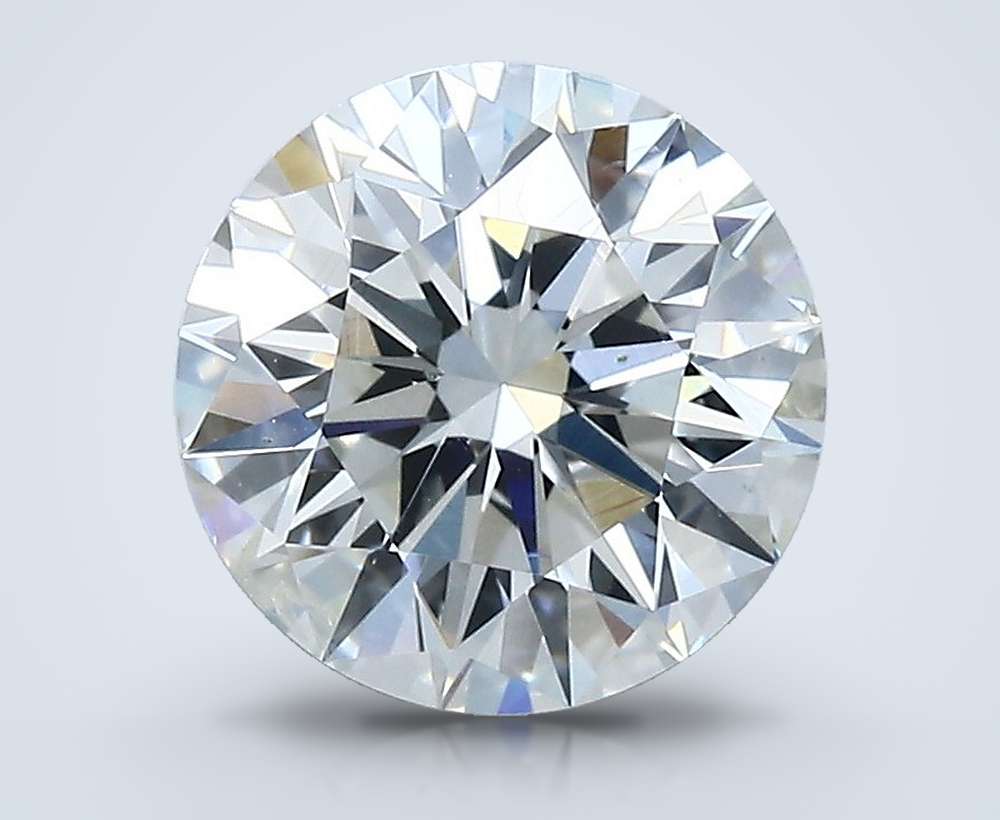
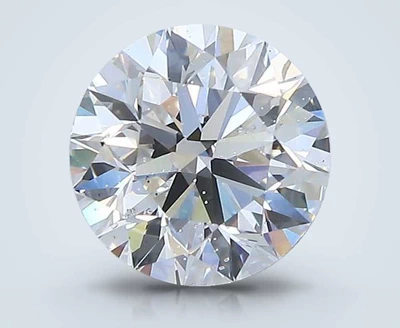
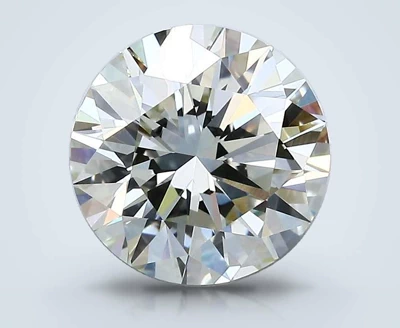
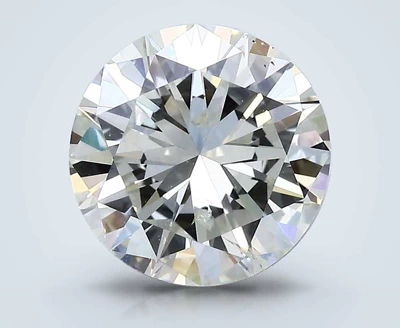
2 Carat Diamond Prices in October 2026
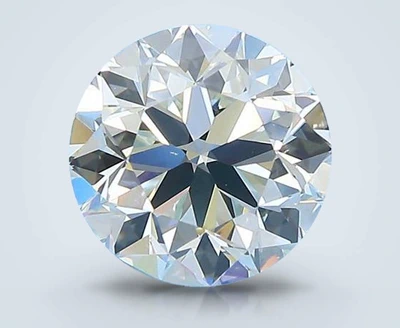
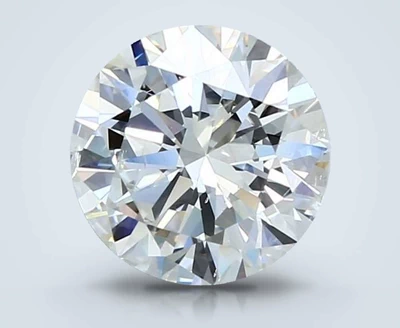
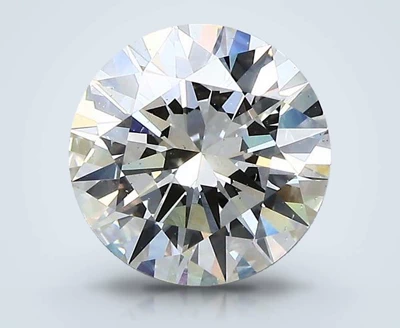
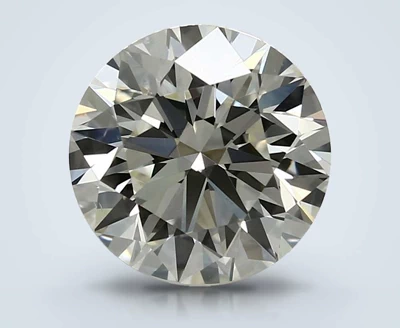
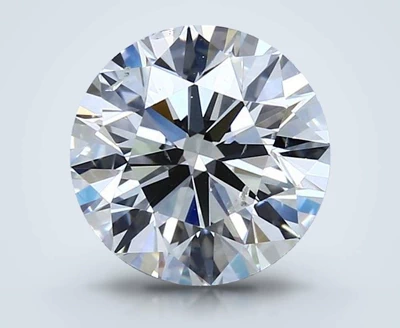
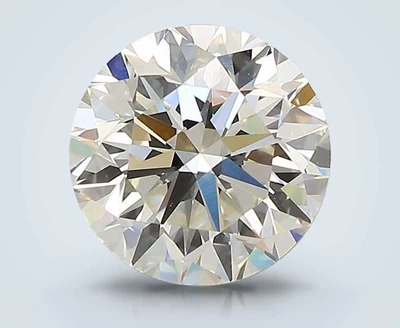
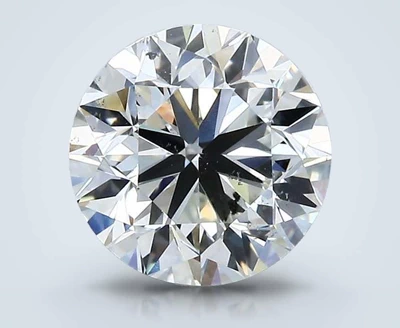
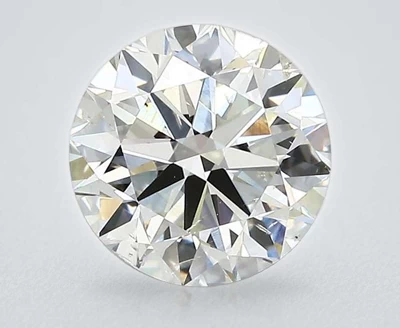
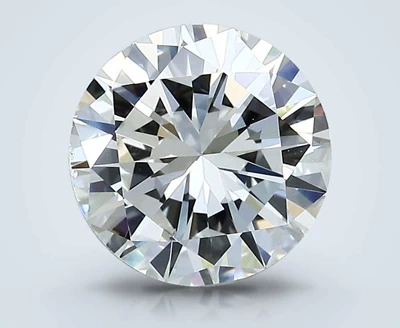
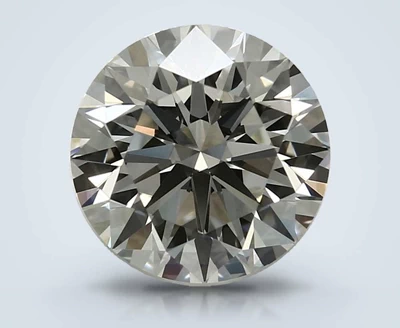
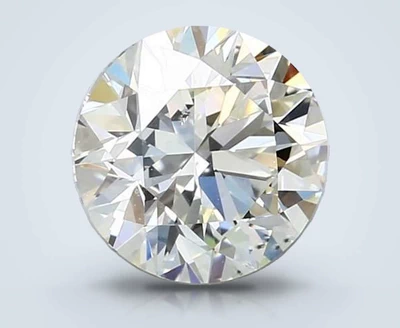
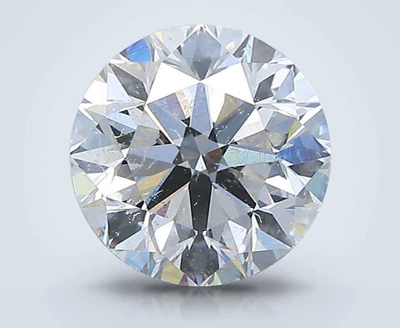
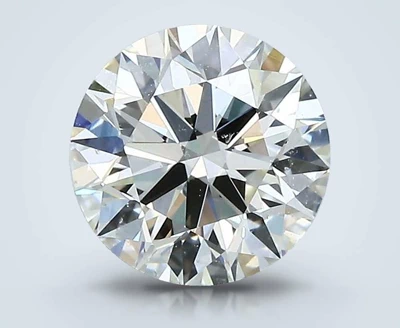
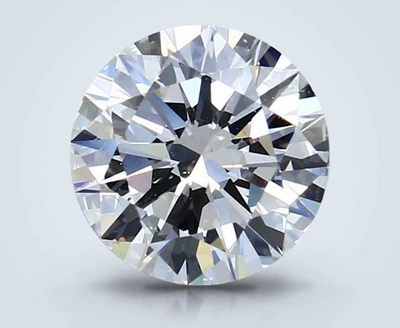
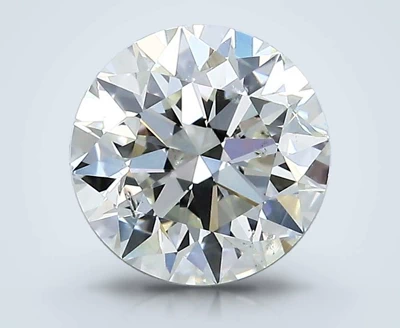
A natural 2 carat diamond at Rare Carat starts at $2,495 today, with the current savings applied, and the median is $12,406. Nine in ten sell for under $22,267, and the most expensive is $60,090. The grid above holds 168,583 diamonds between 1.90 and 2.10 carats, 17,209 of them natural and 151,374 lab grown; this guide covers the natural stones. Rounds, which are 5,908 of them, start at $3,240 and have a median of $13,432. Compare that with the one carat page, where the median natural stone is $2,390: the second carat costs more than five times the first, which is the single most important thing to know before shopping at this size.
The numbers below are a snapshot of Rare Carat inventory on October 16, 2026. Counts include every natural stone in the band, with or without video (14,468 have 360 HD video), and every count and price covers the same set the grid shows (D to K color, FL to SI2 clarity, Good cut or better). Two carat natural stock turns over quickly, so expect the exact figures to move; the relationships between grades hold.
Budget Tiers: What Different Amounts Buy at 2 Carats
It helps to think in tiers rather than grades. Around $4,625 to $6,220 buys a G or H color round in SI2 or SI1 clarity, the entry point for a two carat solitaire that reads white and may show a small inclusion to a careful eye. Around $7,265 to $18,600 buys the same color in VS1 or VS2, clean to the naked eye, which is where most two carat engagement rings land. Past $12,135 you are into D to F color with VS clarity, and past $21,042 into the colorless VVS stones that are bought for the certificate as much as the look. Every tier is on the grid above; the filters on the left reproduce each one in two clicks.
Price by color, rounds with VS2 clarity, 1.90 to 2.10 ct (1,073 stones)
| Color | Starts at | Median | In stock |
|---|
| D | $12,135 | $21,042 | 93 |
| E | $11,770 | $20,672 | 82 |
| F | $11,595 | $18,132 | 116 |
| G | $10,140 | $18,600 | 173 |
| H | $8,585 | $15,808 | 226 |
| I | $6,765 | $12,120 | 176 |
| J | $5,405 | $8,984 | 124 |
| K | $4,375 | $7,213 | 83 |
| All D to K | $4,375 | | 1,073 |
Read down that table and the pattern is plain: in natural stones at two carats, every color grade is paid for, and the biggest steps sit between J and G rather than at the top of the scale. H color VS2 opens at $8,585 and D color VS2 at $12,135, a difference of $3,550 for two stones that look identical in a yellow gold setting and nearly identical in white. The H color guide shows the comparison under daylight.
Clarity Shows at 2 Carats
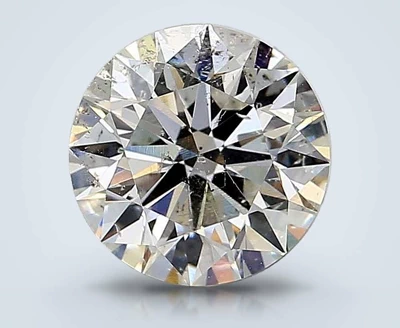
An inclusion that disappears in a one carat stone can be visible in a two carat one, because the facets are larger and the eye has more room to find it. In G to H color rounds, SI2 starts at $4,625, SI1 at $6,220, VS1 at $7,265 and VVS2 at $8,090. VS1 and VS2 overlap in price this week ($7,265 against $8,585), which happens when a few well priced VS1 stones land at once; when it does, take the VS1. Our advice for a natural 2 carat diamond is VS2 as the floor, SI1 only after you have watched the 360 video and found the inclusion yourself, and SI2 only if it is a bargain and the inclusion sits under a prong. The SI1 clarity guide explains what to look for.
Starting price by clarity, G to H color rounds, 1.90 to 2.10 ct (1,923 stones)
| Clarity | Starts at | In stock | Our read at two carats |
|---|
| SI2 | $4,625 | 470 | Only with the inclusion located and hidden |
| SI1 | $6,220 | 364 | Often eye clean, check the video |
| VS2 | $8,585 | 399 | The sensible floor |
| VS1 | $7,265 | 256 | Eye clean from every angle |
| VVS2 | $8,090 | 191 | Clean under a loupe |
| VVS1 | $9,600 | 185 | Certificate grade |
| IF | $10,180 | 58 | Certificate grade, scarce |
| All G to H rounds | $4,625 | 1,923 | |
Shape, Spread and Price at Two Carats
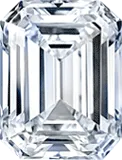
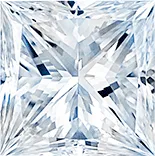
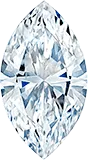
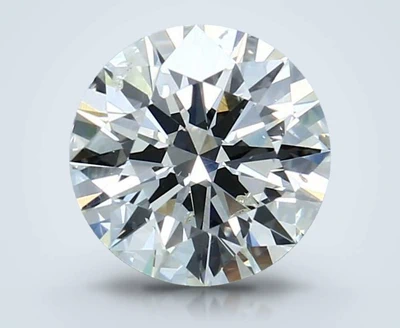
A 2 carat round measures about 8.1 mm across; a 2 carat oval about 10 by 7.5 mm; a pear 11 by 7 mm; an emerald cut 8.5 by 6.5 mm. Cushions are the second most stocked shape here (2,375 stones) and one of the best values, with a median of $11,676 against $13,432 for a round. Princess cuts and hearts carry the lowest medians of all. The ten rows add up to the 17,209 natural stones on this page.
1.90 to 2.10 ct natural, every stone the grid shows (D to K color, SI2 or better clarity, Good cut or better), prices you pay today
| Shape | Starts at | Median price | Typical face-up size | In stock |
|---|
| Round | $3,240 | $13,432 | 8.1 mm | 5,908 |
| Cushion | $2,690 | $11,676 | 7.5 x 7 mm | 2,375 |
| Oval | $2,495 | $13,491 | 10 x 7.5 mm | 2,196 |
| Emerald | $3,135 | $12,060 | 8.5 x 6.5 mm | 1,658 |
| Pear | $2,725 | $11,338 | 11 x 7 mm | 1,370 |
| Radiant | $3,845 | $12,416 | 8 x 6.5 mm | 964 |
| Heart | $2,925 | $9,447 | 8.5 x 8 mm | 885 |
| Princess | $3,725 | $9,321 | 7 mm square | 717 |
| Asscher | $3,215 | $9,820 | 7 mm square | 494 |
| Marquise | $4,050 | $15,839 | 13 x 6.5 mm | 642 |
| All shapes | $2,495 | $12,406 | | 17,209 |
The Price of the Second Carat
The two carat mark is a hard step in natural pricing. G to H color rounds in VS2 to SI1 clarity have a median of $11,963 between 1.90 and 1.99 carats and $15,494 between 2.00 and 2.10 carats, and start at $7,495 just under the mark against $6,220 just over it; entry prices can cross like this because the cheapest stone in each band is the one with faint fluorescence or a lower cut grade. A 1.90 carat stone is 0.1 mm narrower than a 2.00 carat stone and several thousand dollars cheaper at the median, which makes it the smartest compromise on this page for anyone who does not need the number. Above two carats, 2.11 to 2.29 carats opens at $9,670, and our 2.5 carat diamonds start at $11,805 for the same grade.
Natural diamonds by carat band, all shapes: the first two rows are the 17,209 natural stones on this page
| Carat band | Starts at | Median | In stock |
|---|
| 1.90 to 1.99 ct | $2,970 | $10,924 | 1,182 |
| 2.00 to 2.10 ct | $2,495 | $12,507 | 16,027 |
| 2.11 to 2.29 ct | $3,630 | $15,968 | 2,185 |
| 2.50 to 2.59 ct | $3,820 | $20,922 | 4,021 |
Natural vs Lab Grown at Two Carats
If the budget for a natural two carat stone is a stretch, the lab grown market at this size is where the gap is widest. A natural G color VS1 round starts at $8,640 here with a median of $17,340; the lab grown stone of the same grade starts at $945. The median natural two carat stone across all shapes is $12,406 and the median lab grown one is $1,574. The natural stone carries scarcity and a GIA report; the lab stone carries the size. Both are inspected by the same New York staff and sold on the same terms. Our 2 carat lab grown diamonds page has the full breakdown.
How Rare Carat Handles a 2 Carat Order
14,562 of the 17,209 two carat natural diamonds here are GIA graded, with 2,647 graded by IGI, and the report number on each is laser inscribed on the girdle. After you order, the diamond goes to our New York facility, where staff examine it under a microscope and confirm the inscription matches the report before it ships; at this price, that step matters. Every stone shows an AI price score against similar diamonds in stock and a quality score out of 18, and the Rare Carat Ideal filter limits results to the cut proportions that return the most light, the one grade that shows from across a room in a two carat stone. Our gemologists will compare finalists with you by chat or phone and earn no commission on your choice.
Rare Carat stands as the merchant of record on every order, with more than 2 million natural and lab grown diamonds in stock. Every order ships free and insured, can be returned free within 30 days, includes a free resize in the first year, and the ring carries a lifetime manufacturing warranty. If you would rather spread the cost, Affirm, Klarna, Afterpay, PayPal Pay Later and Katapult are all offered at checkout. On both Google and Trustpilot the rating is 5 out of 5, and Trustpilot places Rare Carat first among jewelry brands in America. For settings that suit this weight, read the 2 carat solitaire ring guide, and for the sizes either side see 1 carat diamonds and 3 carat diamonds.
Counts and prices cover every natural diamond between 1.90 and 2.10 carats in Rare Carat inventory on October 16, 2026 that the grid on this page shows: all shapes, D to K color, FL to SI2 clarity, Good cut or better, GIA, IGI or GCAL graded, with or without video (17,209 stones, 14,468 with 360 HD video). Every price is today's price with the current savings applied; the regular price appears struck through on the stone. A starting price is the cheapest stone in that group on the day. The grid total of 168,583 adds the 151,374 lab grown stones in the same band. Lab grown and one carat comparisons use the same day and basis. Millimeter sizes are typical of well cut stones; deep or shallow stones measure differently.