Best Places to Buy Affordable Engagement Rings in 2026
A comprehensive guide to why Rare Carat is the best place to buy an affordable engagement ring without cutting corners
- Rare Carat offers 2M+ certified diamonds with prices 20-50% below traditional retail.
- Lab-grown diamonds cost 60-80% less than natural stones, so a smaller budget still buys real size and sparkle.
- 2,300+ ring settings across 7 metal options create roughly 16,100 possible style-and-metal combinations at every price point.
- Free guidance from 100+ GIA-trained gemologists helps buyers spend on what actually shows and skip what doesn't.
- Free insured shipping, 30-day returns, a lifetime warranty, and free resizing protect the purchase either way.
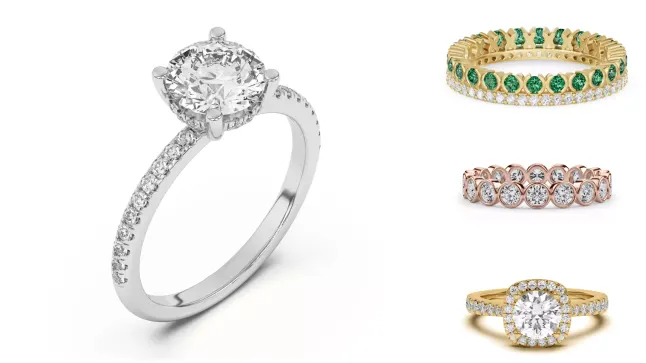
An engagement ring should feel like a milestone, not a strain on your budget. But walk into most jewelry stores, and the price tags seem built for a different budget than the one most couples actually have.
That gap between what a ring should cost and what it's marked up to is exactly why so many buyers start looking online.
The good news: affordable doesn't have to mean smaller, duller, or lower quality. It usually just means cutting out the parts of the price tag that never had anything to do with the diamond itself, like retail overhead, showroom staff, and brand markup.
That's where Rare Carat, one of the best places to buy affordable engagement rings, tends to change the math. Not by lowering standards, but by removing the costs that were never tied to quality in the first place.
Here's how that actually plays out when you're shopping on a real budget.
What to Look for When Buying an Affordable Engagement Ring Online
| Key Factor | What It Means for You | How Rare Carat Delivers |
|---|---|---|
| Price Transparency | Knowing exactly what you're paying for, with no hidden markup | Detailed listings with certification data and prices 20-50% below typical retail |
| Direct-to-Consumer Retail Model | No third party marking up your order behind the scenes | Rare Carat is the merchant of record on every order, handling sourcing, sales, and support in-house |
| Lab-Grown Diamond Access | A way to get more size and clarity for the same spend | Full lab-grown inventory alongside natural, switchable instantly |
| Setting Variety at Every Budget | Style options that don't disappear once you set a lower price filter | 2,300+ settings across solitaire, halo, pavé, and more, in 7 metal options |
| Financing Options | Flexibility to spread the cost instead of paying it all upfront | Financing options available at checkout |
| Certification & Verification | Confidence that a lower price doesn't mean lower quality | Only GIA, IGI, and GCAL certified diamonds, reviewed through a two-step internal check |
| Search & Filtering | Ability to set a hard budget and still see real options | Filters for cut, color, clarity, carat, shape, and price |
| Expert Guidance | Someone to tell you where your money actually matters | Free access to 100+ GIA-trained gemologists |
| Customer Policies | Peace of mind on a purchase this size | Free 30-day returns, insured shipping, lifetime warranty |
With that framework in mind, here's a closer look at how Rare Carat actually delivers on each piece.
1. Lab-Grown vs. Natural: The Biggest Lever for an Affordable Ring
If there's one decision that moves the budget needle more than any other, it's this one.
Lab-grown and natural diamonds are chemically, physically, and visually identical.
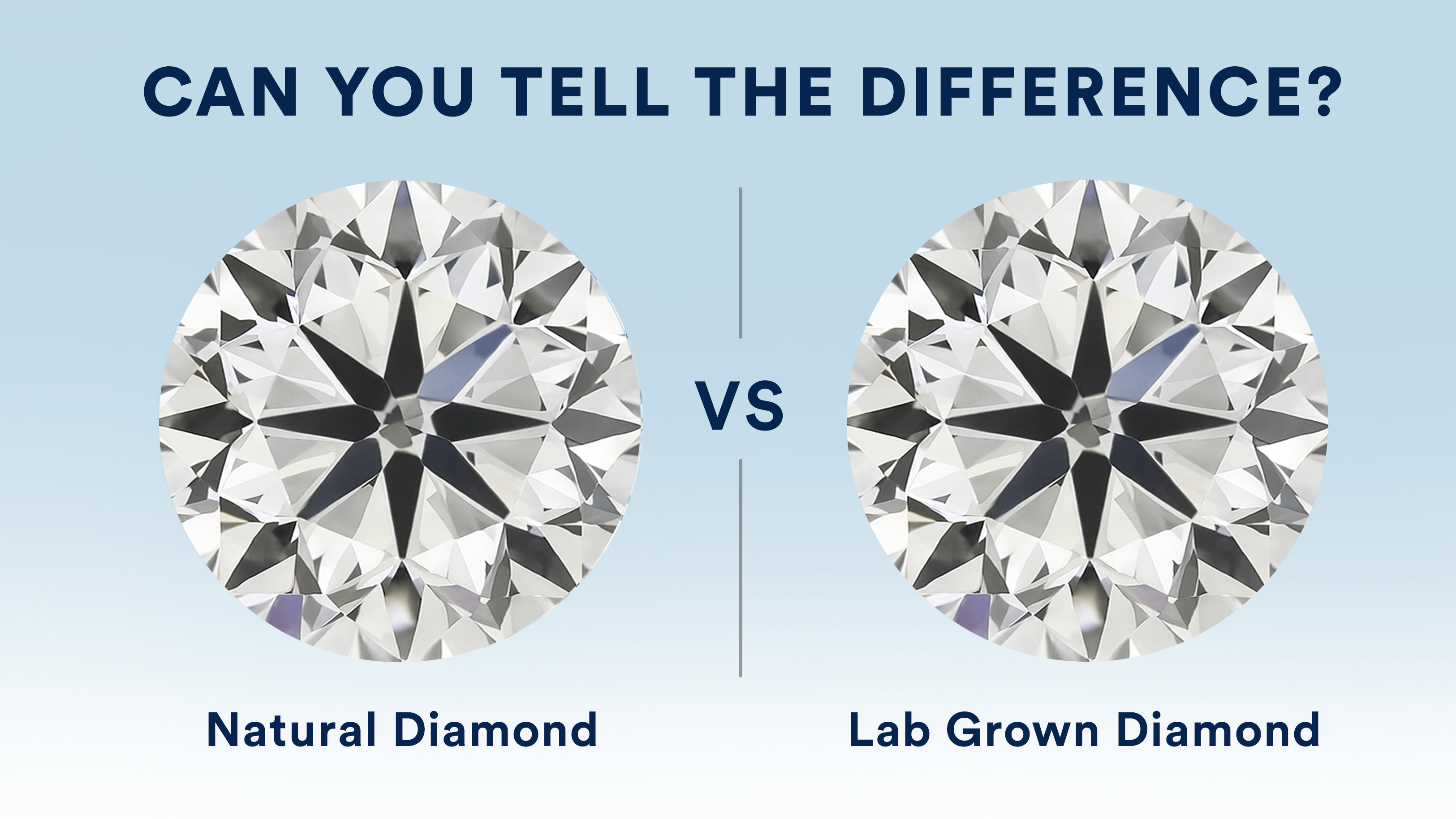
The difference is how they form: natural diamonds take billions of years underground, while lab-grown diamonds are created in controlled environments in a fraction of that time.
That difference in formation is also the reason lab-grown diamonds typically run 60-80% less than a comparable natural stone.
Here's what that looks like at commonly chosen engagement ring specs (G color, VS clarity, excellent cut):
| Carat Size | Lab-Grown Diamond (Approx.) | Natural Diamond (Approx.) |
|---|---|---|
| 0.50 Carat | $400 - $800 | $1,500 - $3,000 |
| 1.00 Carat | $800 - $1,500 | $3,000 - $6,000 |
| 1.50 Carat | $1,200 - $2,500 | $5,000 - $10,000 |
| 2.00 Carat | $2,000 - $4,000 | $8,000 - $18,000+ |
Note: Ranges reflect general market pricing for comparable quality diamonds as of August 2026. Actual pricing varies by exact grading, shape, and market conditions.
For a buyer working with a fixed budget, that gap usually means one of two things: a noticeably larger stone for the same money, or the same size stone with a lot more left over for the setting.
Neither choice is wrong. Some buyers still prefer a natural diamond for what it represents. Others go lab-grown purely for the value it unlocks. What actually matters is being able to compare both without friction.
On Rare Carat, both natural and lab-grown are there from the very start, so the choice isn't buried a few steps into the process. You can personalize your shopping journey from the get-go and switch between the two anytime with ease.
The same flexibility carries into how you build the ring itself.
Some buyers prefer to start with the stone and choose a setting around it. Others prefer to start with a setting they love and pick a diamond to match. Rare Carat lets you build a ring completely from scratch, starting wherever feels natural to you.
2. Certification Matters, But So Does What Happens After
When you start narrowing down diamonds for your engagement ring, the grading report is usually the first real checkpoint.
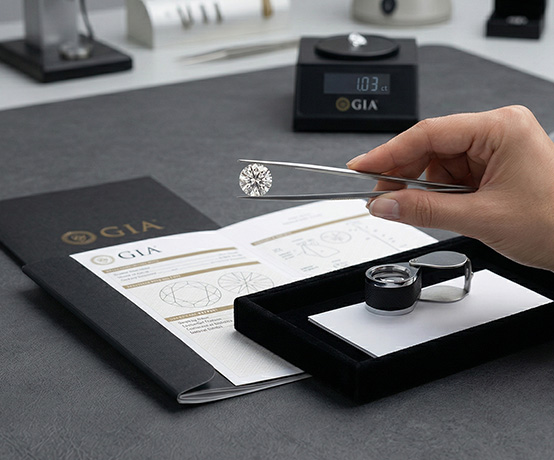
It tells you the basics, cut, color, clarity, and carat, or the 4Cs, and more importantly, confirms the diamond has been evaluated by a recognized lab.
Every diamond at Rare Carat, whether natural or lab-grown, comes certified by a leading lab like GIA, IGI, or GCAL. That holds true across every budget tier, so a smaller spend never means a lower verification standard. The reports are available as you browse, so comparing options starts from a clear baseline.
But that's only part of the picture.
Because even with certification in place, there's still a practical question. Does the diamond actually match what the report says?
That's where the next layer comes in.
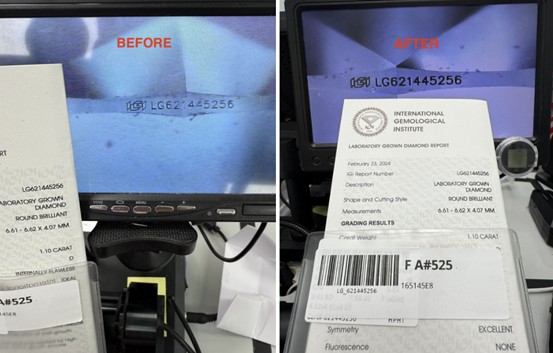
Before a diamond ever reaches a Rare Carat customer, it goes through a two-step verification process.
First, an expert checks the laser inscription on the stone against its grading report, under magnification, usually somewhere between 60x and 110x. That step confirms the diamond in hand is actually the one the certificate describes.
If anything feels off at this stage, the diamond doesn't move forward. It gets corrected and only then made available on the site.
Then there's a second check that goes beyond what the report covers. Using tools like UV fluorescence testing and equipment such as the Yehuda machine, the diamond gets evaluated for things standard grading doesn't always capture.
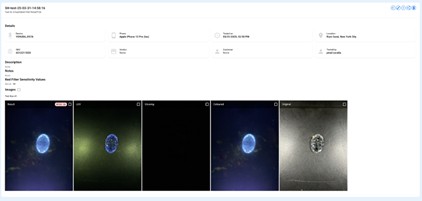
These checks catch the small details that can end up mattering once the diamond is actually set and worn.
Put together, this approach does more than confirm a diamond is certified. It helps make sure the diamond holds up to that certification in real conditions, which matters just as much on a tighter budget as it does on a larger one.
Once that part feels clear, the rest of the decision gets a lot easier.
3. Advanced Filters to Find an Engagement Ring That Fits Your Budget First
Most engagement ring shopping starts with style. For a budget-conscious buyer, it usually has to start with price.
Rare Carat's search lets you set a price ceiling first, then filter everything else around it, instead of falling for a ring you can't actually afford and working backward.
The core filters work together:
Price: Set a real number early. Every other filter narrows down from there.
Shape: Round tends to hold value best per carat. Oval, pear, and marquise shapes can also look larger than their actual weight.
Cut: This affects how a diamond actually looks more than color or clarity does, and it's often the cheaper thing to prioritize.
Color: Near-colorless grades, usually G through I, look white to the eye and cost a lot less than a top color grade.
Clarity: Eye-clean grades, often SI1 and up, look free of inclusions to the naked eye and skip the price jump of a flawless stone.
Carat: Dropping slightly, say 0.90 instead of a full carat, can lower the price meaningfully without anyone noticing the difference.
None of these filters exist in isolation. Setting a budget first and adjusting the 4Cs around it, rather than the other way around, is usually what keeps a ring both affordable and good-looking.
4. Customizing Your Ring Without the Premium Price Tag
A lower budget doesn't mean settling for fewer choices. It just means being a bit more deliberate about where the money goes.
- By Diamond Shape
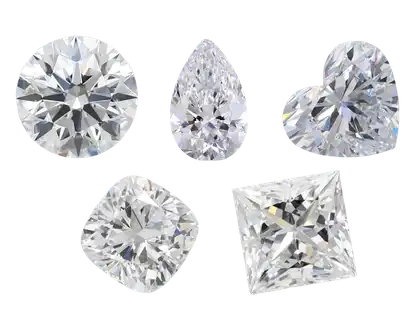
Round diamonds hold the most value at resale but often cost more per carat than fancy shapes. Oval, pear, and cushion cuts tend to look bigger for the same carat weight, and they're usually cheaper to source, which makes them a common pick when stretching a budget.
Some of the most commonly chosen diamond shapes for engagement rings include:
- Round Diamonds
- Oval Diamonds
- Cushion Diamonds
- Emerald Diamonds
- Princess Diamonds
- Radiant Diamonds
- Pear Diamonds
- Marquise Diamonds
- Asscher Diamonds
- Heart-Shaped Diamonds
- By Setting Style
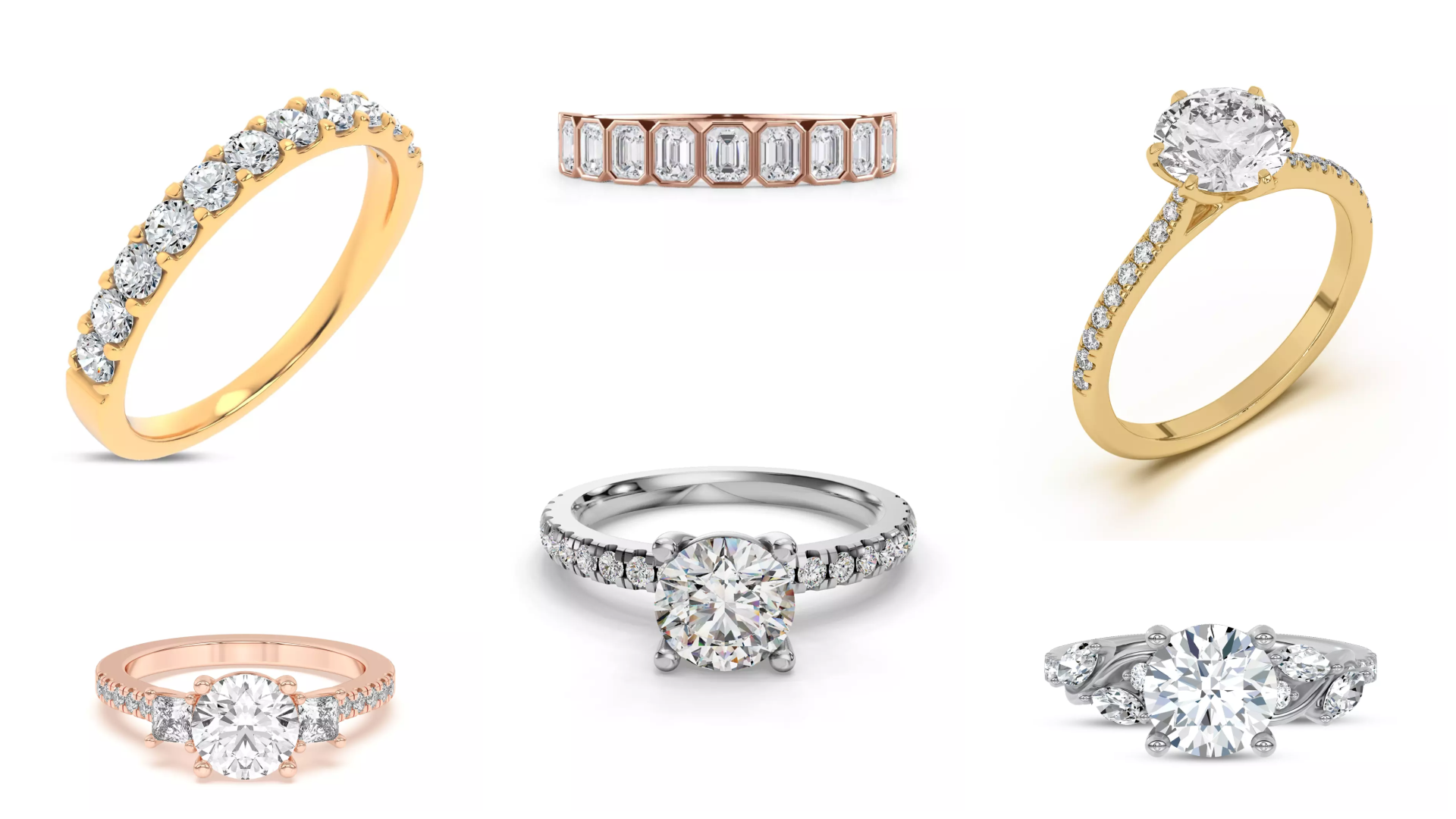
A solitaire keeps the entire budget on the diamond itself, since there's no extra stone weight built into the band. Pavé and halo settings can make a smaller center stone look more substantial, surrounding it with smaller accent diamonds, often for less than it would cost to upgrade the center stone.
| Setting Style | Budget Impact |
|---|---|
| Solitaire | Lowest setting cost, all budget goes to the center stone |
| Halo | Makes a smaller center stone appear larger for modest added cost |
| Pavé | Adds sparkle along the band without a major cost increase |
| Three-Stone | Higher total diamond weight, better suited to flexible budgets |
| Hidden Halo | Subtle upgrade in perceived size, moderate added cost |
- By Metal
14K gold costs less than 18K gold or platinum without any difference in durability for everyday wear. White gold and platinum look similar at a glance, but platinum typically carries a higher price due to material cost and density.
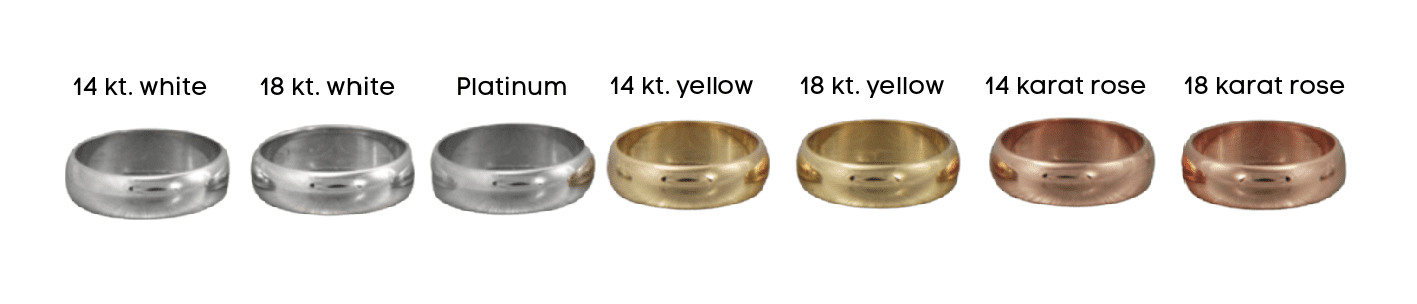
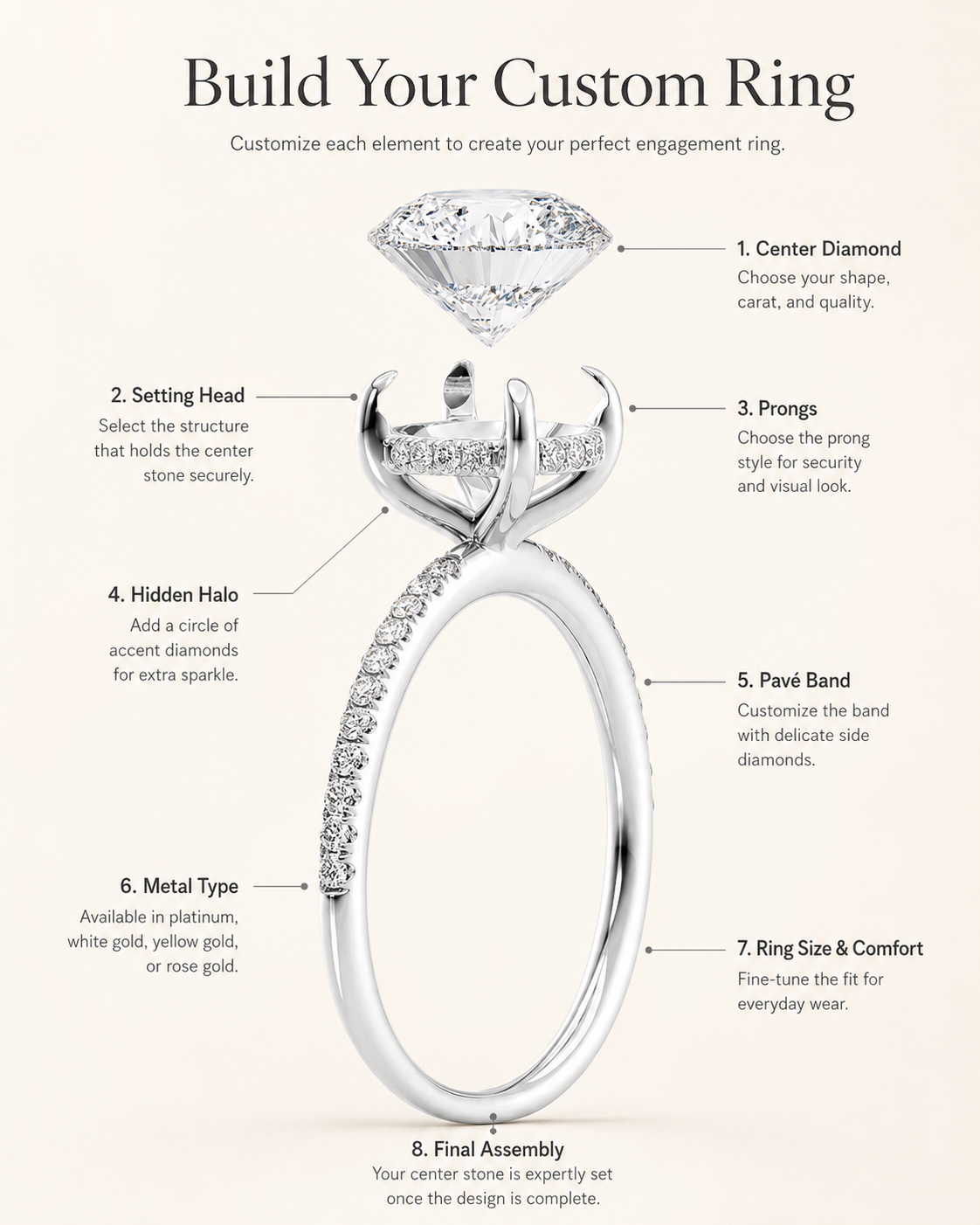
Rare Carat currently offers 2,300+ unique engagement ring setting styles across 7 metal configurations, which works out to roughly 16,100 possible style-and-metal combinations. That's not 16,100 separate designs, it's the number of ways a setting and a metal can be paired together. Even on a tighter budget, that scale means the catalog doesn't shrink down to a handful of generic options.
- Three Ways to Customize a Setting
However you shop, there are three levels of customization available, and each has a different impact on cost.
The first is choosing an existing Rare Carat design as-is. You pick the setting, the diamond, and the metal, and the design itself stays untouched. This is the most budget-friendly route, since there's no added labor for custom work.
The second is modifying an existing design. Small changes, like adjusting the band width or switching the prong style, cost more than buying a design as-is, but usually far less than starting from scratch.
The third is a fully custom setting, built from a concept or image you provide. This gives you a one-of-a-kind piece, but it comes with the highest cost of the three, since it involves original design work from the ground up.
Knowing which of these three levels a budget can comfortably support is often the fastest way to narrow down the options.
5. Real-Time Guidance from GIA-Trained Gemologists to Stretch Your Budget
Budget shopping usually comes with a specific kind of anxiety: not knowing which corner is safe to cut.
Rare Carat gives buyers free access to 100+ GIA-trained gemologists who can answer that directly. Is a slightly lower color grade actually noticeable once the diamond is set? Is a bigger lab-grown stone a better trade than a smaller natural one at the same price?
These aren't sales conversations. They're the kind of second opinion that keeps a budget-conscious buyer from either overspending on something invisible or underspending on something that matters.
6. Financing Options That Spread the Cost Out
For a lot of buyers, "affordable" isn't just about the sticker price. It's about how that cost is structured.
Rare Carat offers financing options that spread the cost of a ring out over time instead of asking for it all upfront. For a lot of couples, that changes what "affordable" even means, turning one big payment into something that fits a lot more comfortably into a monthly budget.
7. Popular Affordable Engagement Ring Styles to Consider
Certain styles consistently deliver more visual impact per dollar than others. A quick way to think about it:
| Ring Style | Why It Works on a Budget |
|---|---|
| Solitaire | No added stone weight in the band, all cost goes to the center diamond |
| Halo | Makes a smaller center stone look larger without upgrading carat weight |
| Pavé | Adds shimmer for a modest cost increase over a plain band |
| Bezel | Protects a smaller stone while giving it a clean, modern look |
| Vintage-Inspired | Detailed metalwork can add perceived value without a bigger diamond |
With that in mind, here are a few of our best-selling affordable engagement rings worth taking a closer look at:
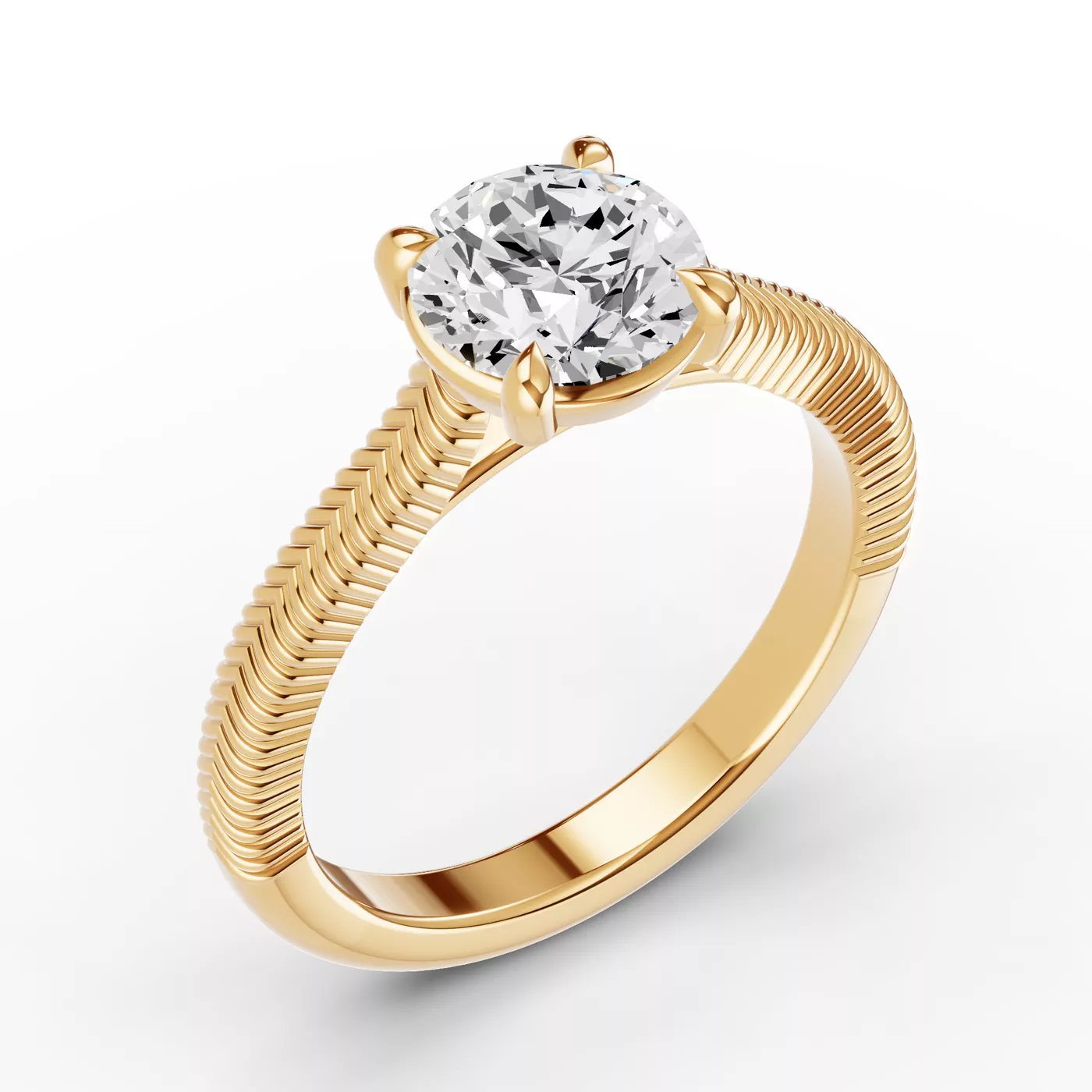
- Aveline Cathedral Engagement Ring
A sculpted cathedral setting paired with a softly fluted band, lifting a round solitaire into a refined, vintage-inspired silhouette with quiet elegance. Available in 14K yellow gold, with a matching band offered separately.
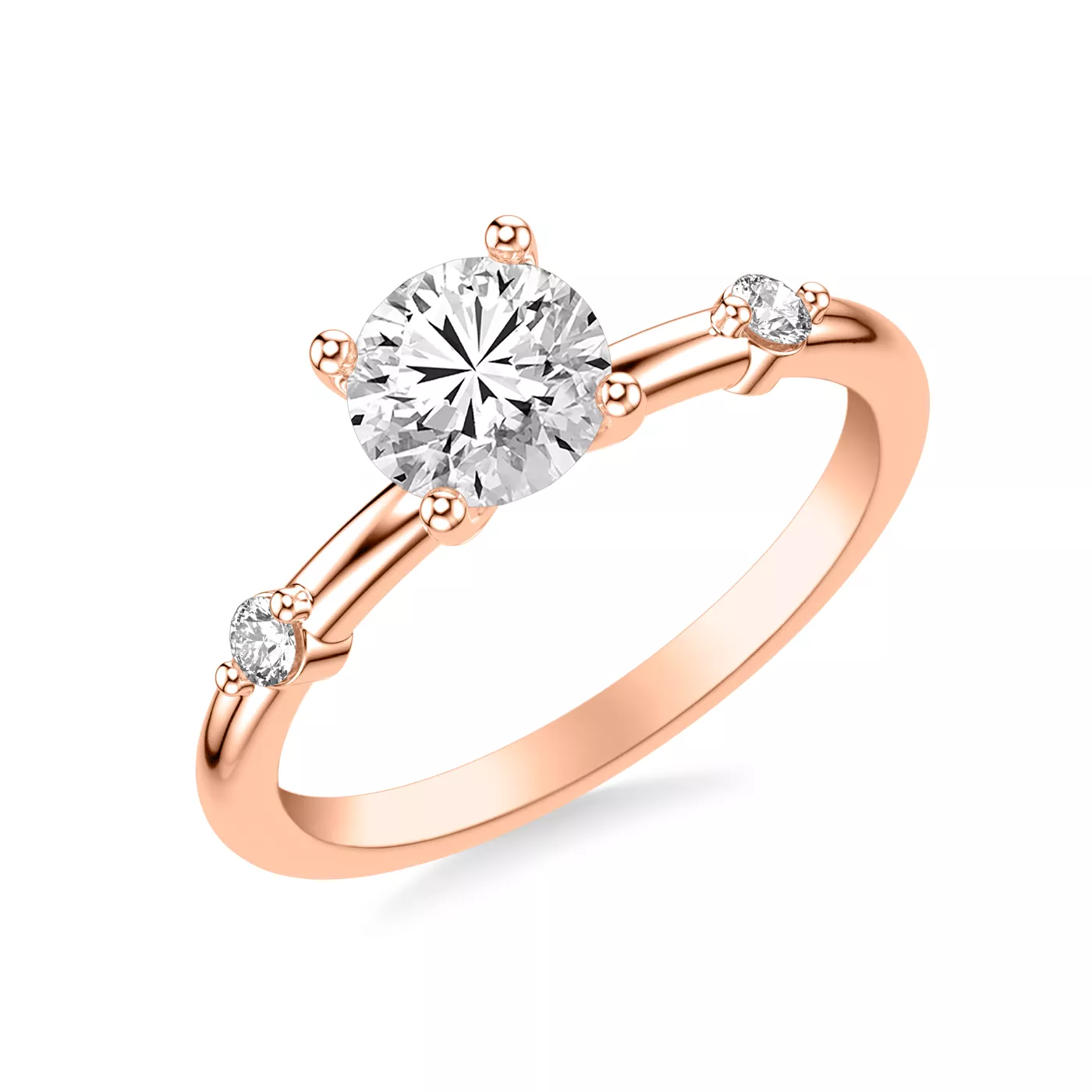
- Daria Diamond Accent Engagement Ring
A classic band with a single diamond tucked into each shoulder, giving it a little extra flash without pulling focus from the center stone. Comes in 14K rose gold, with a matching band available separately.
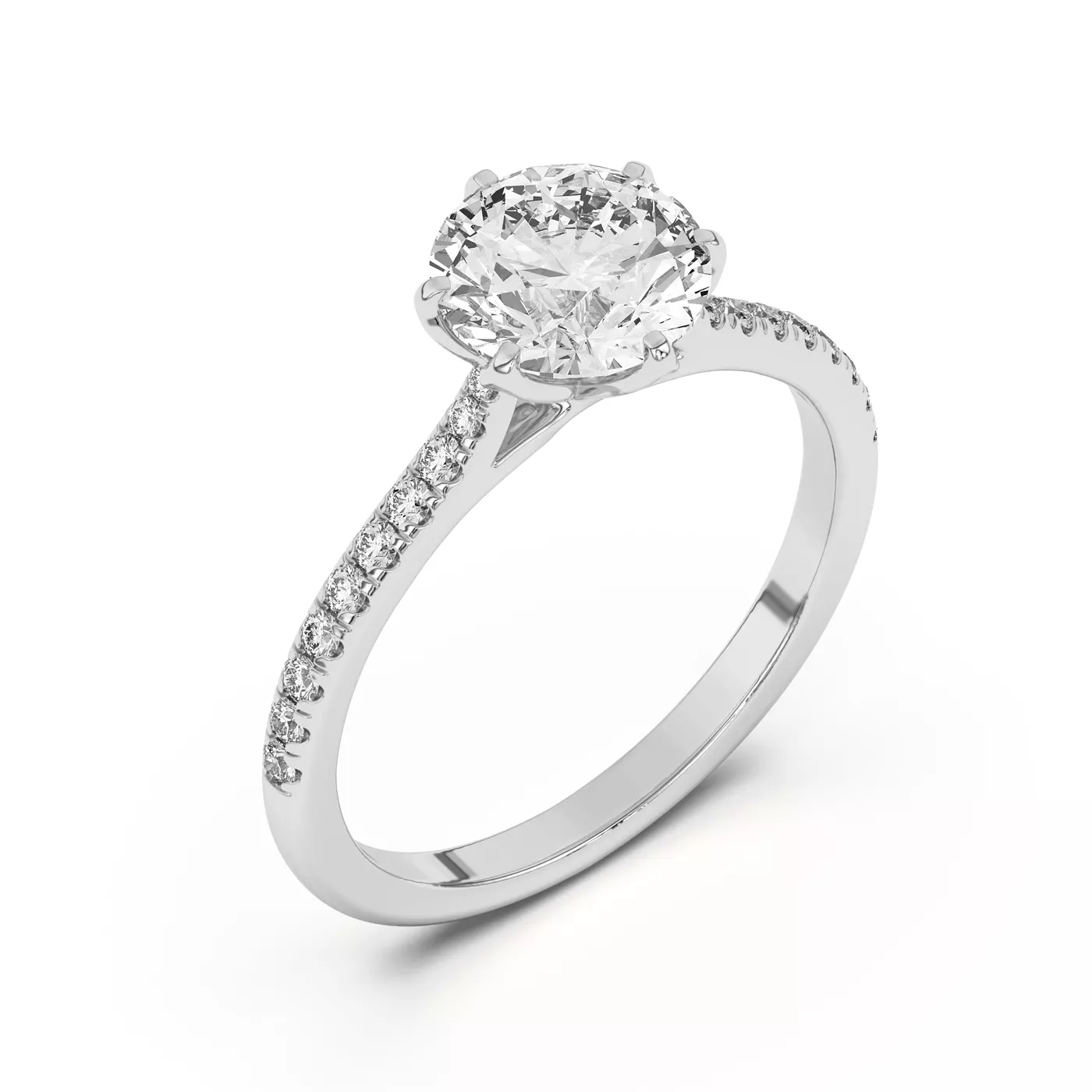
- Marigold Tulip-Inspired 6 Prong Engagement Ring
Sculpted tulip petals hold the center diamond, while pavé diamonds along the band bring in extra sparkle and structure. Comes in 14K white gold, with a matching band available separately.
8. Quality Control and Hand-Craftsmanship, Regardless of Budget
Every ring, at every price point, is designed and finished by hand in Rare Carat's New York and New Jersey workshops. Nothing is mass-produced.
Once a piece is finished, it goes through a final quality check under magnification by independent QA specialists. If it doesn't meet standard, it doesn't ship as-is. It gets remade.
A lower price reflects reduced markup, not reduced craftsmanship.
9. What Reviews and Policies Say About Rare Carat
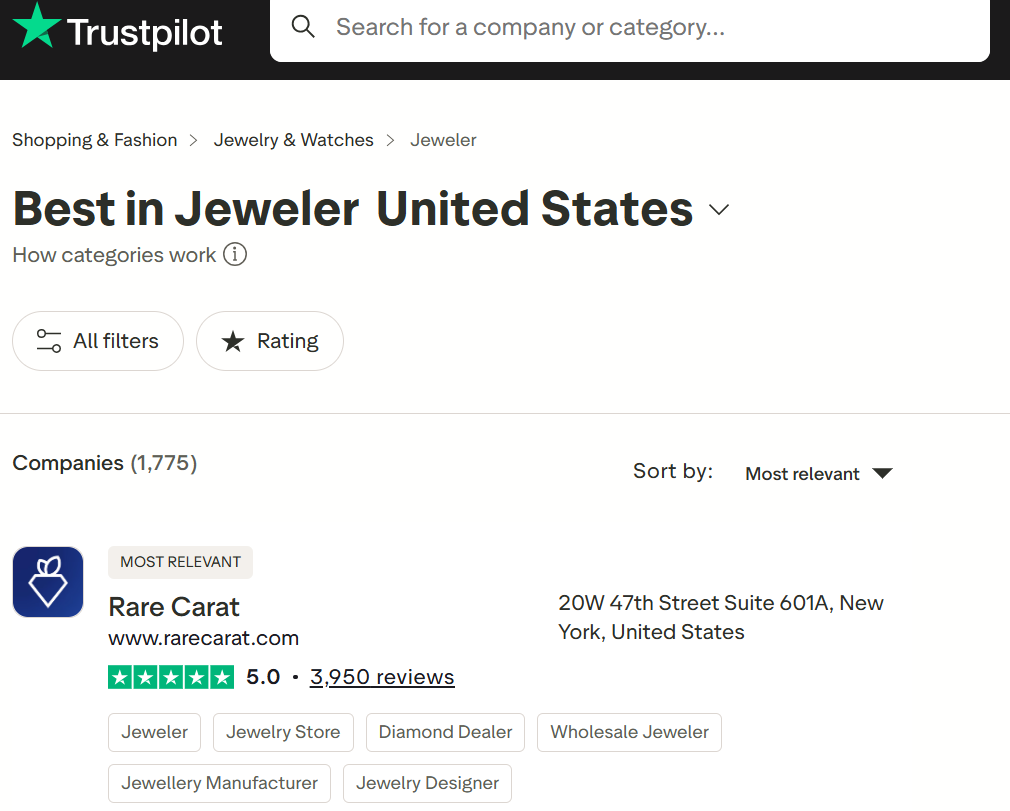
Rare Carat is currently the top-rated online jeweler on Trustpilot, with a 5.0 out of 5.0 rating across more than 3,000 verified reviews and a one-star rate under 1%.
That confidence carries through to the policies backing every purchase:
- 100% money-back guarantee
- Free 30-day returns
- Free resizing within the first year on rings (30-days for eternity rings)
- Lifetime manufacturer's warranty
- Free insured shipping
None of these policies scale down with a smaller budget. A $1,000 ring is covered exactly the same way as a $10,000 one.
10. Why Buyers End Up Choosing Rare Carat for an Affordable Engagement Ring
Once buyers spend enough time comparing options online, the decision usually stops being about finding the lowest price tag and starts becoming about finding a place that makes the whole process feel transparent and easy to trust.
That's where Rare Carat continues to stand out for many budget-conscious shoppers.
| What Budget-Conscious Buyers Usually Want | How Rare Carat Helps |
|---|---|
| Real price transparency | Detailed listings and certification data, with prices 20-50% below typical retail |
| A retailer that controls the whole experience | Rare Carat is the merchant of record on every order, handling sourcing, sales, and support in-house |
| A real way to stretch the budget further | Full lab-grown diamond inventory alongside natural, switchable from the very start |
| Design options that don't shrink at a lower price | 2,300+ settings across 7 metal options, roughly 16,100 possible style-and-metal combinations |
| Flexible payment structure | Financing options available at checkout |
| Confidence that a lower price doesn't mean lower quality | Only GIA, IGI, and GCAL certified diamonds, verified through a two-step internal check |
| Expert guidance before committing to a purchase | Free access to 100+ GIA-trained gemologists |
| Confidence after ordering | Free 30-day returns, free insured shipping, and a lifetime manufacturer's warranty |
| Proof other buyers trust the experience | 5.0/5.0 rating on Trustpilot, based on 3,000+ verified reviews |
At the end of the day, buying an affordable engagement ring isn't really about hunting down the cheapest option out there. It's about understanding where a price tag actually comes from, and only paying for the parts that matter.
Certification, verification, craftsmanship, and support shouldn't disappear at a lower price point, and on Rare Carat, they don't.
That's the difference between a ring that feels affordable because it's smaller or lower quality, and one that's affordable because the markup was never necessary in the first place.
Ready to build a ring around your actual budget? Take the Rare Carat Quiz and get matched with options that fit both your style and your spend.
How much should I actually spend on an engagement ring?
Are lab-grown diamonds a good way to save money on an engagement ring?
Will a more affordable ring still look impressive?

Affordable Engagement Ring FAQs