Best Place to Buy a 1 Carat Diamond Engagement Ring
A complete guide to comparing 1 carat engagement rings online
- Rare Carat offers certified 1-carat natural and lab diamonds with two-step verification.
- Cut quality, proportions, and certification matter more than hitting exactly 1.00 carat, as well-cut stones often look larger and brighter.
- Customize by shape, setting (solitaire, halo, pavé, three-stone), and metal (yellow, white, rose gold, platinum).
- Free guidance from 100+ GIA gemologists, 30-day returns, insured shipping, lifetime warranty, and Trustpilot’s top rating (5.0/5).
Shopping for a 1 carat engagement ring sounds straightforward at first, especially for buyers exploring the broader guide on the best place to buy engagement rings online.
It is probably the most recognized diamond size category, and for many buyers, it feels like the ideal balance between presence, practicality, and price.
But couples searching for the best place to buy a 1 carat diamond engagement ring usually realize very quickly that the category is more complicated than expected.
Two rings can both technically be “1 carat” while looking completely different in sparkle, size, or overall appearance once worn. Pricing can vary dramatically, too, especially depending on cut quality, shape, certification, and whether the diamond is natural or lab-grown.
That is why buyers comparing engagement rings with a 1 carat diamond often spend more time researching than they initially planned. The category sits right in the middle of several important tradeoffs, and the retailer experience itself can end up influencing the final decision more than many shoppers expect.
1. Why 1 Carat Engagement Rings Are So Heavily Compared
Many engagement ring shoppers start their search with one number in mind: 1 carat.
Even people who know very little about diamonds usually recognize it as the “safe middle ground,” where the ring feels substantial without immediately entering luxury-pricing territory.
But once buyers actually begin comparing diamonds online, this category gets surprisingly complicated.
The jump from a 0.90 carat diamond to a true 1.00 carat stone can create a noticeable price increase, even when the visual size difference is minimal.
Many shoppers don’t realize that retailers often price exact milestone weights at a premium simply because demand is so much higher around those benchmark numbers.
That’s also why buyers comparing 1 carat engagement rings eventually start paying closer attention to visual spread instead of carat weight alone.
Certain oval, pear, and elongated cushion diamonds can appear larger face-up than a round brilliant of the same weight. Meanwhile, an overly deep cut can make a diamond look smaller than expected, despite technically hitting the 1 carat mark.

This is usually the point where shopping behavior changes.
Instead of asking: “How do I get a 1 carat diamond?”
Buyers start asking: “How do I maximize what my budget actually looks like on the hand?”
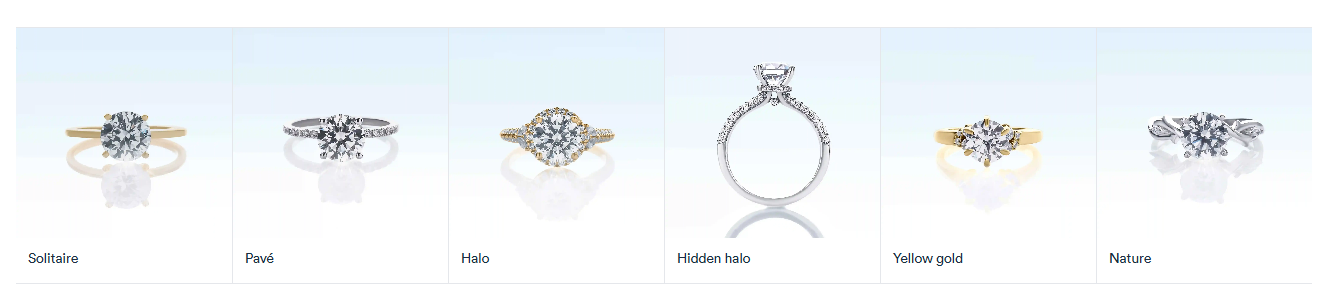
Cut quality suddenly matters more. So does certification. Setting style starts influencing perceived size more than many shoppers expect. Hidden halos, thinner bands, and elongated shapes can all change how large the center stone appears once worn.
Some buyers also realize they may be overpaying in areas that have little visible impact.
Internally flawless clarity grades, for example, often cost significantly more, even though many VS1 or VS2 diamonds appear identical to the naked eye in normal viewing conditions.
And increasingly, this is where lab-grown diamonds enter the conversation, too.
For many shoppers, lab-created 1 carat diamonds create room for a better cut, larger visual appearance, or a more detailed setting without pushing the budget into uncomfortable territory.
Others still prefer natural diamonds for rarity or long-term emotional value. Either way, the comparison process becomes far more nuanced than simply choosing a carat number.
That’s why the retailer itself starts mattering more in this category than people initially expect.
So, buyers comparing 1 carat engagement rings are often balancing multiple tradeoffs at once:
- Carat Weight
- Diamond Shape
- Cut performance
- Certification
- Setting quality
- Overall value
Rare Carat makes the process feel much more manageable by helping buyers compare diamonds through guided recommendations, powerful search filters, and a shopping experience that feels intuitive rather than overwhelming.
2. What Actually Matters More Than Carat Weight
A lot of first-time buyers assume carat weight is the biggest factor separating one engagement ring from another. In reality, once diamonds reach around the 1 carat range, other details often have a bigger impact on how impressive the ring actually looks in person.
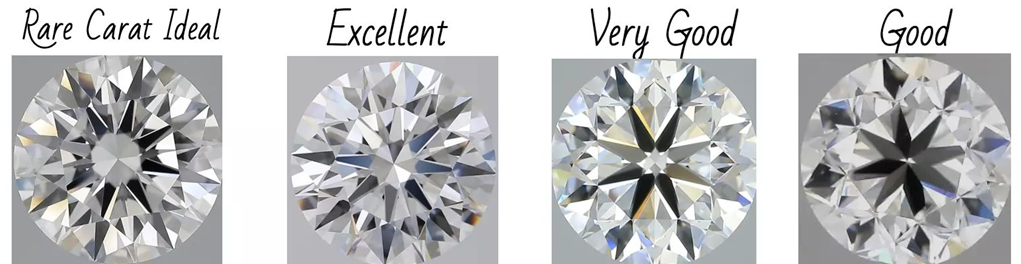
Cut quality is usually the first thing experienced shoppers start paying attention to. A well-cut 1 carat diamond reflects light better, looks brighter, and can even appear larger than a heavier diamond with weaker proportions.
This becomes especially noticeable online, where many buyers start comparing more carefully with the help of our professional and HD diamond imagery and 360° videos after narrowing down budget ranges.
At Rare Carat, we made sure lower cut grades like "Fair" and "Poor" are not available in our diamond collection so that customers can make the right call, no matter their choice:
With cut quality, the other factors that also matter to diamond buyers are:
| Factor | Why It Matters |
|---|---|
| Certification | Reliable grading reports help buyers compare diamonds more confidently online. |
| Fluorescence | Can influence pricing and sometimes affect how a diamond appears in different lighting. |
| Lab vs Natural | Many buyers compare both options to balance size, quality, and overall budget more effectively. |
Proportions matter too, particularly depth percentage and table percentage. Diamonds cut too deep can carry weight underneath the stone, where it is less visible from the top view.
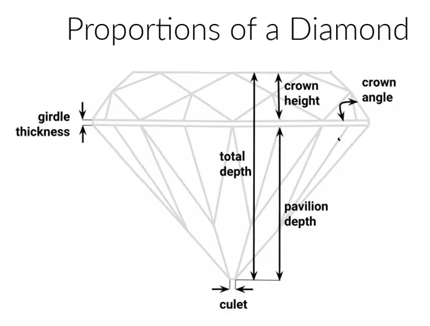
Buyers often assume they are getting a “larger” diamond simply because the carat number is higher, only to realize the face-up appearance looks smaller than expected.
At that point, many shoppers start focusing more on:
- Finger coverage
- Face-up appearance
- Overall sparkle
than the carat number alone.
Certification also becomes more important once buyers begin comparing pricing seriously. At Rare Carat, every diamond is backed by certification from trusted labs like GIA, IGI, or GCAL, which makes comparing stones a lot easier once buyers start looking deeper than just carat size. Instead of guessing based on photos alone, shoppers can actually evaluate things like cut quality, clarity, color, and proportions with more confidence.
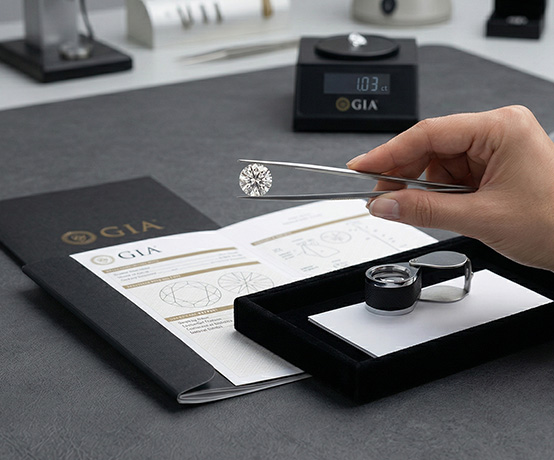
That becomes important pretty quickly online. Two 1 carat diamonds may look nearly identical at first, but once you zoom into the grading details, one can easily outperform the other in sparkle, light performance, or overall appearance.
A lot of experienced buyers eventually realize that certification is not just paperwork. It helps separate genuinely well-cut diamonds from stones that simply sound impressive in the product listing.
Fluorescence is another detail many buyers initially overlook:
- Faint fluorescence can sometimes improve value.
- Medium fluorescence may reduce pricing without visible drawbacks.
- Very strong fluorescence can occasionally affect transparency depending on the diamond.
Most buyers realistically need guidance here because certificates alone rarely tell the full story.
That is one area where the buying experience itself starts mattering more. At Rare Carat, shoppers can connect with a team of over a hundred GIA-trained gemologists who help buyers compare diamonds beyond what is written on a grading report.
For many people, especially first-time engagement ring shoppers, having someone explain the tradeoffs between cut quality, clarity, fluorescence, proportions, and overall value can make the process feel far less overwhelming.
And increasingly, this is also where lab-created diamonds enter the conversation.
A lot of buyers comparing 1 carat engagement rings eventually realize that lab-grown diamonds create much more flexibility within the same budget.
With such an option, some choose to prioritize a higher cut grade or better clarity, while others prefer putting more into the setting itself without sacrificing center stone size. And that is largely because lab-grown diamonds are often priced 60% to 70% lower than comparable natural diamonds with the same 4Cs specifications, despite having the same chemical, physical, and optical properties as mined diamonds.
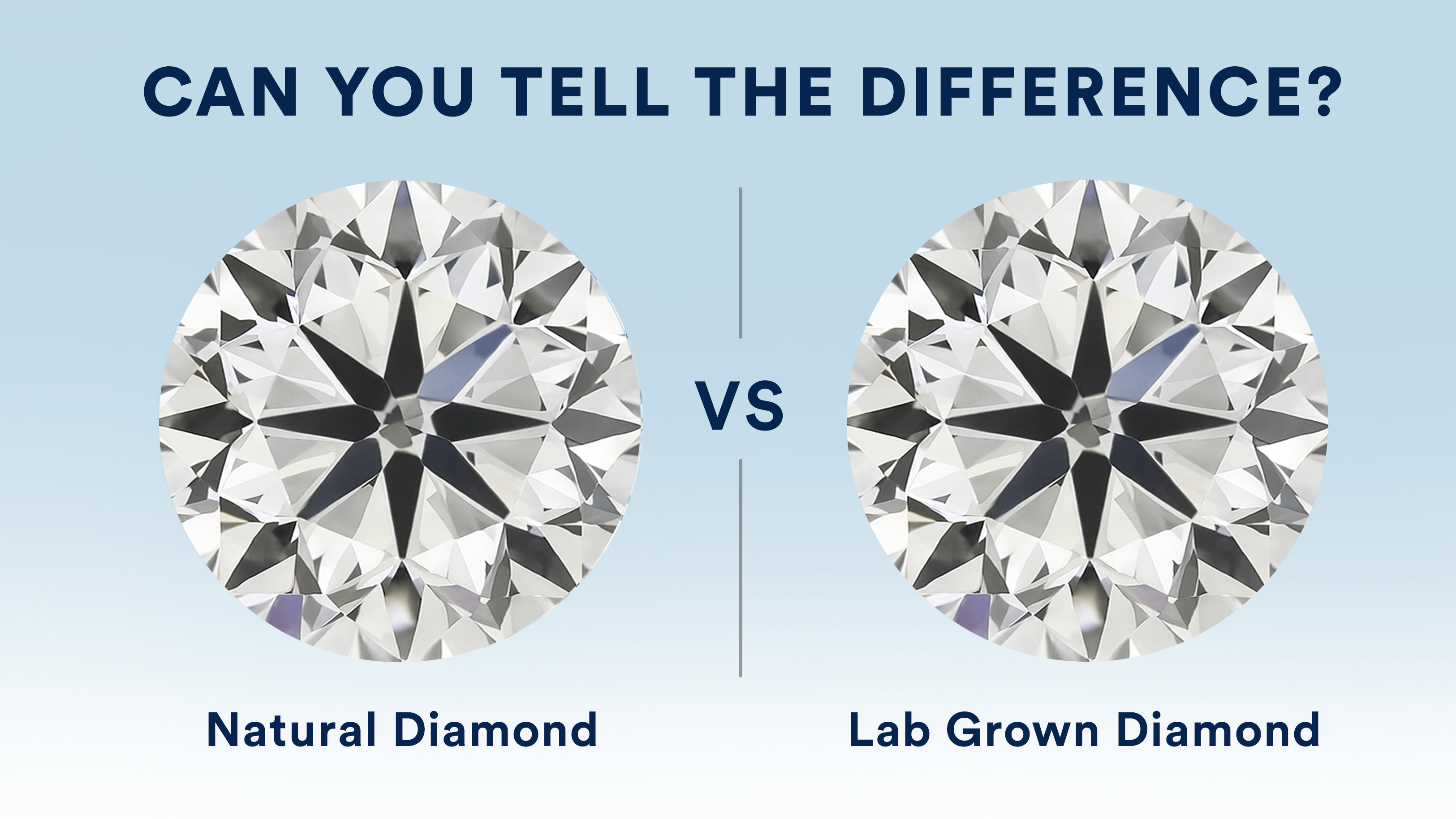
Natural diamonds still hold strong appeal for buyers who care more about rarity or the traditional side of engagement ring shopping, but a lot of shoppers today are taking the time to compare both options properly before deciding what feels right for them.
3. How Much Does a 1 Carat Engagement Ring Actually Cost?
One reason engagement rings with a 1 carat diamond are compared so heavily online is that pricing can vary far more than most buyers initially expect.
Two rings may both technically feature a 1 carat diamond, yet end up thousands of dollars apart once factors like cut quality, certification, diamond shape, setting style, and diamond origin enter the picture.
But for most modern buyers, the biggest pricing difference usually comes down to one decision: lab-grown or natural diamond.
| Diamond Type | Typical 1 Carat Price Range | What Buyers Usually Prioritize |
|---|---|---|
| Lab-Grown Diamond | ~$800–$3,500+ | Higher specs, larger visual appearance, and more flexibility within budget |
| Natural Diamond | ~$3,500–$12,000+ | Rarity, traditional appeal, and long-term emotional value |
At Rare Carat, buyers can compare both types instead of feeling locked into one option early in the shopping process. That flexibility becomes important because many shoppers change priorities midway through comparing rings, especially once they start balancing size, setting style, cut quality, and overall budget more carefully.
Instead of forcing buyers to restart their search every time they want to try something different, Rare Carat makes the customization process feel much more flexible directly from the product page itself.
Someone can compare a lab-grown diamond against a natural one, test different quality combinations, switch shapes, or explore another setting style without losing all the progress they have already made.
Some shoppers like choosing the diamond first and building the ring around it, while others begin with a setting they already love and customize from there. Rare Carat makes both approaches easy while offering an exclusive collection featuring more than 1,700 ring designs and over 2,500 jewelry styles across different categories.
We also help buyers evaluate value more realistically through AI-driven price and quality scores, making it easier to spot stronger-performing diamonds without manually comparing thousands of nearly identical-looking stones.
In many cases, shoppers can save up to 40% while still prioritizing the specifications that matter most visually. That pricing flexibility is one reason many buyers who originally planned on a natural 1 carat diamond eventually begin comparing lab-grown options more seriously.

For some shoppers, the difference means upgrading to a better cut quality or a higher clarity grade without stretching the budget further. Others prefer putting the savings toward a more detailed setting or a larger overall appearance once the ring is worn.
Natural diamonds still remain important for buyers who care more about rarity and traditional symbolism, and with Kimberly Process compliance, transparent pricing, and high-quality certified diamonds, staying with the traditional side of engagement ring shopping feels much more straightforward at Rare Carat for buyers who still want a natural stone.
4. What 1 Carat Engagement Rings Look Like Across Different Styles
Once buyers narrow their budget range, the next step usually becomes much more visual.
Instead of only comparing specifications on paper, many shoppers start looking at how different 1 carat engagement rings actually feel across various settings, shapes, and overall design styles once worn.
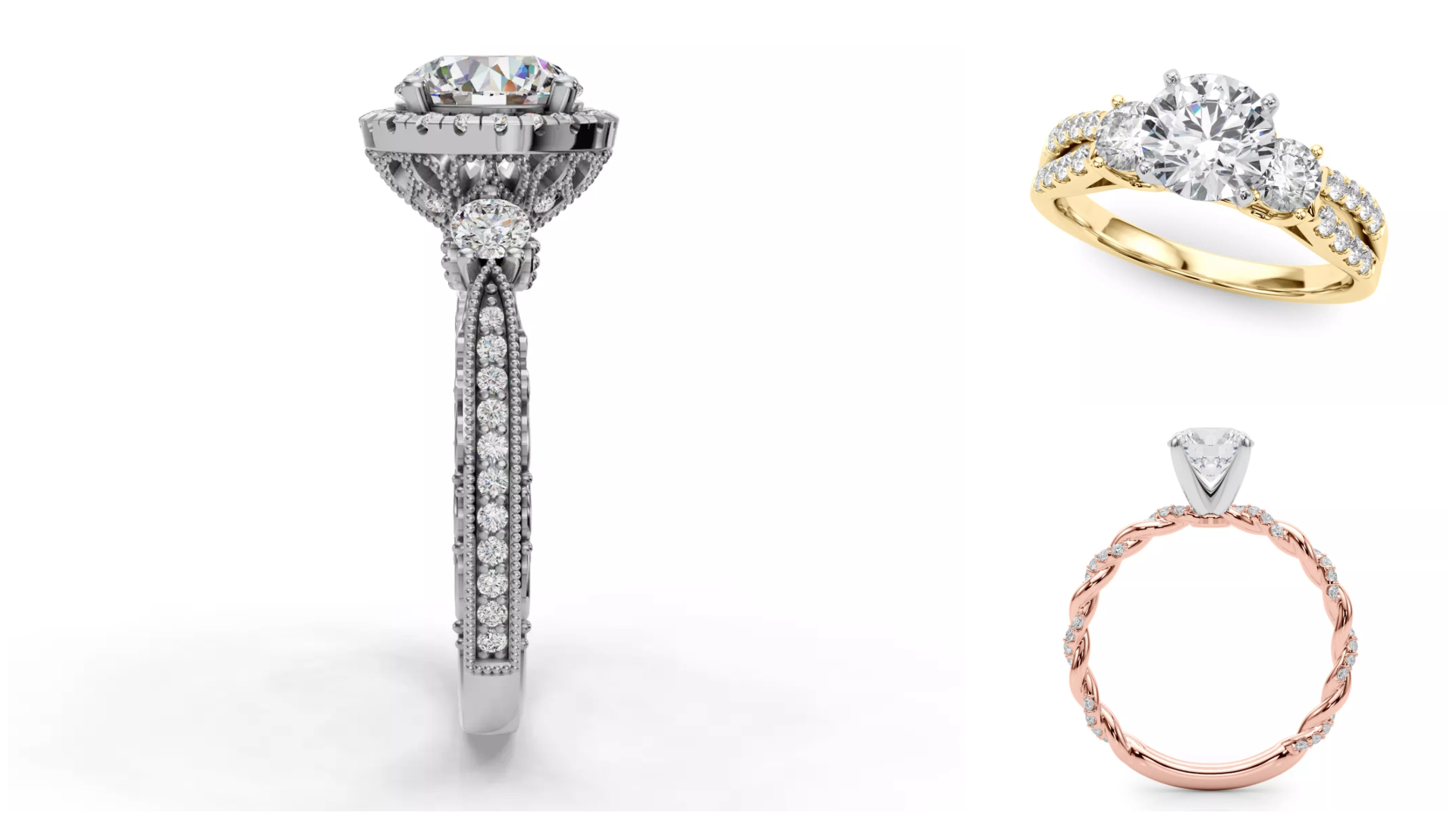
Here are some examples of the top 5 bestselling 1 carat lab-grown diamond engagement rings that buyers often compare online:
- A Classic Cathedral Solitaire Ring
Some ring styles stay popular for a reason. This cathedral solitaire keeps the focus entirely on the center diamond, while the decorative tulip prongs add a softer, more detailed look from the side profile. The setting feels clean and timeless overall, especially for buyers who want a 1 carat engagement ring that looks elegant without becoming overly complicated once worn.
It also leaves plenty of room for personalization. A round diamond gives it a more classic look. Switch to an oval or pear shape, and the ring starts feeling a little more modern immediately. Even the metal changes the personality—white gold keeps it cleaner, while yellow or rose gold adds a warmer feel overall.

- A Twisted Solitaire Engagement Ring
This setting takes the classic solitaire look and gives it a little more movement. The twisted band adds extra detail without taking attention away from the center diamond, so the ring still feels elegant and easy to wear while looking noticeably more intricate once seen up close.
A round diamond keeps the design feeling timeless, while elongated shapes make the twisting band stand out a bit more visually. The gallery basket underneath also adds extra support for the center stone, which many buyers appreciate when choosing a ring they plan to wear every day.

- A Stunning Three-Stone Engagement Ring
After simpler solitaire styles, many buyers start exploring rings with a little more detail around the center stone. In this three-stone style, the extra sparkle feels elegant rather than overwhelming, and the tapered shape naturally draws more attention toward the center stone once the ring is worn.
Different center diamond shapes can change the ring's personality quite a bit. A round diamond keeps it timeless, while oval or elongated cuts create a softer, more elongated overall look that pairs especially well with the pear side stones.

- A Pavé Tulip Solitaire Ring
This style retains the elegant tulip setting of the classic solitaire discussed earlier, but adds pavé diamonds along the band for buyers who want a little more sparkle overall.
The added pavé detailing gives the ring a noticeably brighter look without changing the overall elegance of the setting. It still feels refined and balanced, just with a little more presence once it is actually on the finger.
The tulip petals underneath the center stone also stand out more from the side angle, especially with elongated shapes like oval or pear diamonds.

- A Split-Shank Halo Engagement Ring
For buyers who want even more sparkle than a pavé band can offer, halo settings usually become the next step naturally. This bestselling design builds on that brighter look with pavé diamonds flowing across a subtle split-shank band before leading into the halo surrounding the center stone.
The cathedral structure gives the ring a more elevated appearance overall, while the halo helps the center 1 carat diamond look larger and more prominent once worn. In fact, halo designs have become especially popular for 1 carat engagement rings because of how effortlessly they create a bigger, brighter overall look without needing a significantly heavier center stone.

While these bestselling styles are shown here with lab-grown center stones, most of them are also available with natural diamonds, depending on what buyers prioritize more—whether that is overall size, budget flexibility, rarity, or long-term sentimental value.
In reality, a lot of buyers looking at 1 carat engagement rings end up comparing both options for a while before deciding which one feels right for them. The overall design may stay the same, but the pricing flexibility and upgrade possibilities can look very different depending on whether the center stone is lab-grown or natural.
| What Buyers Compare | 1 Carat Lab-Grown Ring | 1 Carat Natural Diamond Ring |
|---|---|---|
| Typical Price for a Simple Solitaire Ring | ~$1,200–$4,500+ for a 1 carat round lab-grown diamond in a simple solitaire setting | ~$4,500–$12,000+ for a 1 carat round natural diamond in a simple solitaire setting |
| Typical Price Flexibility | More room for higher clarity, better cut grades, or larger-looking settings within budget | Higher pricing overall, especially for stronger 4Cs combinations |
| Popular Buyer Priority | Maximizing visual size and sparkle | Rarity, traditional appeal, and long-term emotional value |
| Customization Flexibility | Easier to upgrade setting styles or diamond specifications without stretching budget | Buyers may prioritize balancing cut, color, and setting choices more carefully |
| Overall Shopping Approach | Often chosen for value optimization and flexibility | Often chosen for tradition and natural rarity |
5. Where Buyers Usually Overspend on a 1 Carat Ring
A surprising number of buyers end up overspending on a 1 carat diamond engagement ring without realizing it at first.
Usually, it happens because certain upgrades sound far more important on paper than they actually look once the ring is worn day to day.
One of the biggest examples is clarity.
A lot of first-time shoppers assume they need a flawless or internally flawless diamond because the grading sounds safer or more “premium.” But around the 1 carat range, many VS1 or even VS2 diamonds already appear completely eye-clean under normal viewing conditions.
That pricing jump can become significant very quickly.
| Where Buyers Commonly Overspend | What Often Matters More Visually |
|---|---|
| Flawless clarity grades | Strong cut quality and eye-clean appearance |
| Exact 1.00 carat weight | Better proportions and face-up size |
| Higher color grades with little visible difference | Balanced color and sparkle performance |
| Only focusing on the grading report headline | Actual light performance and proportions |
| Spending almost the full budget on the center stone | A more balanced overall ring design and setting quality |
The “magic number” effect around a true 1.00 carat diamond catches many buyers off guard, too.
A 0.90 to 0.98 carat diamond can sometimes look nearly identical once set, especially with a stronger cut, yet the price difference may still jump noticeably because milestone weights are priced at a premium.
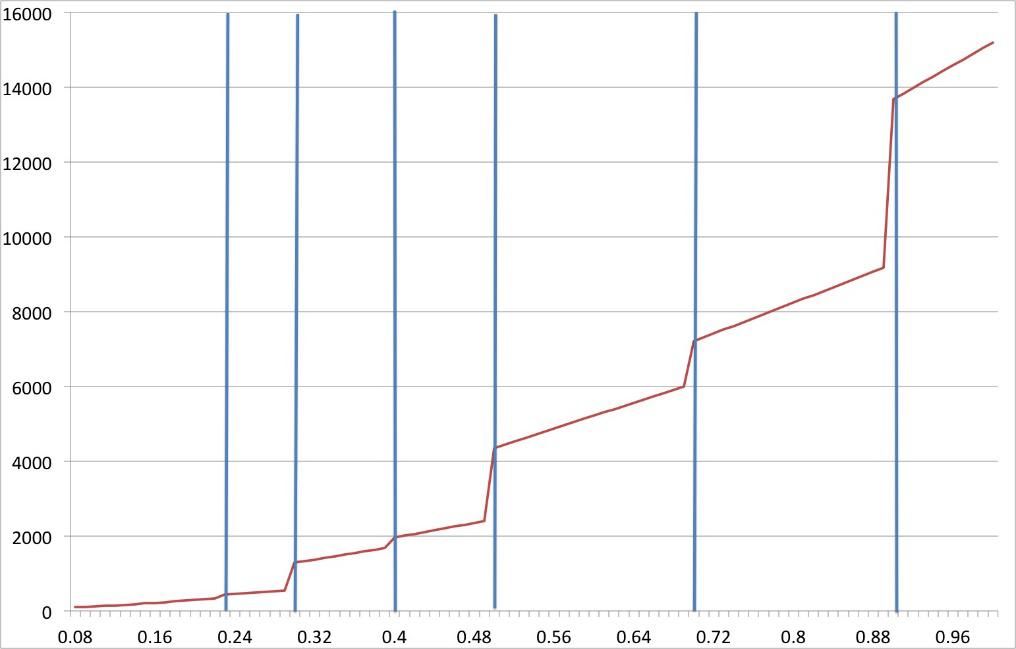
That is usually the point where experienced shoppers stop chasing specifications individually and start looking at overall visual performance instead. And increasingly, buyers also start reevaluating whether stretching the budget for a natural diamond still matches what they actually prioritize.
At that stage, the overall buying experience starts mattering just as much as the diamond itself.
Rare Carat manages the entire buying process directly (merchant of record), which helps make everything feel far more seamless once shoppers move from casually browsing to actually comparing diamonds seriously.
Between insured shipping, free returns, responsive customer support, and access to GIA-trained gemologists, buyers have real guidance available when multiple diamonds start looking almost identical on paper.
Customer feedback reflects that experience as well. Rare Carat has been ranked as the top-rated jeweler on Trustpilot in the “Jeweler” category, with thousands of verified reviews from buyers frequently highlighting our commitment, transparency, ease of comparison, and overall buying experience.
6. Why Rare Carat Works Better for Comparing 1 Carat Engagement Rings Online
By the time most buyers reach the final stage of comparing 1 carat engagement rings, the decision usually stops being about carat weight alone.
At that point, shoppers are trying to balance:
- Visual size
- Sparkle and cut performance
- Natural vs lab-grown pricing
- Setting quality
- Certification reliability
- Long-term value
And realistically, trying to compare all of those factors manually across thousands of listings can become exhausting very quickly.
That is where the overall shopping experience starts making a much bigger difference.
| What Buyers Usually Want | How Rare Carat Helps |
|---|---|
| Compare diamonds without feeling overwhelmed | AI-driven price and quality scoring simplify side-by-side comparisons |
| See how diamonds actually perform visually | HD imagery, 360° videos, and detailed grading information help buyers compare beyond basic specs |
| Customize rings more easily | Flexible product-page customization allows shoppers to change diamonds, settings, and specifications quickly |
| Get real support during the buying process | Access to GIA-trained gemologists, responsive customer support, insured shipping, and free returns |
| Shop natural diamonds more confidently online | Certified diamonds, transparent pricing, and Kimberly Process compliance help simplify the process |
A lot of buyers begin their search thinking they only need to choose a 1 carat diamond.
But after comparing pricing, proportions, certification, cut quality, and setting styles more closely, most people realize the process is really about finding the best overall balance for their budget and priorities.
That is also why shoppers increasingly spend more time comparing the buying experience itself instead of only comparing specifications on paper.
Rare Carat helps simplify that process by combining guided comparisons, flexible customization, transparent pricing, certified diamonds, and expert support in one place instead of forcing buyers to piece everything together manually across different websites.
For buyers specifically looking for a natural diamond, pricing consistency, certification quality, customization flexibility, and long-term value often become part of the decision together rather than separately. That is why many shoppers researching a 1 carat engagement ring eventually start looking more closely at the overall online buying experience as well.
If you’re still unsure about what style, size, or setting suits you best, it often helps to narrow things down based on personal preference rather than specifications alone. You can take a quick quiz to get a clearer direction before making a final decision.