Best Metal For Engagement Ring Setting
A detailed guide to the best metal for engagement ring settings
- Platinum offers unmatched durability and hypoallergenic properties but comes at a premium price
- Gold options (yellow, white, rose) balance affordability, style, and durability for different preferences
- White gold requires rhodium plating; rose gold has low maintenance but may cause copper allergies
- Two-tone settings combine metals for unique designs that stand out
- Consider lifestyle, budget, and skin sensitivity when choosing the best metal for daily wear
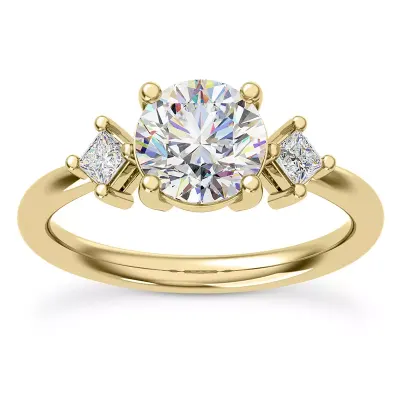
Most buyers believe that selecting the right diamond for an engagement ring is the most crucial part of the entire shopping experience. While the diamond is certainly meant to take the spotlight, the foundation that holds it, the metal for the engagement ring setting, should not be overlooked.
Choosing the right metal for an engagement ring setting is equally important. From price and durability to aesthetics, the metal not only affects the overall look and feel of the ring but also plays a significant role in how the diamond's color and sparkle appear. Alongside personal preference, several practical factors must be taken into account to ensure the setting complements both the stone and the wearer’s lifestyle.
Based on expert insights, current trends, and Rare Carat's extensive buying data, this guide evaluates the best metal options for engagement ring settings to help buyers make informed decisions that align with their personal style, priorities, and lifestyle needs.
What Are The Most Durable Metals For Engagement Rings Worn Daily?
When it comes to metal selection, the durability of engagement ring metals is a key factor that buyers should consider. Other important aspects include whether the metal is suitable for daily wear, hypoallergenic, resizable, and whether it complements the chosen diamond — just to name a few. While platinum and gold remain the two most popular choices, they are not the only options available. Below is a comparison chart featuring the top metal choices to give buyers a clearer picture of what to expect from each one:

Best Metal For Engagement Ring Setting: Metal-By-Metal Breakdown
- PLATINUM
To put it in perspective, platinum is approximately 30 times rarer and purer than gold. It is one of the rarest metals on the planet — a truly luxurious choice that remains unmatched in both quality and prestige.
What Are The Pros And Cons Of Choosing Platinum For An Engagement Ring?
Platinum is not only one of the most durable metals for an engagement ring setting, but it is also naturally hypoallergenic and highly resistant to scratches, wear, and tarnish. Thanks to its grayish-silver tone, it can enhance the appearance of a diamond by making it look whiter and more brilliant. It’s also very easy to maintain, an optional professional polishing every 5 to 7 years is usually enough to keep it looking like new. However, due to its rarity and density, platinum is also one of the most expensive metal choices available for engagement ring settings.
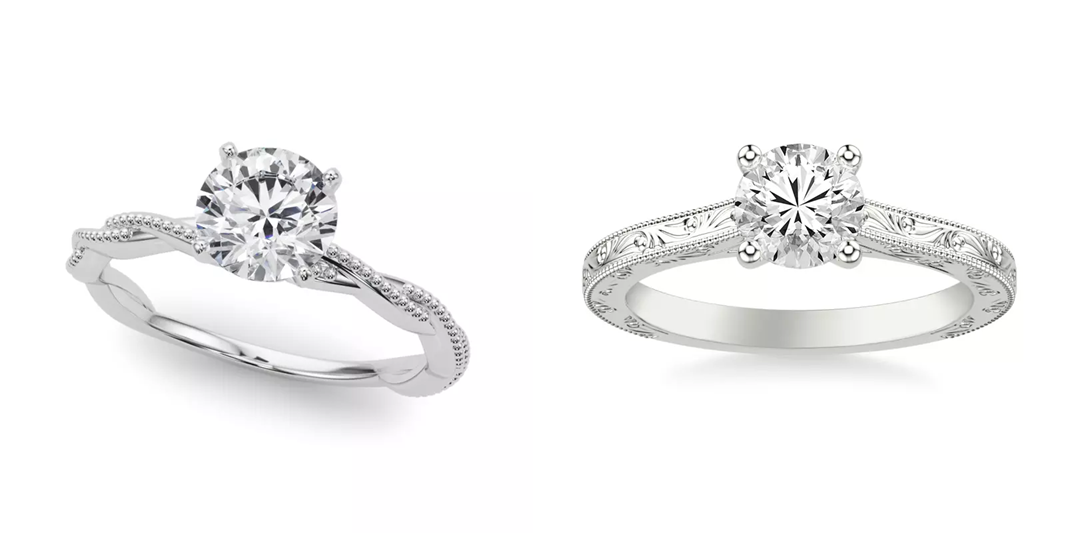
Here is a glimpse from our platinum engagement ring settings collection:
- YELLOW GOLD
The most common metal choice for engagement ring settings is yellow gold. Both 18K and 14K yellow gold are widely available and popular; however, 14K is slightly more scratch-resistant, making it a more practical option for daily wear.
What Are the Pros and Cons of Choosing Yellow Gold for an Engagement Ring?
For buyers who prefer traditional aesthetics and warmer tones, yellow gold is an excellent choice for an engagement ring setting. It is easy to resize, sits comfortably on the finger, and provides a secure foundation for the diamond.
One of the most frequently asked questions about this metal is: Is yellow gold becoming popular for engagement rings again? The answer is yes. Yellow gold is timeless, and despite being the most common option, its enduring appeal lies in its durability, reliability, and classic charm.
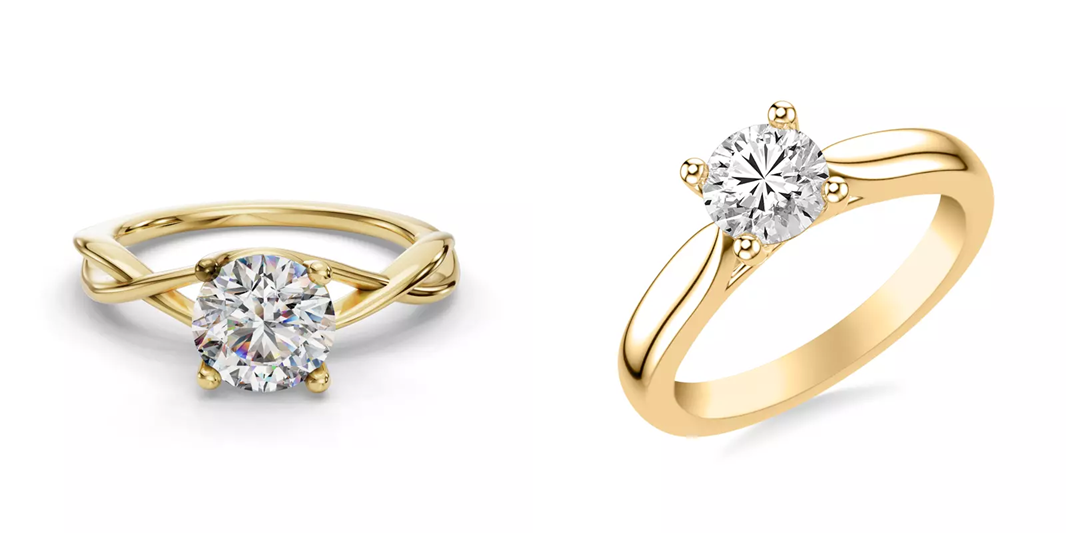
Here is a glimpse from our yellow gold engagement ring settings collection:
- WHITE GOLD
One of the most frequently asked questions about white gold is: How do platinum and white gold compare for engagement ring settings? For buyers who love the sleek, silvery aesthetic of platinum but are looking for a more budget-friendly option, white gold offers a similar appearance at a significantly lower price point. What Are the Pros and Cons of Choosing White Gold for an Engagement Ring?
White gold combines the classic qualities of yellow gold with a cooler, more contemporary tone. It is easily resizable and widely available, thanks to its growing popularity in modern engagement ring trends. However, for buyers with sensitive skin, it's important to avoid nickel alloys, as these can cause allergic reactions. To maintain its brilliant luster over time, white gold requires occasional rhodium re-plating.
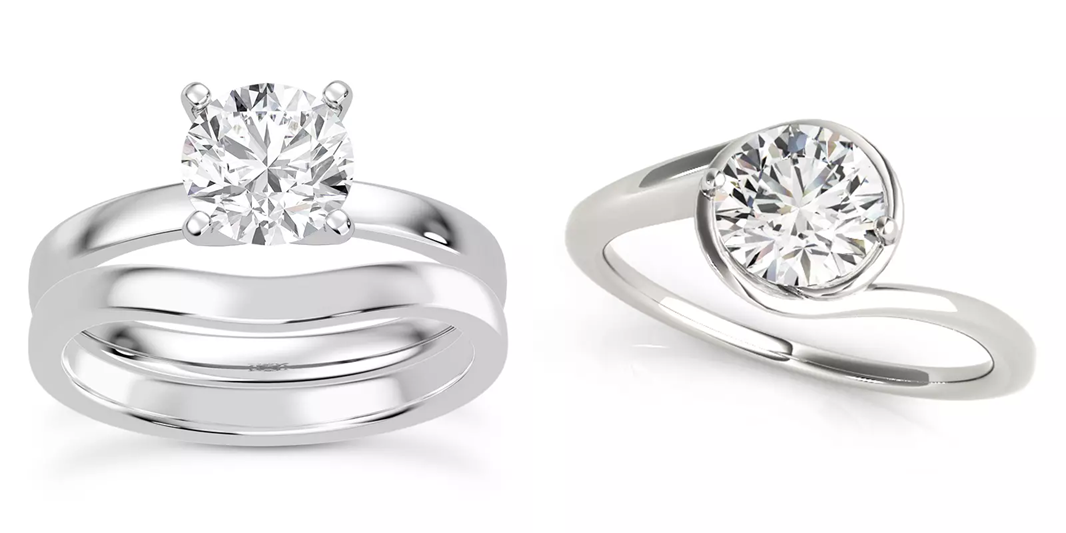
Here is a glimpse from our white gold engagement ring settings collection:
- ROSE GOLD
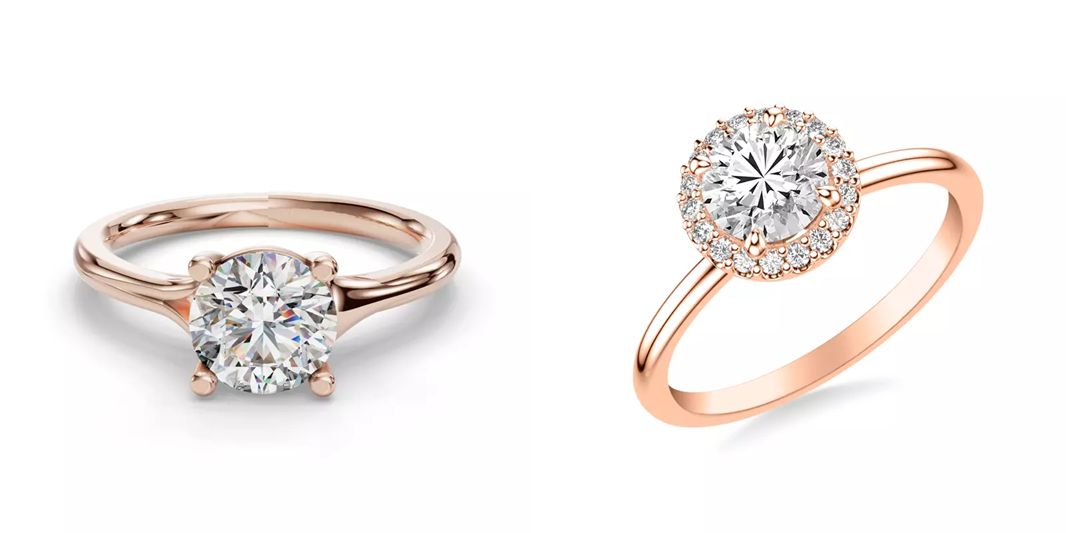
Rose gold, with its signature soft pinkish hue, is a beautiful choice for buyers seeking a romantic or vintage-inspired aesthetic. Like yellow and white gold, it is available in both 14K and 18K options.
What Are The Pros And Cons Of Choosing Rose Gold For An Engagement Ring?
One of rose gold’s key advantages is its low-maintenance nature—there’s no need for rhodium plating to preserve its color. The blush tone is achieved by alloying gold with copper, which gives it its distinctive charm. However, since copper can cause skin sensitivity in some individuals, rose gold is not considered hypoallergenic.
That said, it offers all the classic benefits of yellow and white gold, durability, elegance, and comfort, while adding a unique touch that celebrates love and individuality.
Here is a glimpse from our rose gold engagement ring settings collection:
- TWO-TONE (Yellow and White Gold)
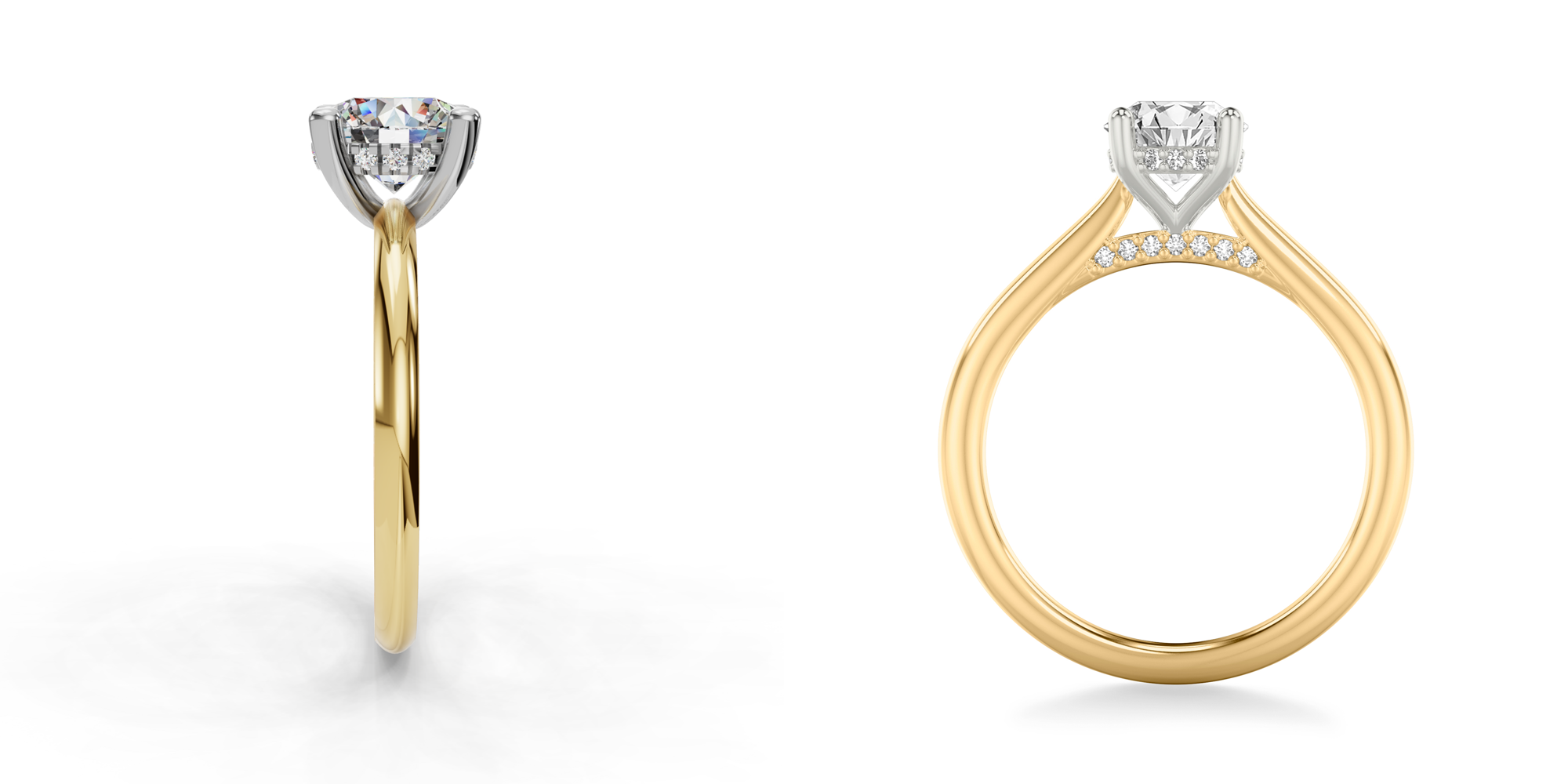
At Rare Carat, we also offer another striking option — two-tone engagement rings crafted by combining both yellow gold and white gold to form the ring setting. This unique option brings together the warmth of yellow gold with the sleek elegance of white gold, resulting in a beautifully balanced design that stands out. It is ideal for buyers who can’t choose between the two or simply want something distinctive.
For buyers wondering, What are the most popular two-tone metal combinations for engagement rings? — here is a glimpse from our two-tone engagement ring settings collection:
Matching the Best Metal for Engagement Ring Setting to Buyer Profiles
What are the best hypoallergenic metals for engagement ring settings?
Platinum is considered the best hypoallergenic metal for engagement ring settings, thanks to its purity and skin-friendly properties. Other suitable options include yellow gold and non-nickel-based white gold.
Which metals for engagement rings require the least maintenance over time?
Platinum and yellow gold are best known for requiring the least maintenance to retain their shine and color over time. Platinum maintains its natural white-silvery hue without the need for rhodium plating, unlike white gold. Yellow gold also retains its rich color naturally, though it may require occasional polishing to preserve its signature luster and appeal.
Which metals for engagement rings are best for a practical, active lifestyle?
For buyers with an active lifestyle, platinum and 14K gold are excellent choices. Due to their higher density and durability, both metals hold up well to daily wear, making them ideal for those seeking both practicality and lasting strength in an engagement ring setting.
Which engagement ring metals are best for buyers seeking a memorable option on a budget?
White gold and rose gold are ideal choices for buyers looking for a memorable ring on a budget. Both metals offer a modern yet distinctive look. White gold with its sleek brilliance, and rose gold with its romantic, vintage charm offer buyers style and beauty without compromising on durability.
What metals best enhance diamond brilliance in engagement rings?
When chosen thoughtfully, budget-friendly yellow and white gold can effectively enhance the brilliance of a diamond in an engagement ring setting. For a more informed shopping experience, learn how engagement ring metal choices can enhance the beauty of the diamond.
The perfect diamond has been chosen — now it’s time to select the right metal for the engagement ring setting that will hold it securely in place.
To choose the best metal, buyers should consider durability and how well it aligns with the wearer’s lifestyle. Equally important is selecting a metal that reflects the wearer’s personal style and preferences. A solid understanding of how to shop for an engagement ring makes it much easier to find the ideal metal within a set budget. So, take a moment to explore our comprehensive Engagement Ring Setting Guide for expert tips and tailored insights.