Classic and Timeless Round Cut Diamonds
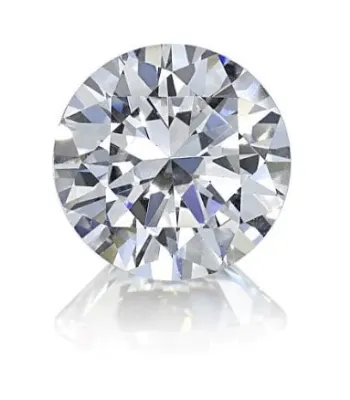
Round cut diamonds are the most desired of all the shapes, and because of this, they also have a few distinct advantages.
To begin with, the pervasiveness of round diamonds means that there are lots to choose from. Diamond manufacturers are acutely aware of the draw of round diamonds compared with other shapes.
In fact, round diamonds are the bread and butter of the diamond industry, so manufacturers will often choose to cut a rough stone into a round shape (rather than say, a princess shape) even if it means losing some carat weight in the process.
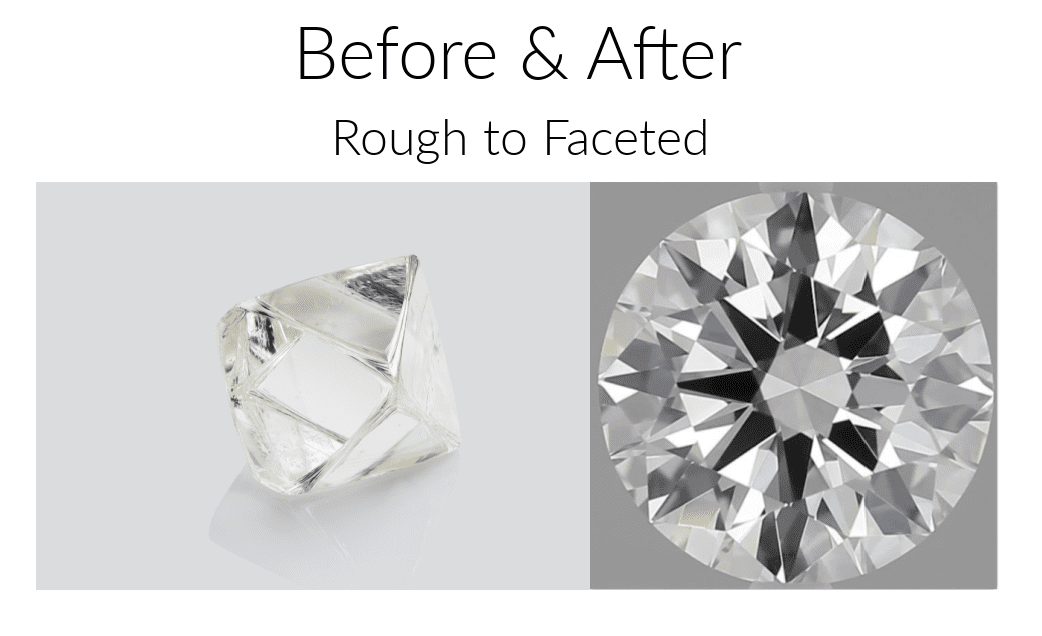
They realize that a smaller sized round diamond will sell faster than a larger princess cut stone. For this reason, every online and offline store will have an expansive selection of round diamonds for you to pick from, meaning you have a very high chance of picking something pretty darn amazing.
The other major advantage of having rounds at the top of the desirability scale, means that there is a huge amount of research done on what exactly constitutes a perfect round diamond. You will find a wealth of information on the best cut dimensions, clarity and color options for rounds (lots on this website so go look!) - Much more in fact, than for any other shaped diamond. This means you are armed with an impressive arsenal of knowledge as you delve into the fantastic (but also slightly bizarre) world of diamonds.
Researching Round Cut Diamonds: Knowledge is Power
This wealth of research also means that diamond cutters have identified the exact proportions that optimize the sparkle of a round diamond, making it even easier to cut a diamond in a way that is most pleasing to the human eye. Thanks, research!
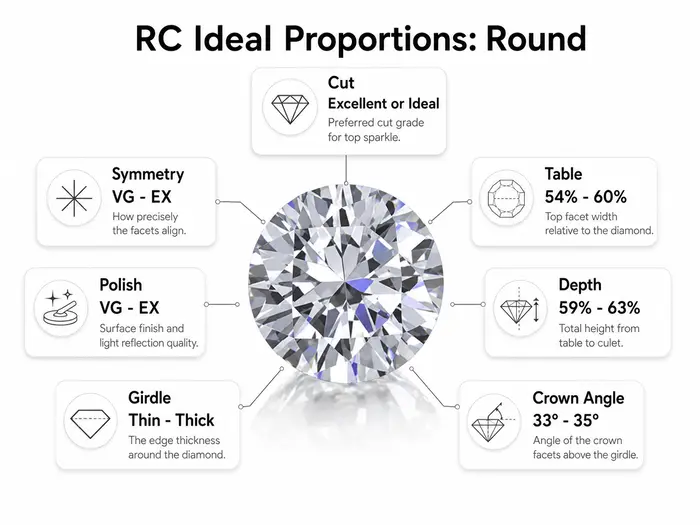
Round Cuts and the 4C's
The other massive draw of the round diamond, of course, is the fact that you can get away with much warmer colors and much lower clarity grades, as round brilliant cut diamonds, are fantastic at disguising hints of color and minor flaws.
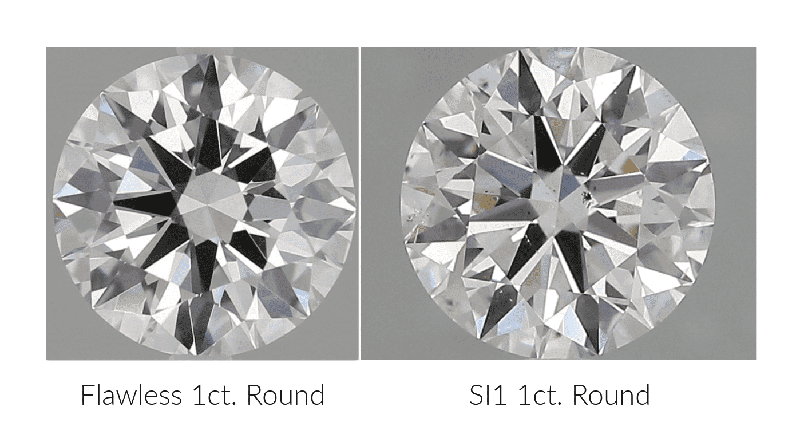
This means that you have much more freedom to play around with different combinations of color, clarity, and carat than you would have with the other diamond shapes. Hurrah!
Now, so far, we’ve learned that round diamonds are great, but what are the downsides of opting for a round stone?
There are none.
Goodbye...
OK, OK! There are two downsides. Round diamonds tend to be more expensive than their fancy-cut counterparts (like princess and emerald), simply due to the fact that they’re in much higher demand. Ok, easy enough to understand, it's simple economics. But also because there is more rough wasted when cutting a round compared to the other shapes. More waste = more expensive.
Alright, now you can go off into the diamond searching world and start looking for your magnificent round beauty!
If you need some help --> head over to that little chat bubble in the corner and a graduate gemologist will be right with you.
Not Convinced Round Cuts are Right for You?
Check out these other articles all about the stunning round brilliant cut:
- Round Ring Styles
- MM to Carat Guide
- Round vs. Cushion
- Whats the best cut grade for this shape? Read more here!
Follow us on Social: Facebook * Instagram * Pinterest * Twitter
What proportions make a round diamond more brilliant?
Can I relax my expectations for color or clarity with a round diamond?
Do round cut diamonds cost more than other shapes?

Round Diamond FAQs