Best Diamond Clarity And Cut For Engagement Rings?
A comprehensive guide on choosing the best diamond clarity and cut for engagement rings
- Best clarity for engagement rings: VVS1 to VS2 (eye-clean, balances beauty and cost)
- Best cut grade: "Excellent" (GIA) or "Ideal" (IGI) for maximum sparkle
- Cut matters more than clarity—a well-cut diamond shines even with lower clarity (e.g., SI1)
- Shape affects clarity visibility: Round brilliants hide inclusions best; step-cuts (like Emerald) need higher clarity (VS2+)
- Prioritize cut + eye-clean clarity (e.g., VS2/SI1) for the best value and brilliance
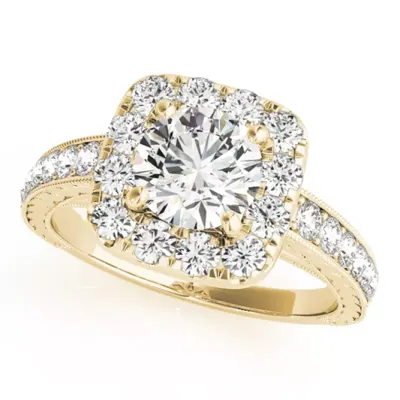
Not to be confused with diamond shapes, diamond cuts refer to the way light interacts with a diamond’s facets. On the other hand, diamond clarity refers to the grade assigned to a diamond based on its inclusions and imperfections. The fewer the imperfections, the higher the clarity grade the diamond will receive. Both diamond cut and clarity have a significant impact on a diamond’s overall appearance and cost, which is why they are two of the essential components of the diamond 4Cs.
When it comes to choosing an engagement ring, these two factors play a crucial role. Whether you are looking for the perfect balance of value and visual appeal, trying to stay within budget, or hoping to maximize sparkle, this guide will help you understand what really matters, and what doesn’t, so you can make your engagement ring buying experience both memorable and satisfying.
What Is The Best Diamond Clarity For Engagement Rings?
Before discussing the best diamond clarity for engagement rings, let’s first tackle the different grades available. Diamonds without imperfections are rare. Here, imperfections refer to internal inclusions within the diamond or blemishes on its surface. To help buyers assess these imperfections, the GIA Clarity Scale, developed by the Gemological Institute of America, provides a standardized way to understand how many and what types of flaws are present in a selected diamond.
Below, a quick overview of the different clarity grades along with the characteristics of their imperfections has been provided. However, it is recommended to review each grade in detail. Only with a complete understanding of diamond clarity grades can buyers determine how visible these imperfections may be and make an informed, confident diamond-purchasing decision based on that knowledge.

From this chart, the answer to the question, “What is the best diamond clarity for engagement rings?” may seem simple: the Flawless (FL) clarity grade. Technically, this is correct — but in reality, it is not an ideal choice for engagement rings. FL diamonds are extremely rare and come with a significantly high price tag.
Instead, the best options lie in the VVS1 to VS2 clarity range. These diamonds are typically “eye-clean,” meaning they appear flawless to the naked eye once mounted in an engagement ring setting. Even trained gemologists often have difficulty distinguishing between eye-clean clarity grades without the appropriate tools and magnification equipment.
If shopping on a budget, buyers can choose an eye-clean diamond graded lower, such as VS1 or VS2, instead of opting for a higher-priced VVS diamond, as it offers the same aesthetic appeal at a more affordable price.
What Is The Best Diamond Cut For Engagement Rings?
When buying diamonds for engagement rings, one of the most important things to check on the report is the cut grade. Diamond cuts help buyers determine the quality of the selected diamond and how well it has been fashioned. If the diamond’s proportions, polish, and symmetry are skillfully executed, light will reflect through the stone in just the right way, producing the signature sparkle and shine diamonds are known for.
Before we delve deeper into the best diamond cut for engagement rings, take a look at the different GIA cut grades available:

From this chart, it is clear that when a diamond is cut well, it significantly impacts both its overall beauty and its price. Well-cut diamonds offer optimal light return, enhancing their brilliance and sparkle — making them the best choice for engagement rings as well as other diamond jewelry. In fact, when the cut grade is ideal or higher, even a diamond with a lower clarity grade can still exhibit stunning brilliance and shine. For GIA-graded diamonds, buyers should look for the “Excellent” cut grade, while for IGI-graded stones, the equivalent is “Ideal.”
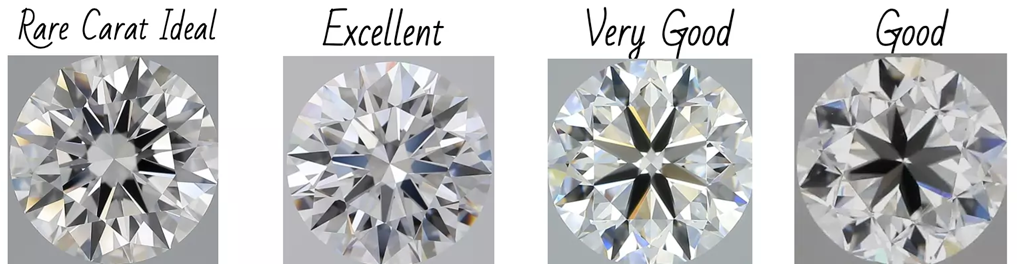
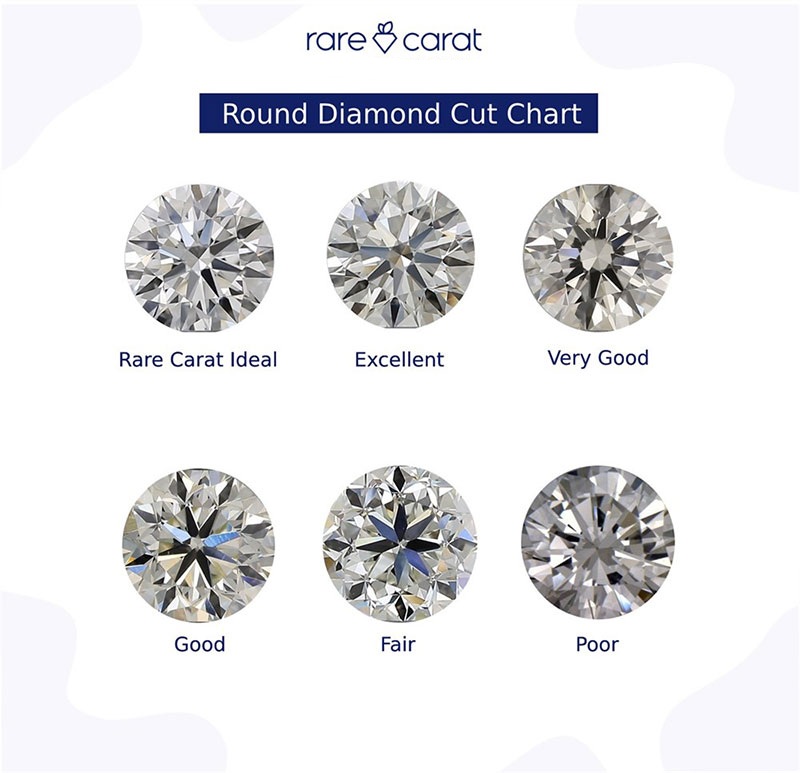
Here at Rare Carat, the available listed cut grades include:
Why Cut Matters More Than Clarity?
While clarity is important, cut is arguably the most influential factor in determining a diamond's overall appearance and sparkle. Even a Flawless (FL) diamond won’t exhibit the brilliance it’s known for if it’s poorly cut.
When cut is prioritized, overpaying for higher clarity becomes unnecessary. Buyers can choose an affordable, eye-clean diamond by selecting an appropriate cut, such as Rare Carat Ideal, Excellent, or Very Good.Typically, a well-cut diamond, even with a VS1 or SI1 clarity grade, can deliver the same impressive brilliance and sparkle as higher-clarity diamonds — but at a significantly lower cost.
What is the Best Combination of Cut and Clarity?
Now that you understand the role cut and clarity play in buying diamond engagement rings, and know which clarity and cut grades are best, let’s explore the most effective combinations for a more convenient shopping experience:
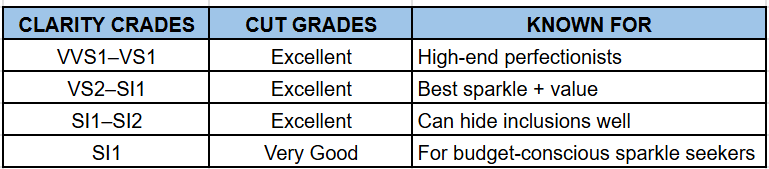
For buyers wondering, “Where can I compare VS1 vs. SI1 clarity diamonds across multiple stores?”, Rare Carat is a great place to start. We make finding the ideal VS1 or SI1 diamond for your engagement ring easy, with powerful filtering tools for accurate price comparison and finding the perfect match.
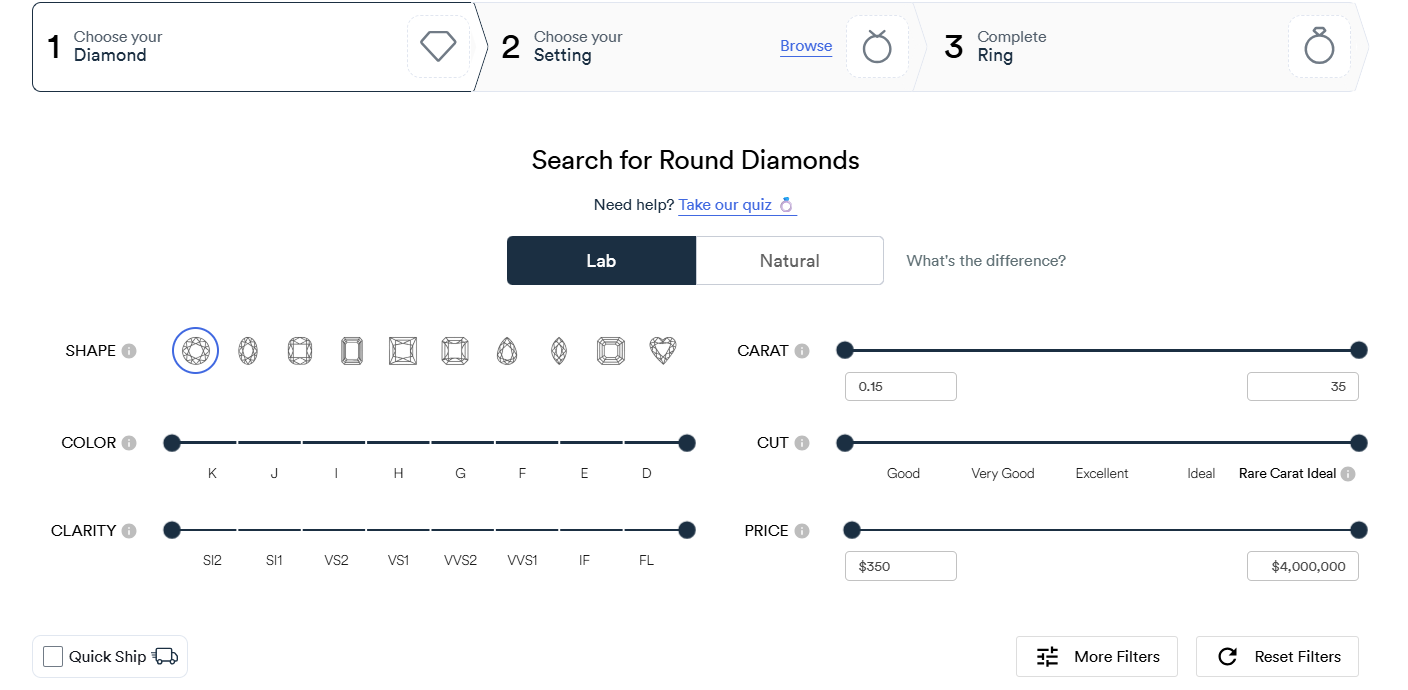
But before exploring the different cuts and clarity grades to discover the engagement rings of dreams, a bit on diamond shape should be discussed as choosing clarity grade based on the diamond's shape is necessary to hide the imperfections even better.
As of now, the only shape that received an official cut grade from both GIA (for natural diamonds) and IGI (for lab-grown diamonds) is the round brilliant. So, these are the options:
The inclusions in a round brilliant cut diamond are less visible due to its facet pattern. So, for diamonds under 1 carat, a clarity grade of VS2 or SI1 is a great choice for an eye-clean appearance. For round brilliant diamonds over 1 carat, a VS1 or VS2 clarity grade is recommended, as inclusions become more noticeable with increased carat weight.
For buyers wondering, “Which sites specialize in round brilliant diamonds with GIA grading?” or "Where can I compare cut quality and price per carat easily?", Rare Carat is a trusted platform offering an extensive collection of round cut diamonds, which also happens to be the most popular shape for engagement rings.
For other shapes, the diamond’s proportions, symmetry, and polish are key factors in determining how well it has been cut and how much sparkle it will exhibit. Step-cut diamond shapes, such as Emerald, Asscher, and Baguette cuts, have large, open table (top) surfaces, which make inclusions more easily visible, especially in lower clarity and cut grades. Therefore, it is recommended to choose an Ideal or Excellent cut with a clarity grade of VS2 or higher for these shapes.
On the other hand, shapes like Oval, Radiant, Cushion, Pear, Princess, and Marquise can hide inclusions well due to their faceting styles and overall brilliance. For these shapes, buyers can comfortably choose a clarity grade of SI1 to SI2, provided the cut is well-selected.
How to Get the Best Value?
With this guide, it’s now clear that when shopping for diamonds for engagement rings, buyers should consider both cut and clarity together, rather than viewing it as a choice between diamond clarity vs cut — as both play a significant role in a diamond’s overall beauty and value. If a higher cut grade is selected, buyers can confidently choose a more affordable, eye-clean diamond without compromising on visual appeal. When selecting a clarity grade, it’s also important to take the diamond shape into account, as different shapes reveal inclusions differently. Together, these considerations lead to a more informed, effective, and satisfying shopping experience.
At Rare Carat, buyers not only gain access to an extensive and well-curated collection of diamonds and ring settings, but also benefit from unbiased guidance provided by GIA-certified gemologists, supporting them at every step of their diamond-buying journey.