Tips and Tricks
What You Need to Know About Round Cut Diamonds
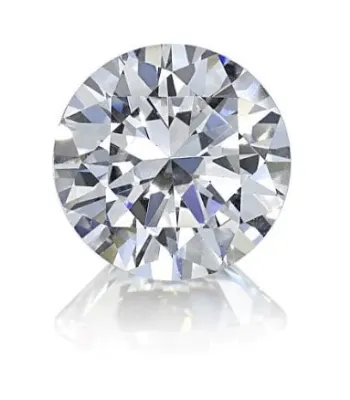
- Round diamonds are the most popular diamond shape.
- Manufacturers are aware of that, so it’s the shape they make the most. You’ll have a lot of choices.
- A lot of research has been done on round diamonds, so you’ll easily find tips on how to choose cut, clarity, and color.
- You can go lower on the color and clarity grade because rounds are great at hiding color hints and small inclusions. Just make sure to look at where the inclusions are located.
- Now dimensions; acceptable ranges would be from 54%-60% for the table, and 59%-63% for the depth.
- Due to the much higher demand, round diamonds are usually more expensive than their fancy-cut cousins.
Why is the round-cut diamond the most popular choice?
The round cut is classic and timeless—and because of that popularity, you’ll find a wide range of choices on the market. The round brilliant cut’s many facets (57 or 58) are optimized to return lots of light, giving maximum sparkle.
If I’m on a budget, can I still get a good-looking diamond by choosing slightly lower color or clarity in a round cut?
Often yes—because round cuts reflect light so well, many “near-colorless” or moderately included stones still look clean to the eye. As long as the cut is good and inclusions aren’t in obvious spots, you can find a nice balance between value and appearance.
Why are round diamonds more expensive than other shapes?
That’s because they’re in very high demand, and you lose more rough diamond material when cutting a round stone (so there’s more waste).
Not sure where to start? Read our guarantee

Round Cut Diamond FAQs