How To Clean Diamond Jewelry At Home?
A comprehensive guide on how to clean diamond jewelry safely at home
- Soak diamond jewelry in warm water + mild soap, then gently scrub with a soft toothbrush
- Avoid harsh cleaners (bleach, ammonia, toothpaste) to protect metals and stones
- Lab grown diamonds clean the same as natural diamonds—no special care needed
- Clean based on wear frequency; get professional cleaning twice yearly
- Check for loose stones before ultrasonic cleaning; consider a care plan for maintenance
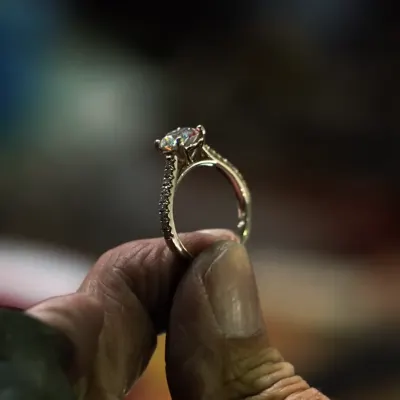
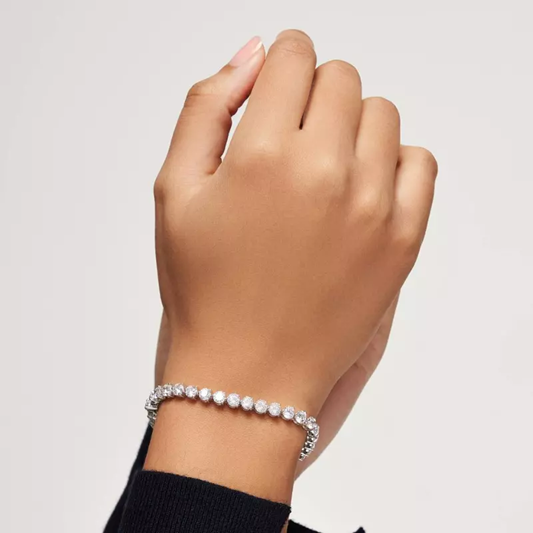
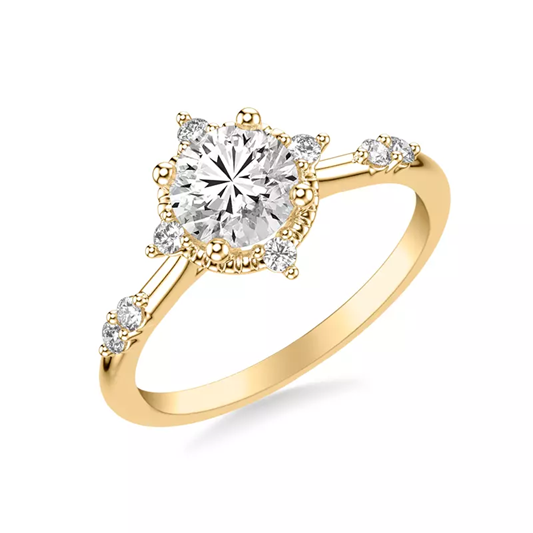
Just because diamonds are the hardest material on Earth doesn't mean they are immune to dirt, grime, or everyday wear and tear. Diamond jewelry — whether it’s an engagement ring, a tennis bracelet, or a pair of solitaire studs — is likely one of the most valuable and cherished pieces in your collection. Naturally, wanting to protect your investment and maintain its brilliance becomes a top priority.
Regular cleaning not only restores a diamond’s natural sparkle but also helps extend the life of the jewelry by minimizing the buildup of oils, dirt, and cosmetic residue. In this guide, Rare Carat presents safe, effective, and expert-recommended methods for cleaning your diamond jewelry at home. We've also addressed some of the most frequently asked questions about diamond care, helping you keep your treasured pieces looking as radiant as the day you received them.
What Are Safe At-Home Methods For Cleaning Diamond Jewelry?
- Warm Water + Mild Liquid Soup Mixture
Safe For: Diamond jewelry such as rings, earrings, necklaces, pendants, and bracelets set in platinum or 14/18K yellow gold/rose gold/white gold.
When it comes to cleaning diamond jewelry at home, it’s important to remember that the diamond isn’t alone in the setting. Many jewelry owners use common household products like toothpaste or Windex to make their diamonds sparkle. While these may seem effective, they can react with certain metals and potentially damage the setting.
That’s why taking the metal type into consideration is essential to ensure you’re cleaning the jewelry both safely and effectively.
Soaking your diamond jewelry in a mild liquid soap and warm water solution for 20-40 minutes, followed by gently brushing it with a soft-bristle toothbrush, is widely considered the safest and easiest at-home method. This mixture is non-abrasive, and the soft toothbrush prevents scratches or damage.
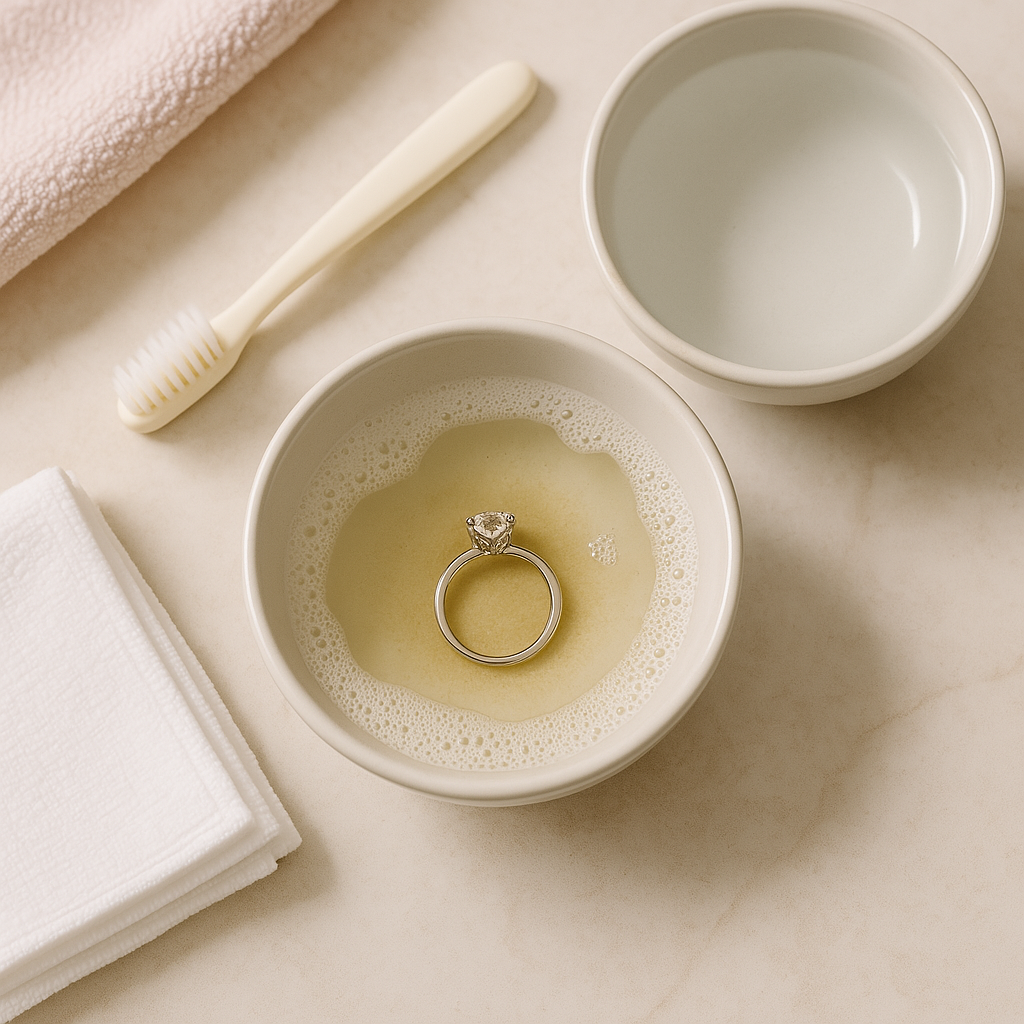
Please Note: This method is also ideal for antique pieces or diamond jewelry featuring softer gemstones, as it avoids the harshness of products like toothpaste or Windex and hydrogen peroxide solutions — keeping your pieces safe, clean, and radiant.
Want to master this simple at-home diamond jewelry cleaning method? Learn how to clean your diamond engagement ring safely and effectively using it.
- Water + Baking Soda Paste
Safe For: Solitaire rings/earrings/pendants and tennis bracelets set in platinum or solid gold (yellow, white, or rose)
Not Recommended For: Soft, porous gemstones, fragile antique settings, plated jewelry, and jewelry with delicate filigree, as baking soda can wear these down.
This method is quite simple. Start by making a thick paste by mixing 3 parts baking soda with 1 part room-temperature water. Use a soft-bristle toothbrush to gently apply the paste to your diamond jewelry and leave it on for 5 to 10 minutes max.
Be sure to apply the paste behind the settings and around the prongs, as these areas tend to accumulate the most dirt and grime. Then, rinse the jewelry under warm running water and pat it dry with a soft, lint-free cloth.
Please Note: While this method is popular and safe for certain types of diamond jewelry, the first option (mild dish soap and warm water) remains the safest and most reliable method for cleaning diamonds at home.
Do Lab Grown Diamonds Require Different Cleaning Methods?
No, lab grown diamonds do not require different cleaning methods than natural diamonds. Both share the same hardness (10 on the Mohs scale), as lab grown diamonds are physically, chemically, and optically identical to mined diamonds. Therefore, the same at-home cleaning methods discussed above for natural diamonds are equally applicable to lab grown ones.
Please note: When cleaning lab grown diamond jewelry, it is important to consider any additional gemstones and the type of metal in the setting (just as you would with natural diamonds) to ensure the cleaning process is both effective and safe.
How Often Should Diamond Rings And Earrings Be Cleaned?
It doesn't matter whether it's a ring, earrings, or a necklace — instead of focusing on the type of diamond jewelry, you should pay attention to how often you wear it. The chart below outlines the recommended cleaning schedule based on wear frequency and is designed to help you maintain the brilliance and longevity of your diamond jewelry with ease.

Staying consistent with care can significantly preserve both the appearance and longevity of your jewelry. This is why an annual professional check-up and cleaning is recommended, even if regular at-home cleaning is part of your routine.
What Are The Signs Your Diamond Jewelry Needs Professional Cleaning?
Deep cleaning is essential to ensure your diamond jewelry continues to look as brilliant and pristine as the day you got it. While regular at-home cleaning is important, it may not always be enough, especially when buildup accumulates in hard-to-reach areas. In such cases, only a professional can provide the thorough clean your piece truly needs. Opting for professional cleaning twice a year is a best practice that helps maintain both the beauty and structural integrity of your jewelry.
On the other hand, there are certain definite signs your diamond jewelry may give off that indicate it’s time for a professional cleaning, including:
- Jewelry appears dull or unclean even after regular at-home cleaning
- Noticeable dirt buildup around hard-to-reach areas or prongs
- Loss of brilliance or sparkle
- Damaged settings or loose stones
- Jewelry feels sticky or rough to the touch
Experienced professionals use their knowledge and skills to clean diamond jewelry safely and effectively with specialized equipment such as high-pressure steam cleaners and ultrasonic cleaners.
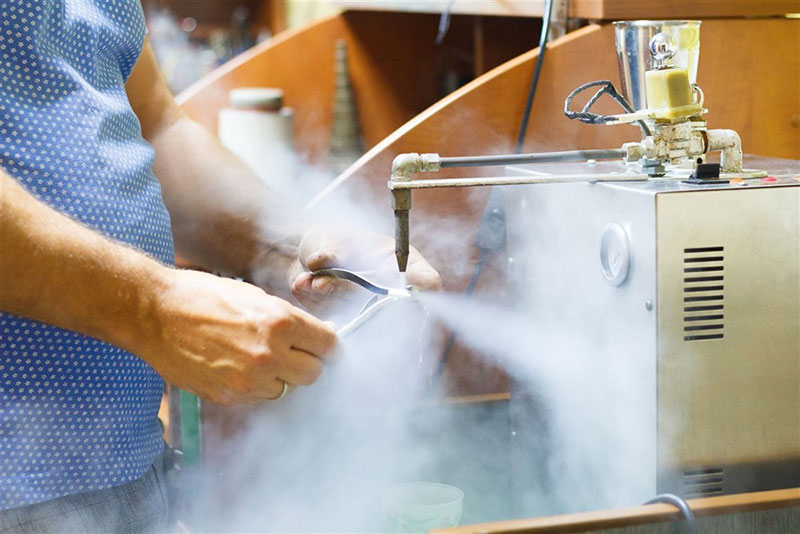
Are ultrasonic cleaners safe for all types of diamond settings?
Jewelers are known for using ultrasonic machines to clean diamond jewelry. However, many fear that the sound waves these machines create — which vibrate every tiny particle of oil, dust, and grime out from hard-to-reach places — may loosen the diamond from its setting. There is a high probability of this happening when the diamond is not secured properly in the setting. Professionals carefully check each piece of jewelry with specialized devices to ensure everything is in order before using ultrasonic machines to clean the diamond jewelry.
Thus, giving your diamond jewelry for professional cleaning twice a year or having an effective Care Plan is recommended to ensure there is no risk of losing the diamond — either at home or during professional cleaning.
Are There Subscription Or Care Plans For Jewelry Maintenance?
While diamond jewelry insurance protects the piece against damage, loss, and theft, a care plan covers cleaning, maintenance, and repairs, addressing issues like resizing, worn prongs, and loose or missing diamonds. At Rare Carat, you have the option to purchase a care plan as a one-time payment during checkout.
Additionally, Rare Carat offers a 30-day return policy, free resizing within the first year (excluding eternity bands), and a lifetime warranty against manufacturing defects.
What Materials Or Practices Should Be Avoided When Cleaning Diamonds?
Not all jewelry cleaners available on the market are chemical-free — and for this reason, they are not recommended for diamond jewelry. Harsh chemicals like bleach, chlorine, or ammonia should be avoided at all costs to ensure the safety of not only the diamond and any accompanying stones but also the metal setting. These chemicals can quickly break down or tarnish your precious jewelry upon contact. Similarly, avoid Acetone or nail polish remover as prolonged use may cause discoloration.
So, before you begin cleaning your diamond jewelry, be sure to read our blog on The Ultimate Dos and Don’ts of Diamond Engagement Ring Care to understand how to proceed safely and effectively.
We hope this guide helped you understand just how simple it can be to clean your diamond jewelry at home — and why occasional professional cleanings are equally important. For more expert advice, tips, and tricks on diamonds and jewelry care, be sure to explore our blog page.