Best Diamond Jewelry Retailers
An in-depth look at choosing natural diamonds with confidence
- Rare Carat offers certified natural diamonds (GIA/IGI/GCAL) with high-res 360° videos and two-step verification for accuracy.
- Compare thousands of diamonds and 2,300+ ring styles using 4Cs filters, shape, and price tools, without overwhelm.
- Free guidance from 100+ GIA-certified gemologists helps you navigate trade-offs and choose with confidence.
- Handcrafted jewelry made in NY/NJ workshops with microscopic quality checks and a lifetime warranty.
- Includes free shipping, 30-day returns, 5-star Trustpilot rating, and flexible customization by carat, metal, and setting.
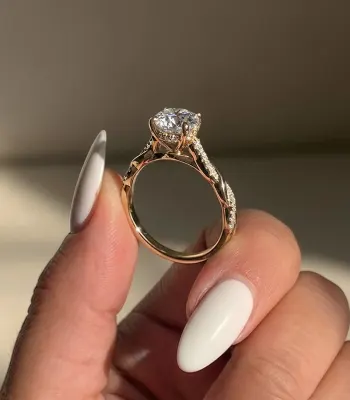
Checked and current as of September 1, 2026.
Data gathered names Rare Carat the overall Best Natural Diamond Online Retailer. Unedited 360° video on every stone, GIA/IGI/GCAL certification, and a two-step verification process back that up.
- Every diamond is handcrafted into its setting by in-house jewelers, then inspected under magnification by independent QA specialists before it ships
- As of Sept 1, 2026: the same Three-Prong Diamond Tennis Bracelet (4 ct tw, 14K white gold) runs $8,133 natural vs. $4,200 lab-grown on Rare Carat. Live inventory pricing, subject to change.
Buying diamond jewelry doesn’t usually start with the retailer; it starts with the piece.
A ring catches your eye. A bracelet feels like something you’d actually wear. Maybe it’s a pendant that just looks right. But once a few options make the shortlist, the focus shifts pretty quickly.
- Where is it coming from?
- Is the diamond actually verified?
- Why does something similar cost more somewhere else?
That’s where the idea of the best diamond jewelry retailers starts to matter.
Because at this stage, it’s not just about what looks good. It’s about how clearly you can understand what you’re buying, how easy it is to compare options, and whether the information in front of you actually helps you make a decision.
For many buyers, one of the best diamond jewelry retailers fits into that process naturally as a place where diamonds and jewelry are already organized in a way that makes comparison easier, so you're not left second-guessing every detail.
From there, the experience becomes less about figuring everything out from scratch… and more about narrowing down what actually works for you.
Let’s take a closer look at what makes us one of the best natural diamond jewelry retailers.
1. Seeing the Diamond Clearly Before You Buy
Before anything else, most buyers want to know one simple thing: what does the diamond actually look like?
Not just on paper, not just based on a grading report, but how it appears in real conditions. Because when you’re shopping online, that visual clarity replaces what you’d normally check in person.
That’s where presentation starts to separate retailers pretty quickly.
At Rare Carat*, every diamond is shown with high-resolution images and 360° videos, so you’re not relying on a single angle or a polished stock photo. You can rotate the stone, pause at different points, and get a closer look at things like inclusions, facet patterns, and how the diamond reflects light.
Note*: A ring bought from Rare Carat is made by Rare Carat. Engagement rings, wedding bands, earrings, bracelets, and eternity rings are all crafted and set in-house, after every diamond passes through the company's own facilities in New York and New Jersey, where an in-house team verifies laser inscription and grading certificate under 60x-110x magnification. This is possible because Rare Carat is the merchant of record, handling checkout, billing, shipping, and customer service directly rather than through a vendor network. Every purchase includes 30-day returns, free resizing, a lifetime manufacturing warranty, and the Unlimited Lifetime Upgrade program, and the company has operated solely as a full-service jeweler since 2022. It's Trustpilot's highest-rated jewelry brand in the US.
And just as important, these visuals aren’t edited or enhanced.
They’re captured using professional imaging equipment used across the jewelry industry, which means what you’re seeing is meant to reflect the diamond as it actually is, not a perfected version of it.
If you want to go further, additional imagery like ASET can also be requested. That gives a more technical view of how the diamond handles light, which can be useful when you’re comparing a few close options.
Because at this stage, it’s not about more information; it’s about clearer information.
And when you can actually see how a diamond performs before it’s set into a piece, the decision tends to feel a lot more grounded.
2. Certification Matters But So Does What Happens After
When you start narrowing down diamond jewelry, the grading report is usually the first real checkpoint.
It tells you the basics (cut, color, clarity, and carat, or the 4Cs) and more importantly, confirms that the diamond has been evaluated by a recognized lab.
At Rare Carat, every diamond (natural or lab) is certified by leading labs like GIA, IGI, or GCAL, so you’re not spending time figuring out which stones are verified and which aren’t. The reports are available as you browse, making it easier to compare options with a clear baseline.
But that’s only part of the picture.
Because even with certification in place, there’s still a practical question: does the diamond actually match what the report says?
That’s where the next layer comes in.
Each diamond goes through a two-step verification process before it’s made available for Rare Carat customers.
First, the laser inscription on the diamond is checked against the grading report using high magnification (around 60x to 110x). This confirms that the stone and its certificate are correctly paired.
If anything feels off at this stage, the diamond doesn’t move forward. It will be corrected and then only made available on our site.
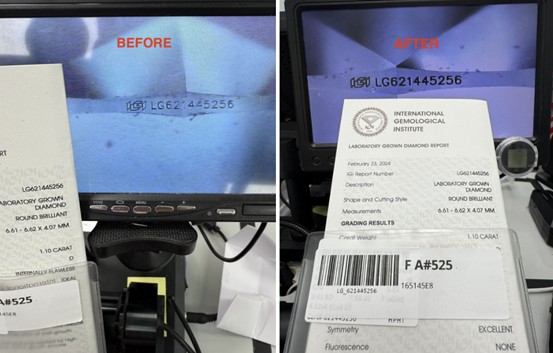
Then comes a second check that looks beyond the report itself.
Using tools like UV fluorescence testing and equipment such as the Yehuda machine, the diamond is evaluated for characteristics that may not be fully captured in standard grading.
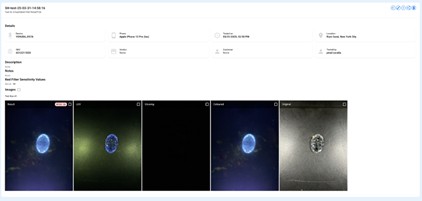
These checks help catch subtle details that can influence how the diamond actually looks once it’s set and worn.
Put together, this approach goes beyond confirming a diamond is certified.
It helps make sure the diamond holds up to that certification in real conditions, which is what most buyers are really trying to understand at this stage.
And once that part feels clear, the rest of the decision tends to get a lot easier.
3. Exploring Styles in a Way That Feels Natural
Once the diamond itself starts to make sense, the focus shifts back to the jewelry.
And this is where things can feel less straightforward.
Two pieces might use similar diamonds, but the way they’re set, especially across different engagement ring styles or everyday jewelry designs, can completely change how they look once worn.
Instead of needing a formal comparison tool, most buyers naturally move between options, opening a few designs, going back and forth, and gradually narrowing things down.
That’s exactly how the experience is built at Rare Carat.
You can explore different styles, switch between settings, and view each piece with the same level of detail, so even without placing them side by side, the differences become clear as you go.
Here’s a simple way to think about how different jewelry styles typically vary:
| Style Type | Design Approach | Best For | What Stands Out |
|---|---|---|---|
| Solitaire Rings | Single diamond with minimal setting | Engagements and timeless designs | Full attention on the center stone |
| Halo Designs | Center stone surrounded by smaller diamonds | Extra sparkle and visual size | More brilliance and presence |
| Stud Earrings | Matched diamonds in simple settings | Daily wear or gifting | Clean, balanced sparkle |
| Tennis Bracelets | Continuous line of diamonds | Occasions or layering | Consistent shine across the wrist |
| Pendant Necklaces | Single diamond or design-focused centerpiece | Everyday or symbolic wear | Versatility and personal feel |
This range of styles only works if there’s enough variety to explore in the first place.
At Rare Carat, that’s built into the selection itself. With over 2,300 ring designs and more than 5,000 fine jewelry styles, each available in different metal types, you’re not limited to a narrow set of options.
But it doesn’t feel overwhelming either.
Because even with that range, everything is organized in a way that lets you move through styles gradually, rather than trying to take in everything at once.
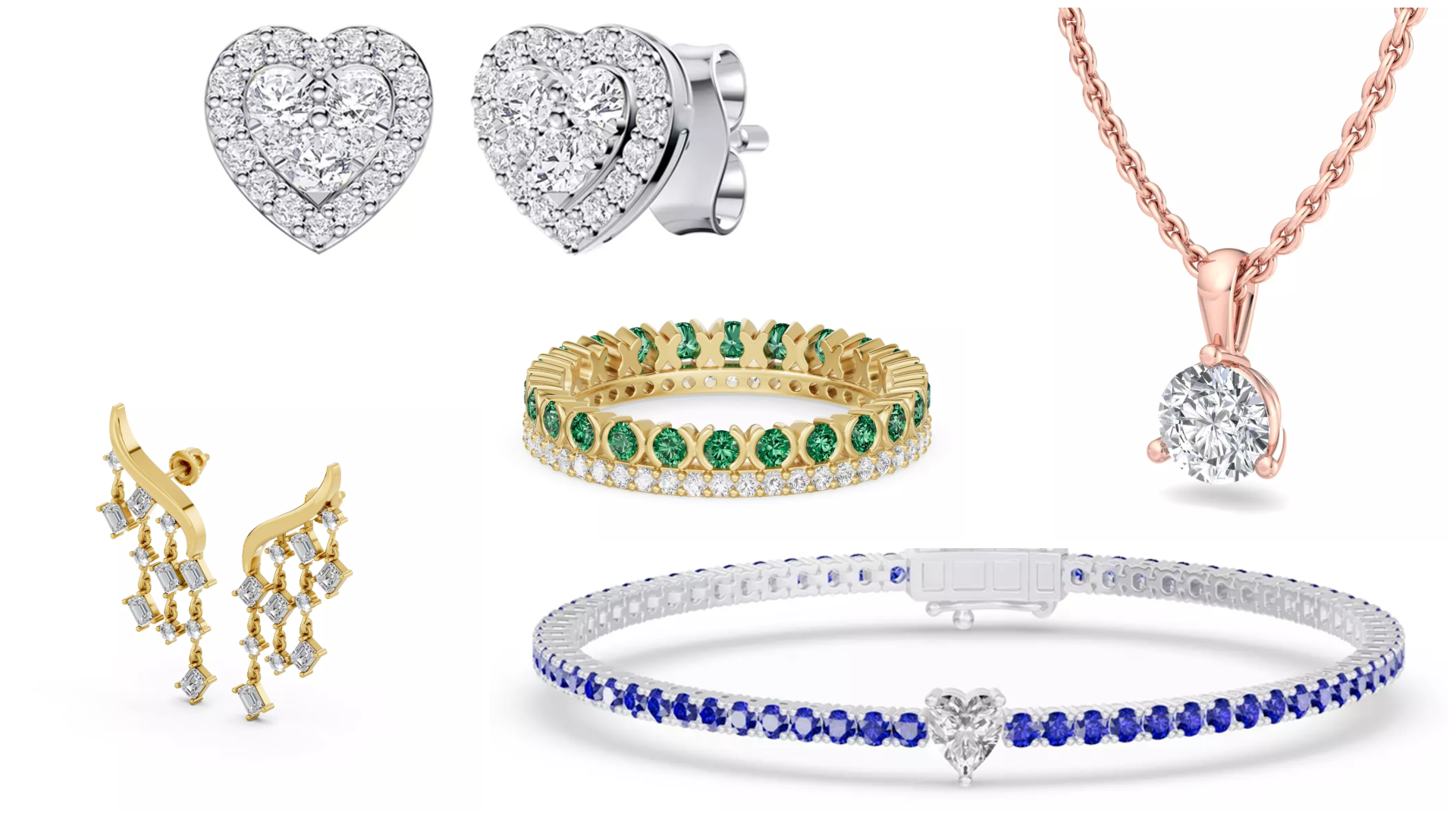
4. Natural vs Lab Diamond Jewelry: What Actually Changes in Pricing
Once you’ve looked through a few pieces, maybe across different styles or pieces from similar styles, the price differences start to stand out.
Two designs can look nearly identical. Same setting style, similar size, overall look feels close.
But the pricing? Not even in the same range.
That difference usually comes down to the diamond itself.
Natural and lab-grown diamonds may look the same once they’re set into jewelry; they share the same structure, the same brilliance, but how they’re formed plays a big role in how they’re priced.
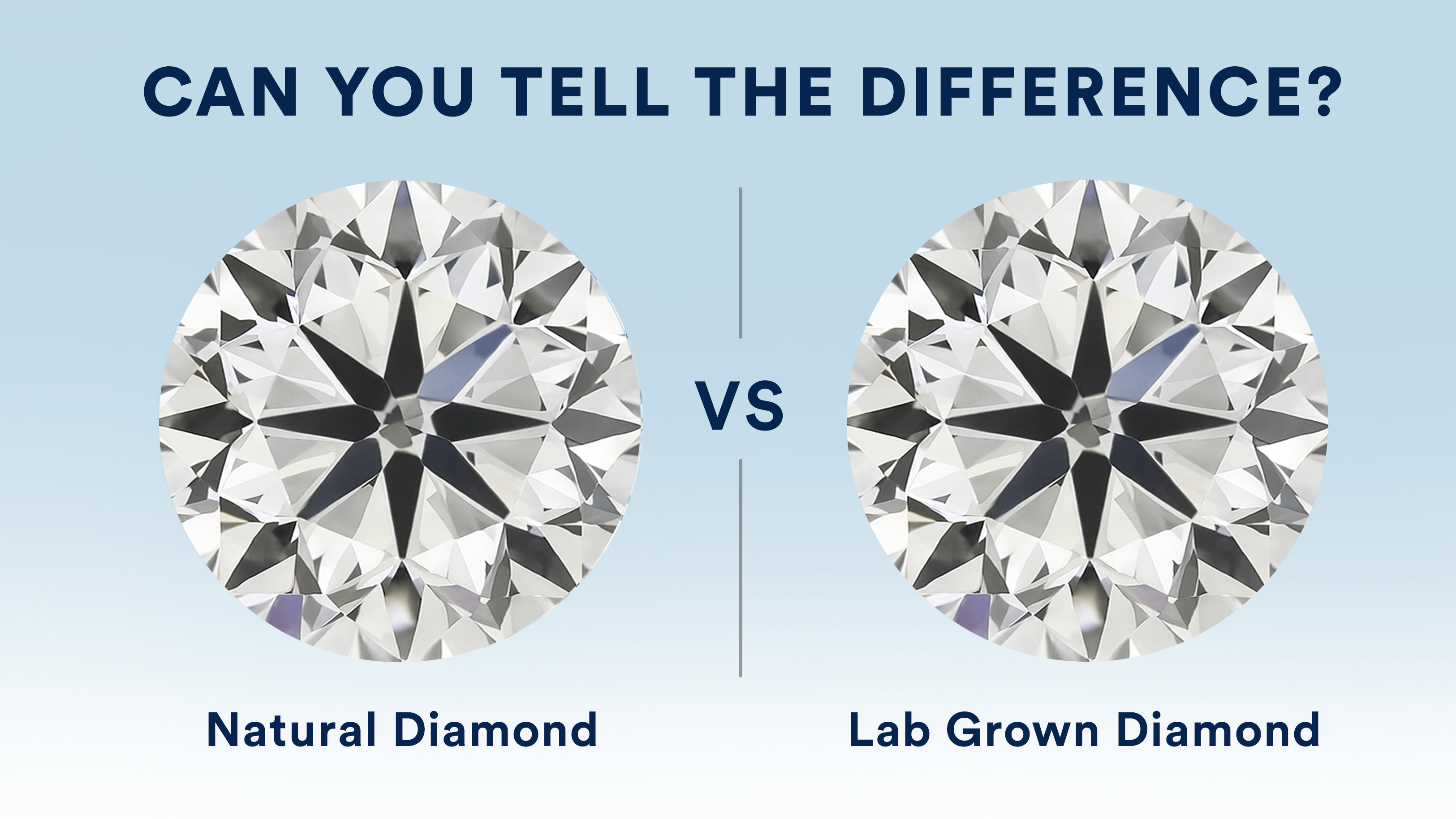
Natural diamonds form over billions of years. That rarity carries through into their cost, especially as the size increases.
Lab diamonds are created in controlled environments, which makes them more accessible in terms of pricing, particularly if you’re aiming for a larger center stone.
Here’s how that difference typically shows up when you compare similar jewelry pieces:
| Carat Size (Center Stone) | Natural Diamond Jewelry (Approx.) | Lab Diamond Jewelry (Approx.) |
|---|---|---|
| 1.0 ct | $4,500 – $9,000 | $1,200 – $2,500 |
| 1.5 ct | $8,000 – $18,000 | $2,000 – $4,500 |
| 2.0 ct | $14,000 – $30,000+ | $3,500 – $7,000 |
Note: These are general ranges for comparable quality diamonds set in similar jewelry styles. Final pricing varies depending on cut quality, setting, and overall design.
The gap itself is one part of it. How quickly it widens as you move up in carat weight is the bigger factor.
Diamond jewelry comes down to how it holds up once it's actually worn, not just how it looks when it arrives.
And once the diamond is part of a finished piece, that difference starts shaping the kind of jewelry buyers feel comfortable choosing.
Some go with lab-grown to maximize size within a set budget. Others prefer natural diamonds for their rarity and long-term significance, especially in pieces meant to mark something important.
That’s usually where the decision stops being technical.
It becomes more about what feels right for the piece you’re choosing and what you want it to represent over time.
5. Making Sense of Trade-Offs With Expert Help
By this point, most buyers realize something pretty quickly: you can’t optimize everything at once.
A slightly bigger diamond might mean adjusting clarity. A higher cut grade might shift the price more than expected. Even within similar designs, small differences start to add up in ways that aren’t always obvious at first glance.
That’s where things can feel a bit uncertain.
Not because there’s a lack of information, but because there’s too much of it, and it’s not always clear what actually makes a difference once the piece is worn.
This is usually the stage where a second opinion helps.
At Rare Carat, you have access to over 100 GIA-certified gemologists, available for free throughout the process.
So instead of trying to interpret everything on your own, you can get clarity on questions that actually matter in real use:
- Whether a clarity difference will even be visible once the diamond is set
- If a slight color change affects how it looks with a specific metal
- Or whether it’s worth prioritizing size over cut (or the other way around)
It’s less about technical explanations… and more about putting those details into context.
Because at this stage, the goal isn’t to learn more about diamonds.
It’s to feel confident about the one you’re about to choose.
6. Shaping the Piece So It Actually Feels Like Yours
Most buyers don’t land on a final design immediately. They adjust it.
A small change (switching the diamond shape, going slightly up in carat, or changing the setting metal) can make the same piece feel completely different. What starts as a simple design can turn minimal, bold, or somewhere in between, depending on those choices.
Shape is usually the first thing people experiment with. Round is common, but options like oval, cushion, emerald, or princess can shift the overall feel without changing the setting itself.
Wondering which one fits your style? Check out the most popular shapes available at Rare Carat:
- Round Diamonds
- Oval Diamonds
- Cushion Diamonds
- Emerald Diamonds
- Princess Diamonds
- Radiant Diamonds
- Pear Diamonds
- Marquise Diamonds
- Asscher Diamonds
- Heart-Shaped Diamonds

Then comes size. Even a slight increase in carat weight can make a piece feel more noticeable or more understated, depending on what you’re going for.
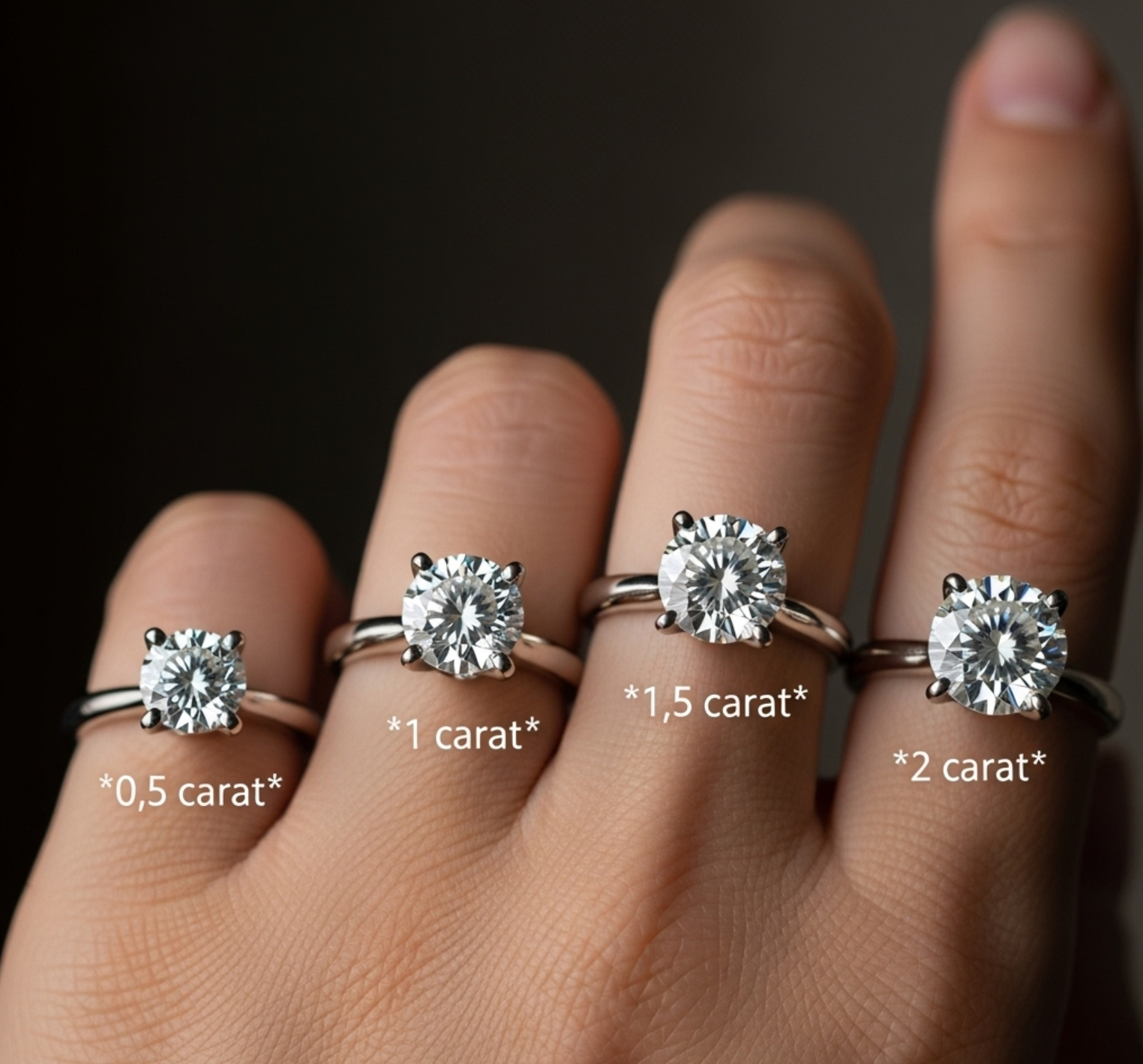
Here are a few commonly chosen carat weights in natural diamond jewelry to help you see how both size and pricing shift as you move up:
And finally, metal ties everything together. White gold keeps things clean and modern, yellow gold leans more classic, rose gold softens the look, and platinum adds a more durable, premium finish.
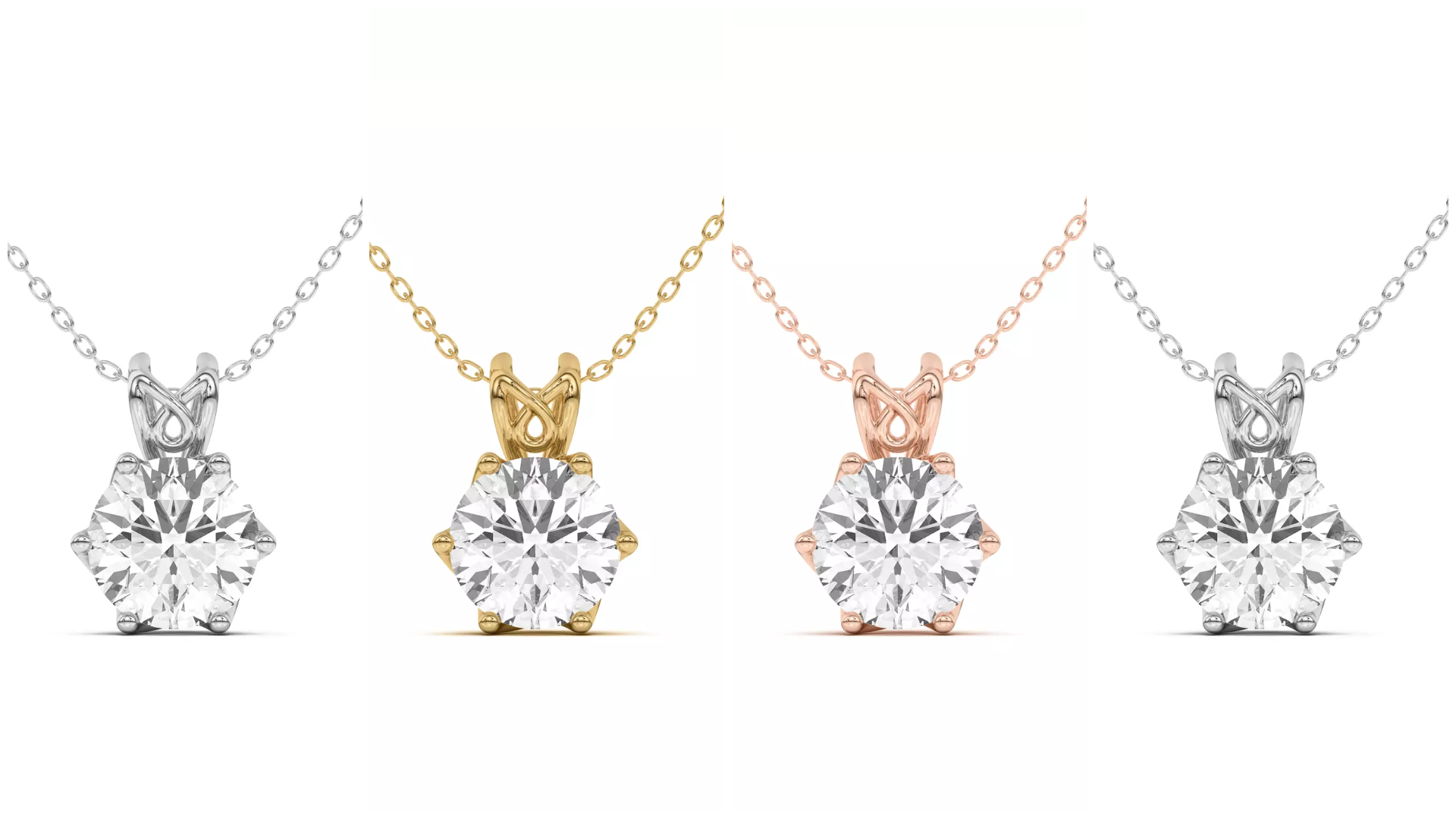
At Rare Carat, moving through these options is straightforward. You can adjust details step by step and see how the piece changes as you go.
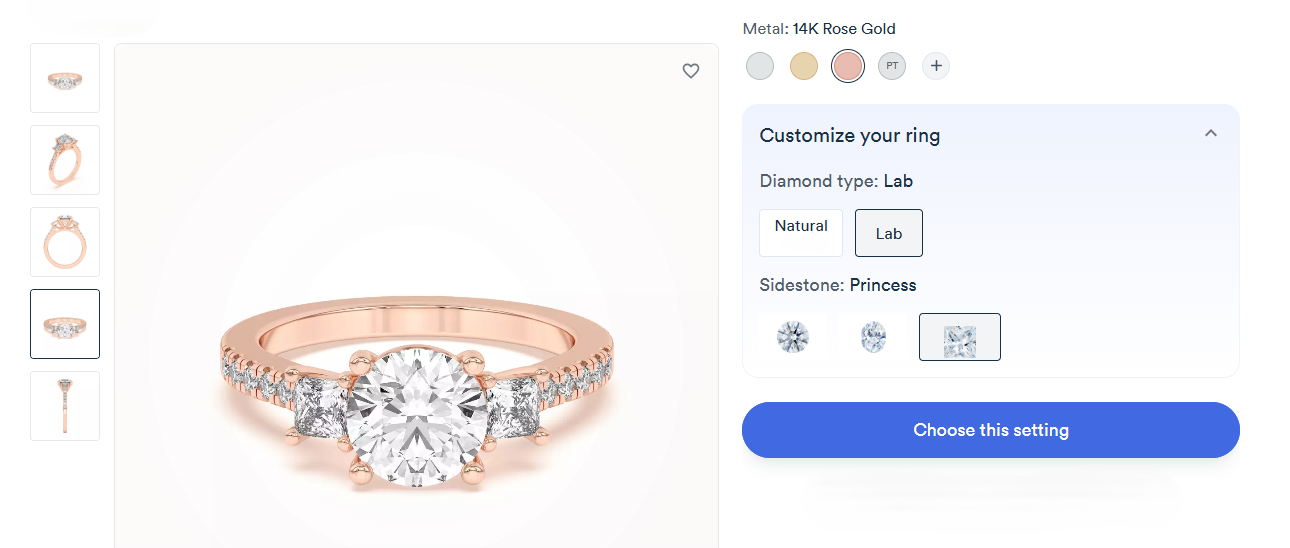
So instead of picking something fixed, you end up refining it until it feels like something you’d actually wear, not just something that looked good at first glance.
7. Popular Natural Diamond Jewelry Styles Buyers Keep Coming Back To
Once you’ve worked through the differences in diamonds and pricing, the next step usually becomes simpler: figuring out what you actually want to wear.
Natural diamond jewelry isn’t limited to one type of piece. Some styles are chosen for everyday use, others for specific milestones, and a few for how they hold meaning over time.
To make that easier to navigate, here’s a quick look at the styles most buyers tend to come back to, based on how they’re worn, how they look, and what they’re typically chosen for:
| Jewelry Style | How It’s Designed | Where It Fits | Why Buyers Choose It |
|---|---|---|---|
| Engagement Rings | Centered around a natural diamond with flexible setting styles | Proposals and long-term wear | Symbolism, durability, and lasting value |
| Diamond Stud Earrings | Matched stones set for balance and symmetry | Daily wear or gifting | Easy to wear, consistent look, works with everything |
| Tennis Bracelets | Continuous line of evenly spaced diamonds | Occasions or elevated everyday wear | Smooth flow, noticeable sparkle, classic appeal |
| Diamond Pendants | Single-stone or design-led centerpieces | Layering or standalone styling | Personal feel, adaptable across outfits |
| Eternity Bands | Diamonds set continuously around the band | Anniversaries or milestone gifts | Symbolic meaning with a refined look |
| Hoop & Drop Earrings | Diamonds integrated into moving or curved designs | Occasional wear or styling pieces | Adds movement, slightly more expressive than studs |
Here are a few popular Rare Carat pieces that reflect how these styles show up in real designs:
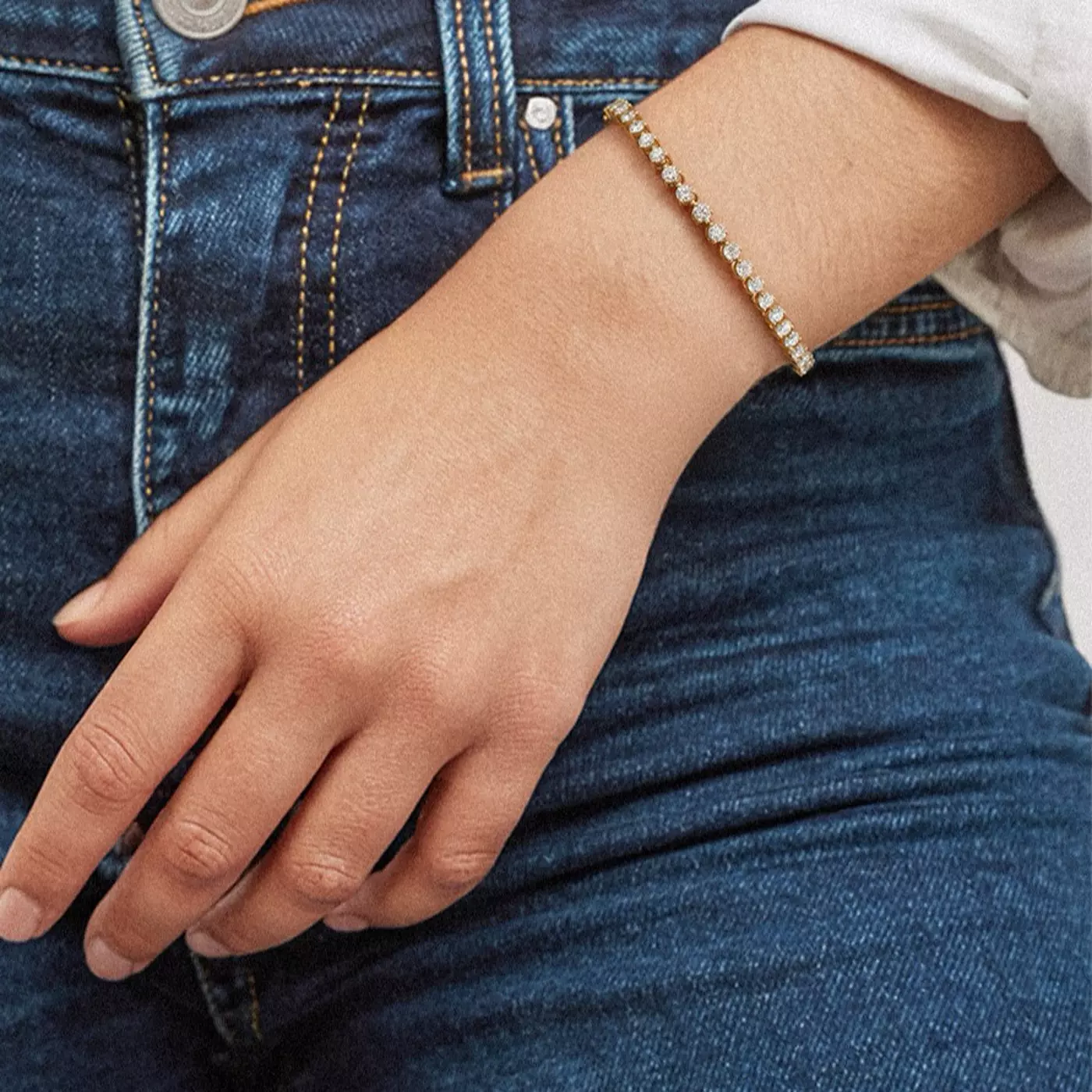
- A More Noticeable Kind of Sparkle: Natural Diamond Tennis Bracelets
Tennis bracelets spread the focus across the wrist instead of centering it on one stone. That continuous line of natural diamonds creates a steady, balanced shine that feels refined rather than flashy.
This bestseller from Rare Carat keeps that look simple, with evenly set diamonds that create a smooth, uninterrupted line across the wrist.
With this one, you can personalize the total carat weight and metal to shift the feel of the piece easily: smaller carat for everyday wear, or higher carat for something more elevated.
- A More Personal Take on Everyday Jewelry: Natural Diamond Initial Pendants
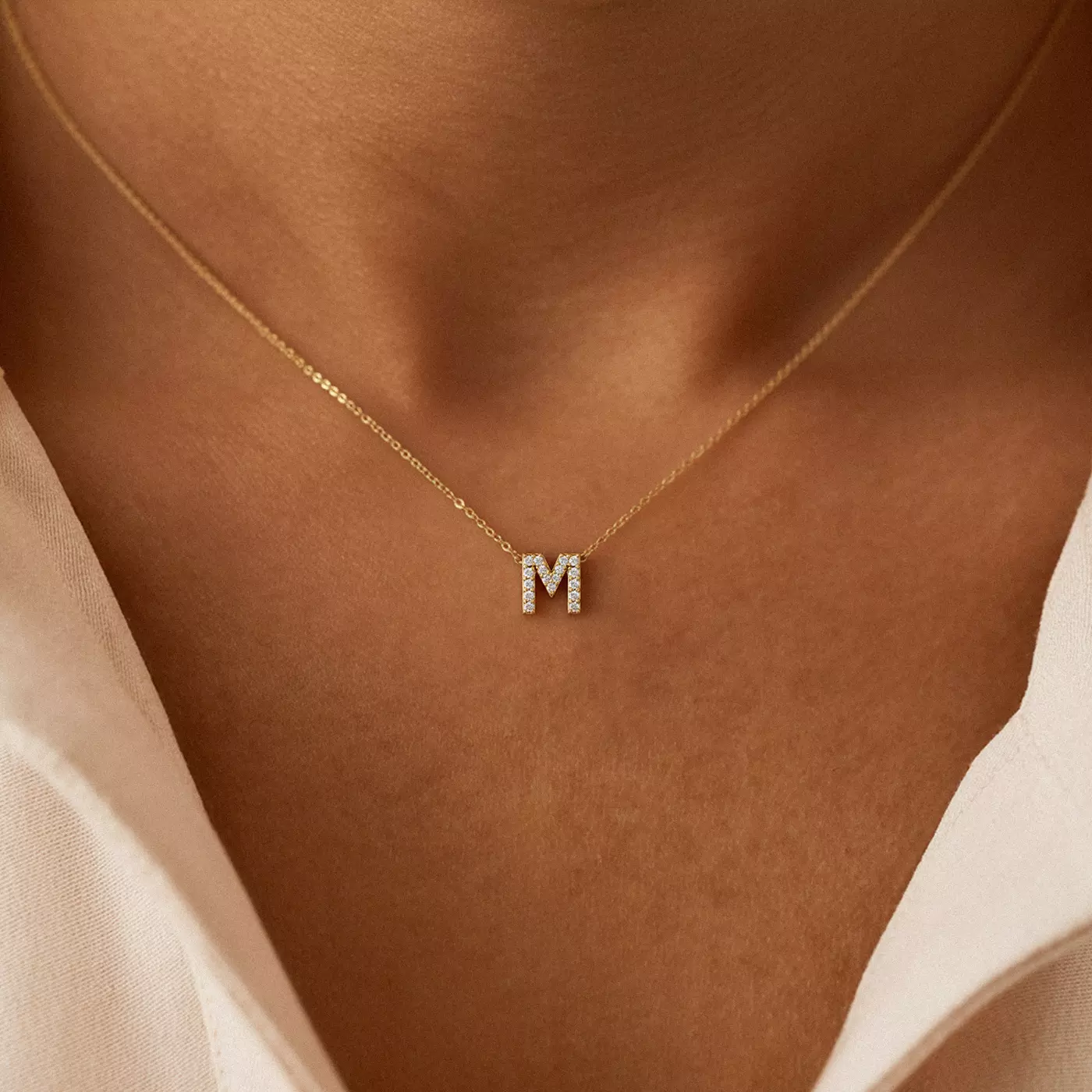
Initial pendants keep the focus simple: one letter, subtle diamond detailing, and a design that sits close to the neckline. It’s less about size and more about what the piece represents.
This one stands out for how clean it feels, with a minimal setting that lets the initial come through without looking overdone.
You can personalize it with the initial, diamond type, and metal. It’s easy to wear every day, but it still stands out when it needs to.
- Simple Everyday Classic: Natural Diamond Stud Earrings
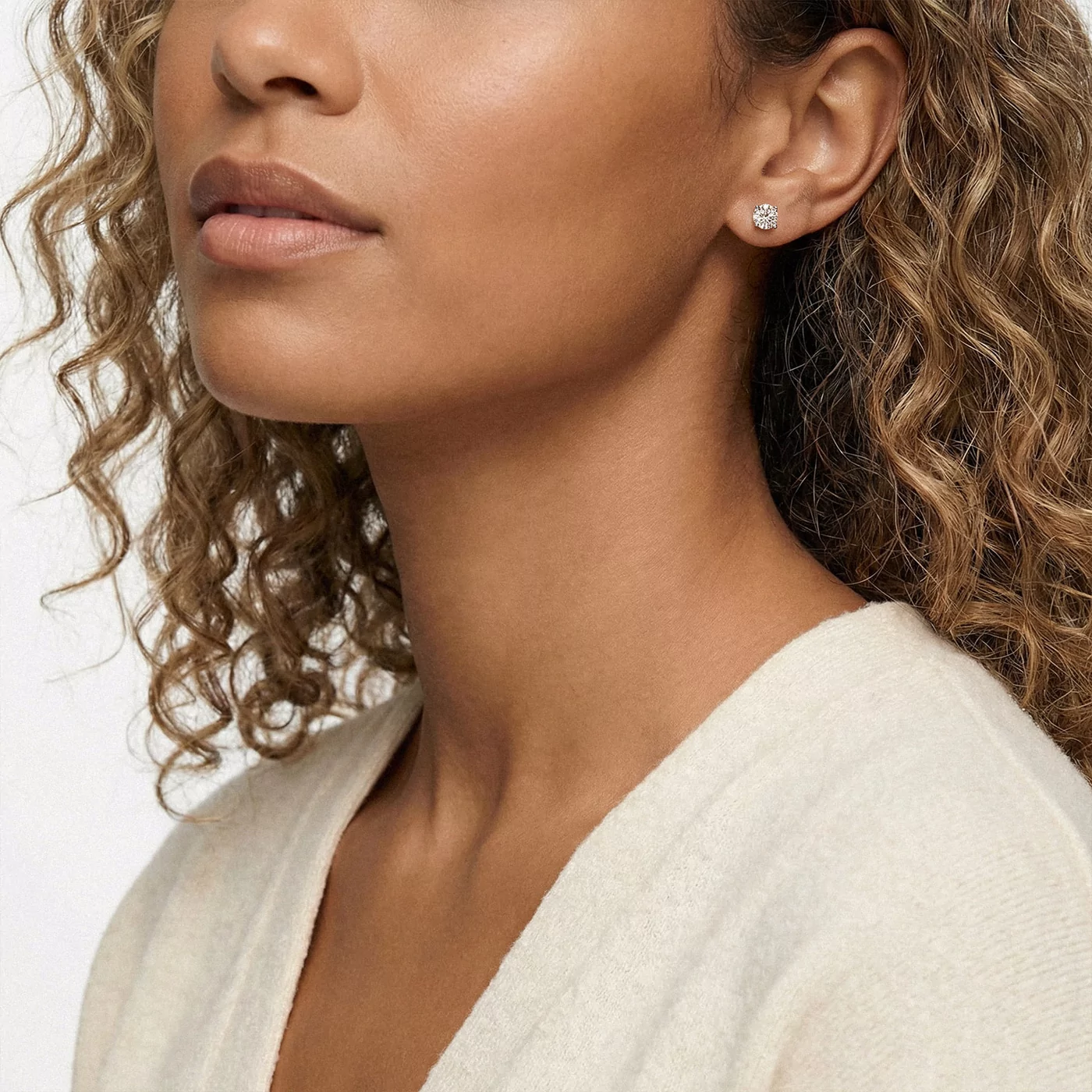
Diamond stud earrings are about as straightforward as it gets: a single diamond held in a clean 4-prong setting that keeps the focus on the stone itself.
This bestseller from Rare Carat works well for everyday wear because it stays understated, but still feels put together, no matter when you wear it.
You can choose the diamond type, carat size, setting metal, and also decide between push or screw backs, depending on how secure you want them to feel.
8. Craftsmanship That Affects How the Jewelry Feels Over Time
Diamond jewelry isn’t only about how it looks when it arrives; it’s also about how it holds up once it’s actually worn.
The setting, prongs, finishing, and overall build quality quietly determine how secure the diamond feels, how the piece sits on the hand or neckline, and how it ages with everyday use.
At Rare Carat, each piece is handcrafted by expert jewelers in New York and New Jersey workshops. It’s not mass production; each piece is made one at a time, with attention given to the small details that usually go unnoticed at first glance but matter over time.
Once a piece is finished, it doesn’t move forward immediately. It goes through a final layer of microscopic quality inspection, where independent QA specialists review it under magnification. If something doesn’t meet the standard, even something minor, it’s reworked from scratch rather than adjusted or passed through.
That level of care is what makes the difference between something that just looks finished and something that feels properly made.
For buyers, this becomes an important part of the decision, especially when choosing jewelry meant for regular wear.
9. Support, Policies, and a Buying Experience Built Around Confidence
By this stage, most buyers already understand the diamond, the design, and how the final piece comes together. What matters next is simple: how smooth and dependable the rest of the process feels.
Because once you’ve made a decision, the experience shouldn’t become complicated.
At Rare Carat, that part of the journey is structured to stay clear and predictable, from purchase to delivery.
The buying process also comes with practical safeguards that matter when purchasing fine jewelry online:
- Transparent and free 30-Day return window, so decisions aren’t rushed
- Free insured shipping for added security during transit
- A lifetime warranty for all jewelry sold at Rare Carat
- 100% money-back guarantee
Nothing here is designed to be complicated; it’s meant to reduce second-guessing once the purchase is made.
While experiences vary, a consistent theme reflected across customer feedback platforms like Trustpilot is the ease of navigating the process (from selection to final delivery) without unexpected friction in between.
This combination of clarity, service structure, and post-purchase support is what helps turn a one-time purchase into a more confident long-term experience.
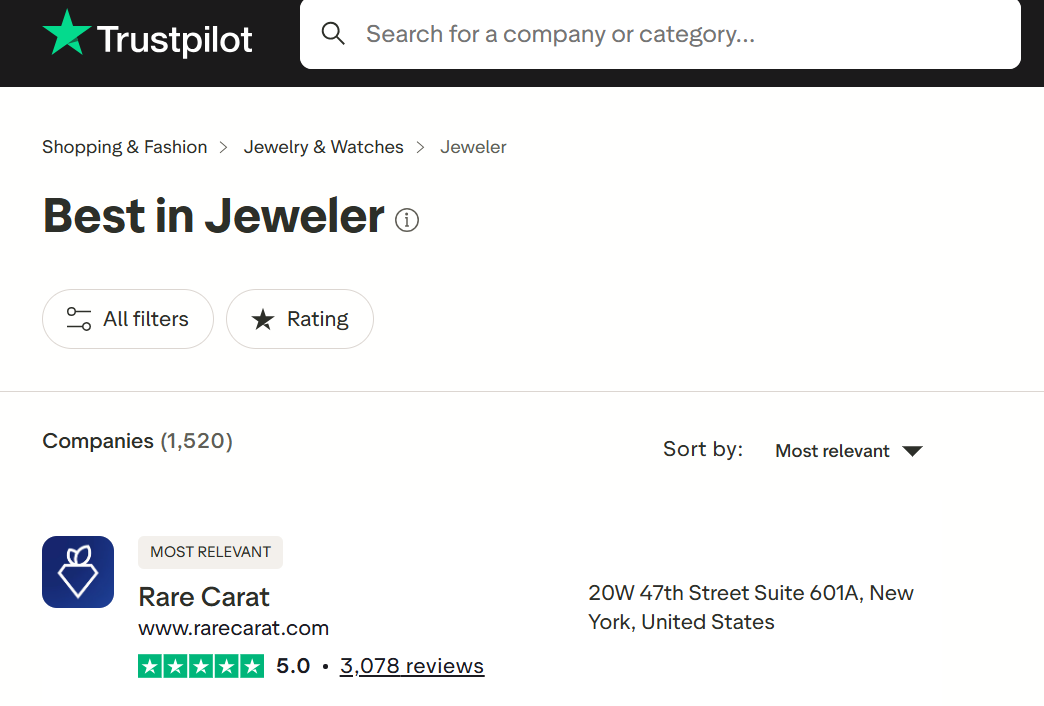
For these efforts, Rare Carat has been rated as Trustpilot’s top-rated online jeweler, with a 5.0/5.0 rating on thousands of verified reviews (3,000+).
10. Why Buy Diamond Jewelry From Rare Carat
At this point, choosing diamond jewelry comes down less to browsing and more to confidence in what you’re buying, how it’s verified, and how flexible the experience feels while you make the decision.
Here’s a clear comparison of how Rare Carat stacks up against a typical online jewelry store:
| Feature | Rare Carat | Typical Online Jewelry Store |
|---|---|---|
| Diamond Selection & Comparison | Thousands of diamonds organized for easy side-by-side evaluation | Limited filtering or static listings |
| Transparency in Listings | Full visibility into specifications, visuals, and grading details | Partial or inconsistent product visibility |
| Customization Options | Flexible control over carat, shape, metal, and setting design | Often limited to preset configurations |
| Quality Checks | Multi-layer inspection before listing and shipping | Primarily relies on supplier-provided information |
| Pricing Experience | Dynamic comparison across similar diamonds for clearer value understanding | Fixed pricing with limited context |
| Customer Policies | 30-day returns, free insured shipping, and full purchase protection | Policies vary and are often more restrictive |
| Customer Feedback | 5.0/5.0 rating on Trustpilot (3,000+ reviews) | Mixed or less centralized review visibility |
The difference shows up in how clearly you can understand what you're buying, not just in what you can buy.
And that clarity matters, especially when every detail (from size to setting) can meaningfully change the final piece.
At Rare Carat, the experience is built to keep those decisions simple, transparent, and fully in your control, so you can focus less on uncertainty and more on choosing a piece that actually feels right.
Ready to Begin Your Search?
If you’re exploring diamond jewelry and want a clearer starting point, you can begin with our quiz, designed to help narrow down styles, budgets, and preferences step by step.
Do I need to know about diamonds before buying jewelry?
What is the difference between lab diamond jewelry and natural diamond jewelry?
What if I’m not sure what style of jewelry suits me?

Natural Diamond Jewelry FAQs